
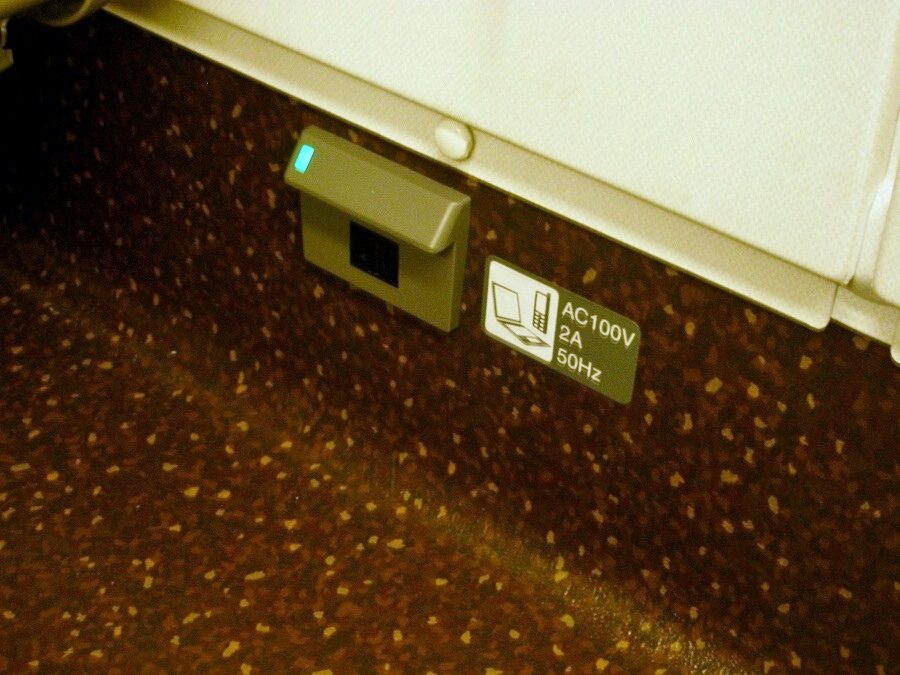
Japan runs on two electrical frequencies. East of a line drawn roughly along the Fuji River in Shizuoka and the Itoigawa valley in Niigata, the mains hum at 50 hertz; west of it, at 60. The split goes back to the 1890s, when Tokyo’s first power company bought German generators and Osaka’s bought American ones, and nobody has paid to undo it since.
Much of the practical side of a trip here works the same way. The country is orderly and easy to read, but the details shift by region and by year: which ATM takes your card, which town still runs on cash, what happens when a phone screams at three in the morning. None of it is hard, and nearly all of it is worth knowing before you board the plane.
Japan is a safe country with a low crime rate, and the risks a visitor actually meets are natural ones: heat, a slip on a mountain path, an earthquake, a typhoon that stops the trains for a day. Plan for those and the rest looks after itself.

Contents
Numbers to know, and one to save
Dial 110 for the police and 119 for fire or an ambulance. Both are free to call from any phone. At sea or on the coast, 118 reaches the Japan Coast Guard. If you cannot make yourself understood, hand the phone to someone nearby, or show them the line JNTO prints on its emergency pages: 救急車を呼んでください (kyukyusha o yonde kudasai, “please call an ambulance”).
The number to save is the Japan Visitor Hotline, run by the Japan National Tourism Organization (JNTO) around the clock, every day of the year, in English, Chinese and Korean. It handles emergencies, disasters and ordinary tourist questions, and it can point you to hospitals that treat patients in your language. It will not act as a three-way interpreter on a call or book an appointment for you. Save the number from JNTO’s site into your phone before you fly.
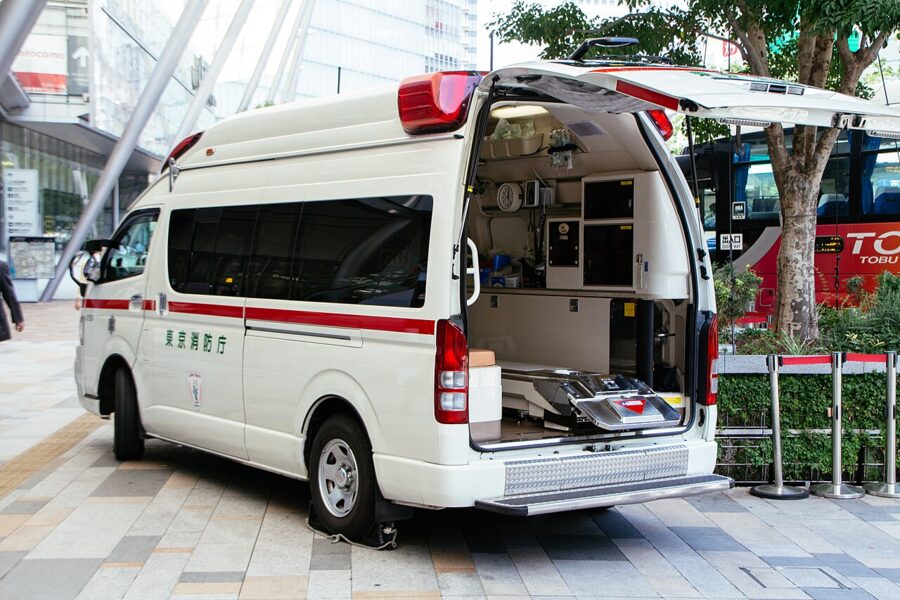

Between those two lies a grey zone: a child with a fever at midnight, a fall that might be a fracture. In Tokyo and a growing number of prefectures, #7119 connects you to nurses and doctors who decide whether you need an ambulance, a night clinic or nothing more than rest. Tokyo’s line runs 24 hours. It works in Japanese, so a visitor without the language is better served by the Visitor Hotline or the hotel front desk.
Seeing a doctor
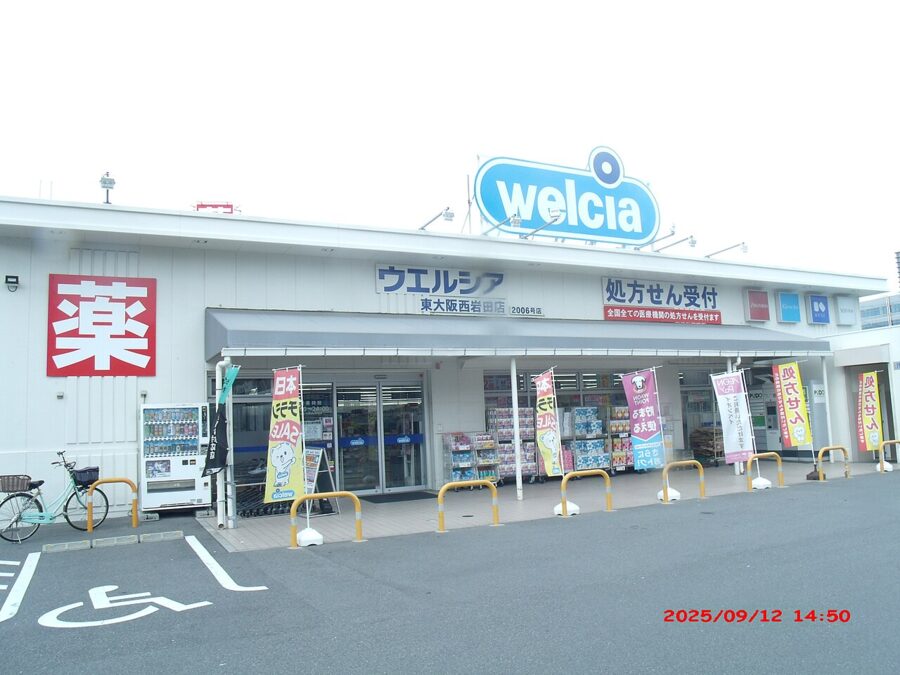
Japanese medicine is excellent, and the system is built around walking in. For a cold, a rash or a stomach upset, a local clinic is the right door, usually without an appointment; for a specialist or a scan, a general hospital; and emergency hospitals take patients around the clock. For anything you would treat at home, a pharmacy or drugstore will do, though some medicines cannot be sold when the pharmacist is off duty.
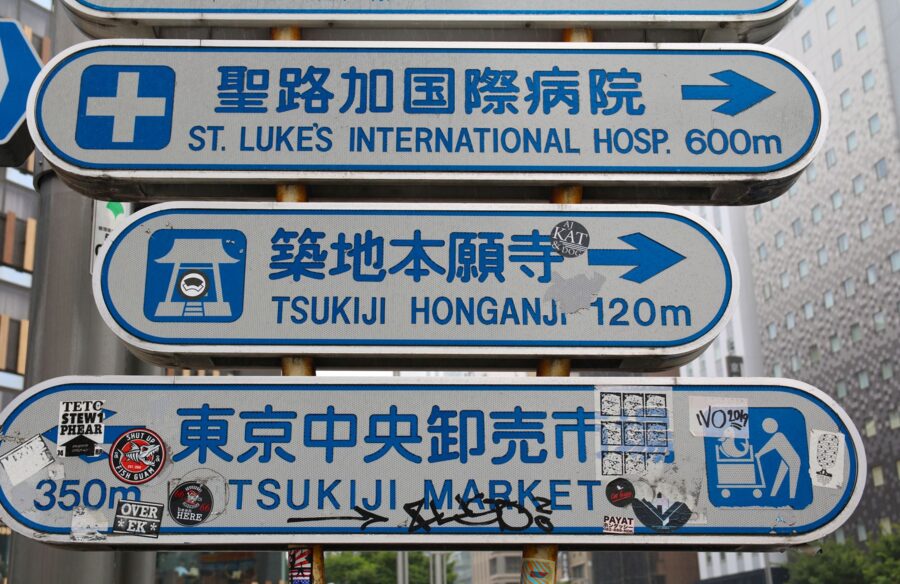
The tool to bookmark is JNTO’s medical institution search. You filter by area, language and department, from your location or by region, and it returns up to 30 hospitals and clinics sorted by straight-line distance. Category 1 hospitals can admit foreign emergency patients and Category 2 covers clinics and dentists that see them, while the JMIP mark is a third-party certification for hospitals set up to treat visitors. Call ahead where you can, because a listed place may still refer you on.
Bring your passport and insurance details. Reception may ask for an estimate before you are seen, you pay at the end of each visit, and medicines are paid for separately at the pharmacy. Large hospitals take credit cards, but clinics as a rule take cash only. JNTO publishes a personal medical information sheet and a symptom sheet as PDFs; fill in the first before you travel.
Insurance, and what happens without it
Short-term visitors are outside the national health scheme and pay the full cost, so travel insurance with medical cover is the one thing I would not skip. JNTO’s own examples, from the assistance company Tokio Marine, run to ¥7.5 million (about £36,000 / $47,000) for a cycling collision with broken ribs and a collapsed lung, and ¥10 million (about £48,000 / $63,000) for a heart attack with 45 days in hospital and a flight home. A policy with a cashless arrangement means the insurer pays the hospital directly; check your insurer’s terms before you need them.
If you arrived without cover, JNTO lists a policy you can buy online only once you are in Japan, with up to ¥10 million of medical cover, interpretation and help finding a hospital. Unpaid bills have consequences: JNTO warns that visitors who leave without paying may be refused entry next time. As of November 2026, holding insurance is not a condition of entry, though the government has been weighing a requirement for some time.
Check your medicines before you pack
This rule catches more careful people than any other. The Ministry of Health, Labour and Welfare (MHLW) lets you bring up to a one-month supply of prescription medicine and up to two months of ordinary over-the-counter medicine without paperwork. Creams and other external-use medicines are limited to 24 of each item, and injectables to a month’s supply of pre-filled syringes or self-injection kits. Above those amounts you need an import confirmation (Yunyu Kakunin-sho), applied for online through the MHLW and issued before you leave home, to show at customs.

Controlled drugs go through the MHLW’s Narcotics Control Department. Narcotics such as morphine, oxycodone and codeine need a permit before you travel, and so do what Japan calls stimulants’ raw materials, which include lisdexamfetamine (sold as Vyvanse) and pseudoephedrine, the decongestant in many cold tablets abroad. Amphetamine and dexamphetamine cannot be brought in at all, even on prescription. That rules out Adderall.
Psychotropics such as zolpidem, alprazolam, diazepam and methylphenidate are allowed without a permit up to the quantities in the department’s table; above that you need a doctor’s certificate. Permit applications should go in at least 14 days before travel, with a doctor’s letter dated within three months. Over the New Year holidays the deadlines come early: for arrival between 21 December and 4 January, apply by 7 December. You must carry the medicine yourself; it cannot be posted on.
Cannabis is treated like any other illegal drug, prescribed or not, and Japan’s drug laws carry prison sentences for small amounts. Check CBD products for trace THC before you pack them, or leave them at home.
Money: cards, cash and the 7-Eleven ATM
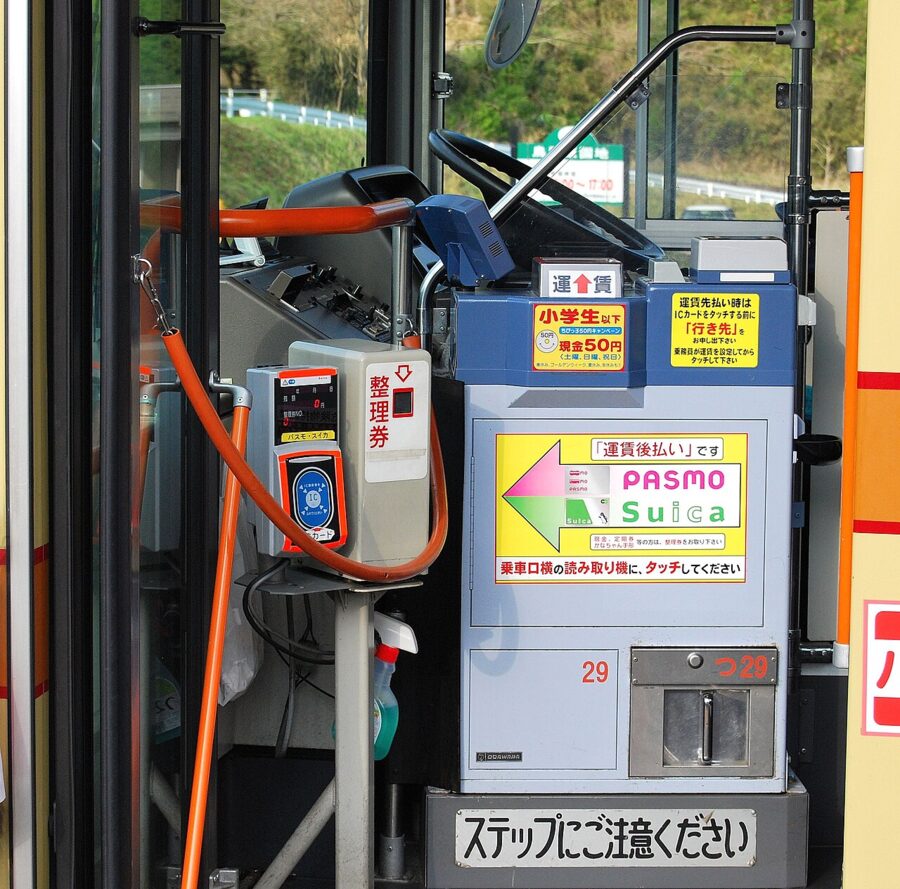
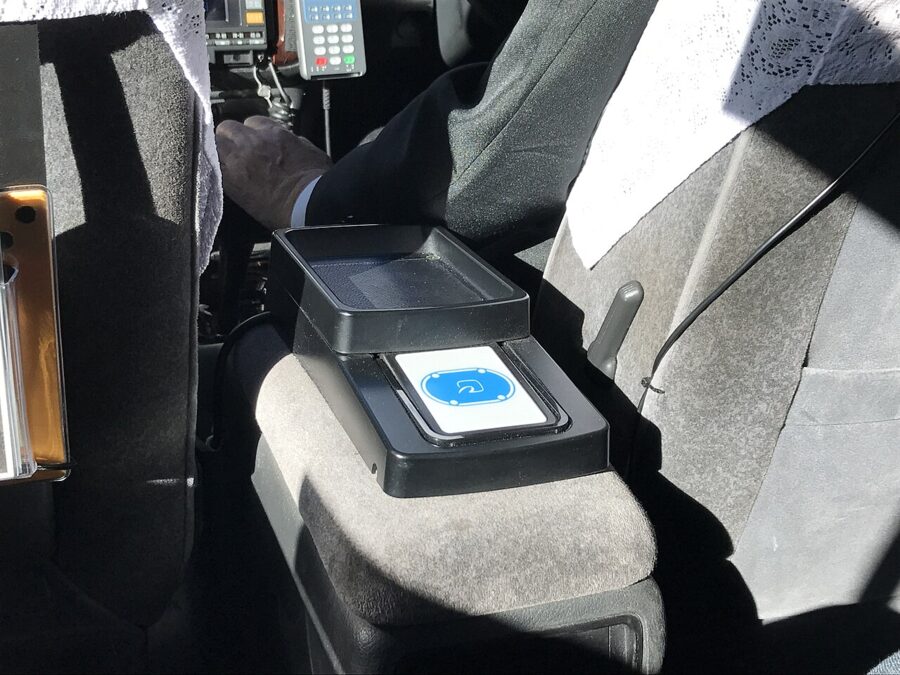
The yen is the only currency anyone takes, but Japan is no longer the cash-only country of older guidebooks. By the government’s measure more than 40 percent of consumer spending was already cashless in 2024, and in cities you can pay by card or phone almost everywhere. A rechargeable transport card such as Suica, which also lives in an iPhone or Android wallet, covers trains, buses, vending machines and konbini.
Cash still matters once you leave the main streets. Small family restaurants, shrine offices, temple booths, market stalls and rural buses often take cash only, and I would never set off into the countryside of Kyoto Prefecture or Tohoku without ¥10,000 (about £48 / $63) in my wallet. There is no tipping anywhere, and since 2021 shops must show prices with tax included, so the larger figure on a tag is what you pay.
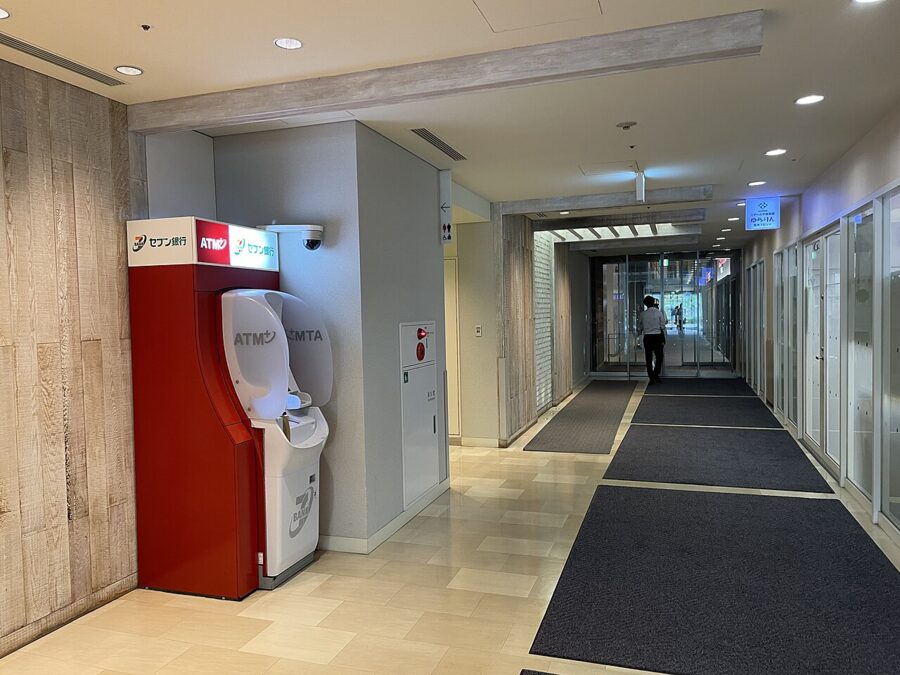
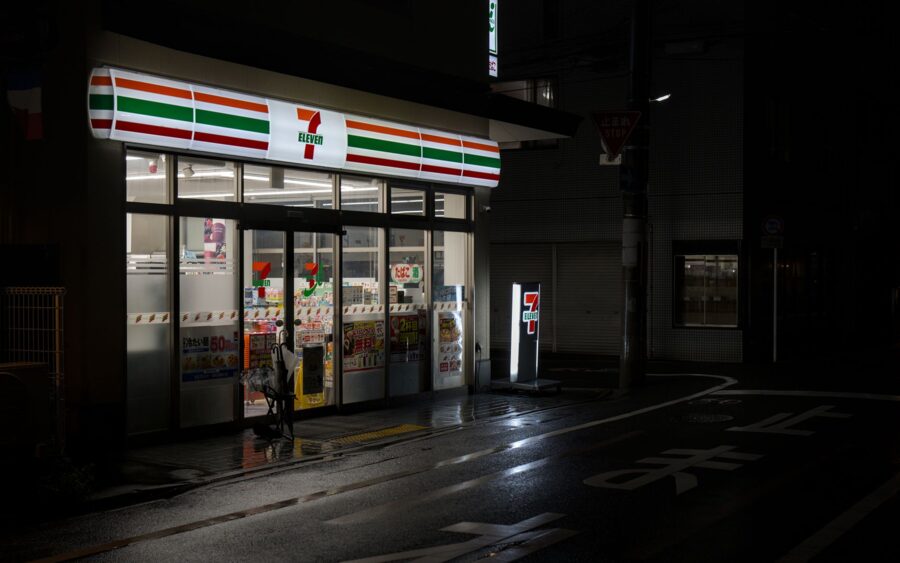
For cash, the Seven Bank ATMs in 7-Eleven stores are the dependable choice. They accept Visa, Mastercard, Maestro, Cirrus, Plus, UnionPay, American Express, JCB, Discover and Diners Club, though not every card bearing those marks will work. Visa and Mastercard withdrawals run around the clock, the menu comes in 12 languages, and the limit is ¥100,000 (about £475 / $625) per withdrawal, or ¥30,000 (about £145 / $190) if your card only has a magnetic stripe. Seven Bank says its fees for foreign cards vary by brand, and your own bank may add its own.
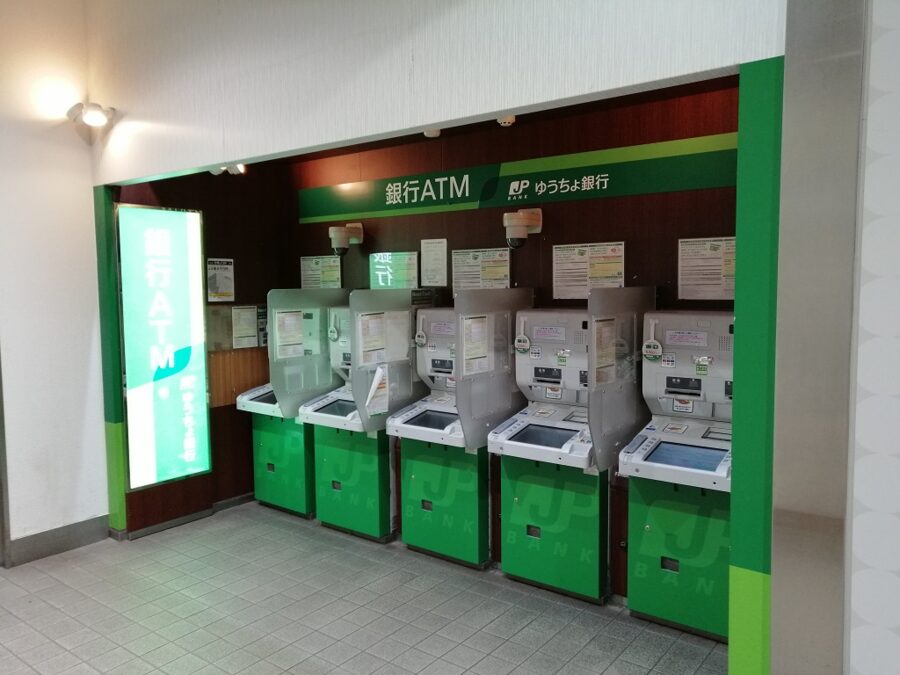

Japan Post Bank ATMs take most of the same cards, with a limit of ¥50,000 (about £240 / $315) per withdrawal and a charge of ¥220 (about £1 / $1.40) on some foreign cards. Machines at post offices keep shorter hours: 7am to 11pm Monday to Saturday and 7am to 9pm on Sundays and holidays.

Tax-free shopping since November 2026
Tax-free shopping changed on 1 November 2026. Shops used to take the consumption tax off at the till; under the new refund method you pay the full price and get the tax back after you leave. The threshold is unchanged at ¥5,000 (about £24 / $31) before tax per store per day, and the old sealed bags for food and cosmetics are gone. Anything eaten, drunk or used up in Japan is not refundable.
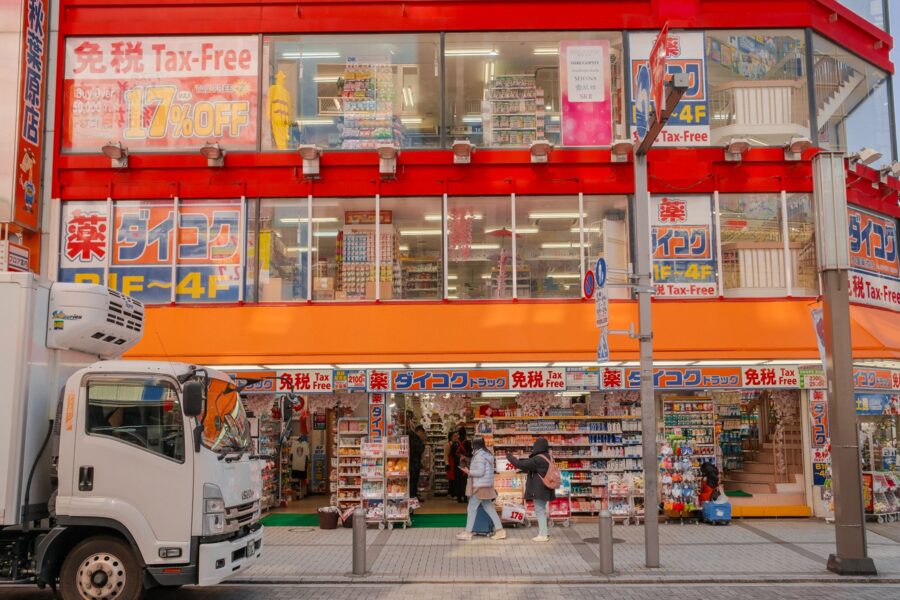
At departure you show your passport at a tax-free kiosk at the airport or port, within 90 days of the purchase, with the goods on you: do it before you check your bags. A green result means done; a red one sends you to customs for an inspection. At Narita, Haneda, Kansai, Chubu, Fukuoka, New Chitose and Naha you can complete it through Visit Japan Web on the dedicated Wi-Fi instead. Confirmation works receipt by receipt, so one missing item voids the whole receipt, and the shop then pays the refund by its own method.
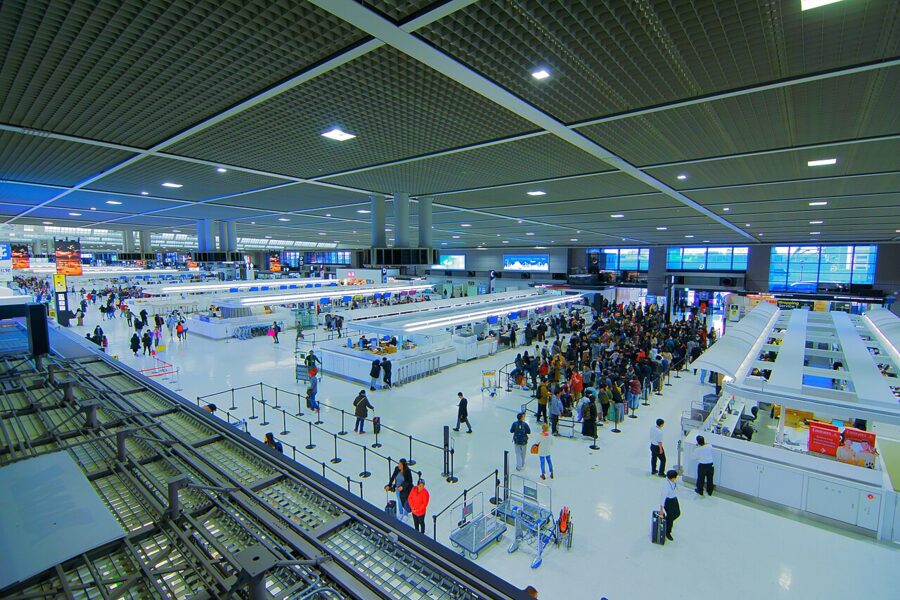

The departure tax rose too. Since 1 July 2026 the International Tourist Tax is ¥3,000 (about £14 / $19) per departure, up from ¥1,000 (about £5 / $6), with children under two exempt. It is normally added to the air or ferry fare, so you will see it on the booking rather than at the airport.
Staying connected
An eSIM is the simplest choice: bought online, installed before you fly, working when the plane lands, provided your phone is eSIM-capable and not tied to one carrier. A physical SIM does the same for older phones, and a pocket Wi-Fi router, rented and returned at the airport, suits a family sharing one connection. Nearly all visitor plans are data-only, so you get no Japanese phone number. That matters if you lose something, because lost-property offices call back on Japanese numbers.
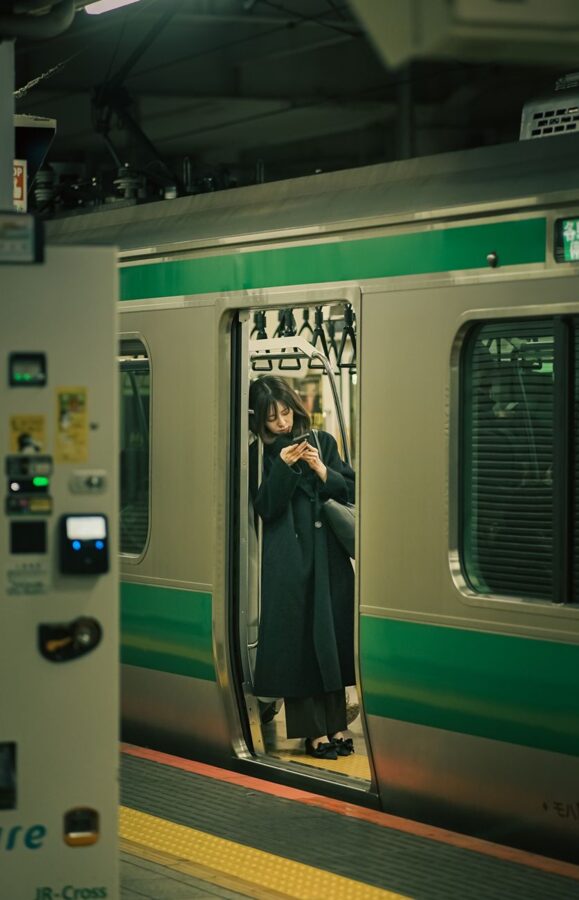
Coverage is excellent in towns and along the rail lines. It thins out in the mountains, on remote coast and on hiking trails, which is where an offline map earns its keep, so download maps for your route before you go, with a translation app that reads signs through the camera.
Plugs, voltage and the hertz line
Japanese sockets take two flat parallel pins, the same shape as North American plugs, and deliver 100 volts. Many have no hole for an earth pin, so a three-pin plug needs an adapter even if it looks as though it fits. British, European and Australian plugs need an adapter in any case, while chargers marked 100-240V work on any socket.
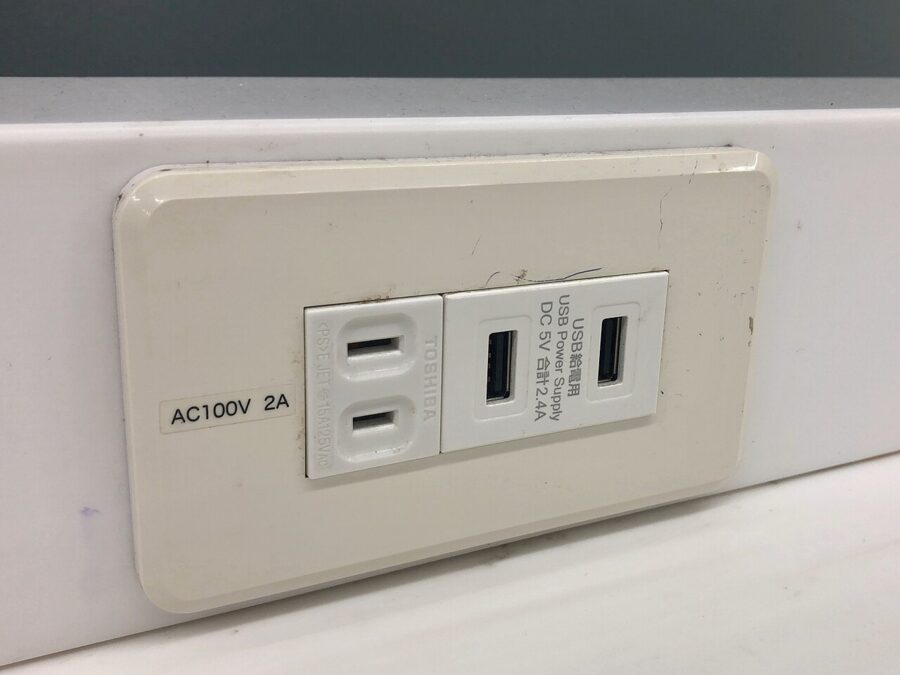

The 50 and 60 hertz split rarely affects a visitor’s gadgets. It matters for single-voltage hair straighteners and the like, which may run hot or not at all at 100 volts; leave them at home and use the hotel’s. Tokyo, Tohoku and Hokkaido sit on the 50-hertz side. Nagoya, Kyoto, Osaka and everything west run at 60.
When the ground shakes
Most visitors feel at least a small earthquake. Install the Safety Tips app from the Japan Tourism Agency before you arrive. It sends earthquake early warnings, tsunami warnings and weather warnings in 15 languages, and it carries an evacuation flowchart and phrases for asking people around you what is happening.
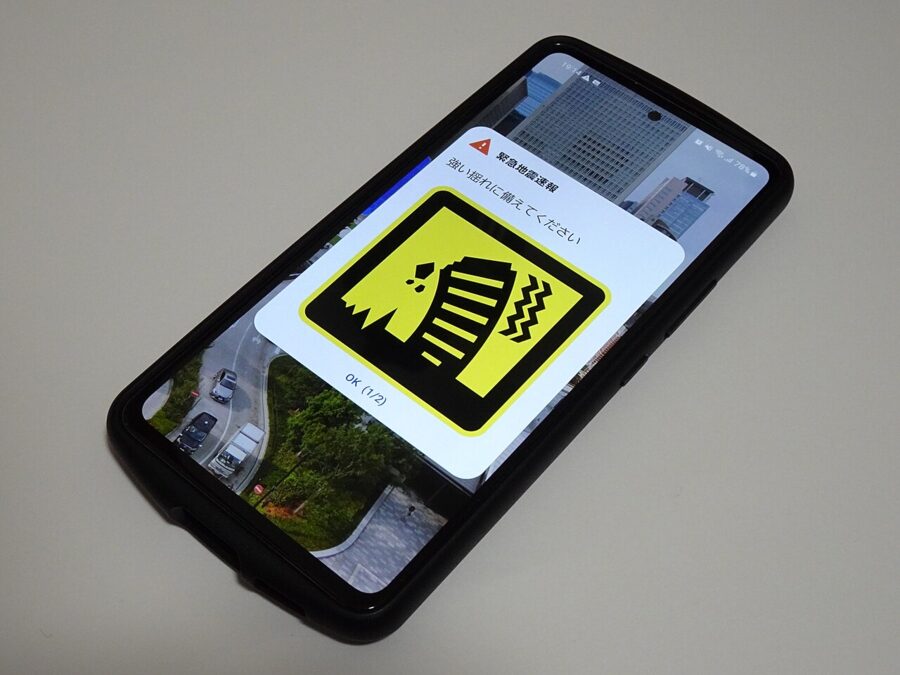

When it shakes, protect your head first: get under a sturdy table, or crouch against an inside wall away from glass, shelves and light fittings. Do not run outside while the building is moving, because the danger in a city is what falls from above. On a train, hold on and stay put until the crew says it is safe to move. Once it stops, check for gas and fire, put on shoes, and listen to staff and announcements.
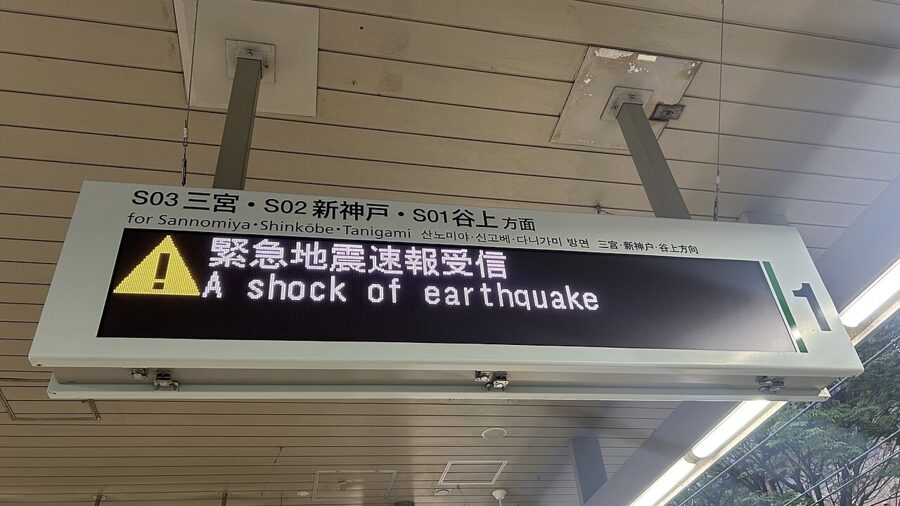
Two newer kinds of warning are worth understanding, because both have been issued in the last few years. In August 2024, after a magnitude 7.1 quake off Hyuganada in Kyushu, the Japan Meteorological Agency issued its first Nankai Trough advisory, asking people in the regions facing the Nankai Trough to stay ready for a week; it ended on 15 August. In December 2025 a magnitude 7.5 quake off eastern Aomori shook Hachinohe at upper 6 on the Japanese scale, and the agency issued the first-ever advisory for a follow-up quake off Hokkaido and Sanriku, lifted on 16 December.

Neither advisory is a prediction. Each says the chance of a large quake is higher than usual for about a week, and asks people in the area to be ready to evacuate at once. If one is in force during your trip, I would keep the plans, sleep with shoes and a torch by the bed, and learn the way to high ground from wherever I was staying.
Tsunami, typhoons, snow and heat
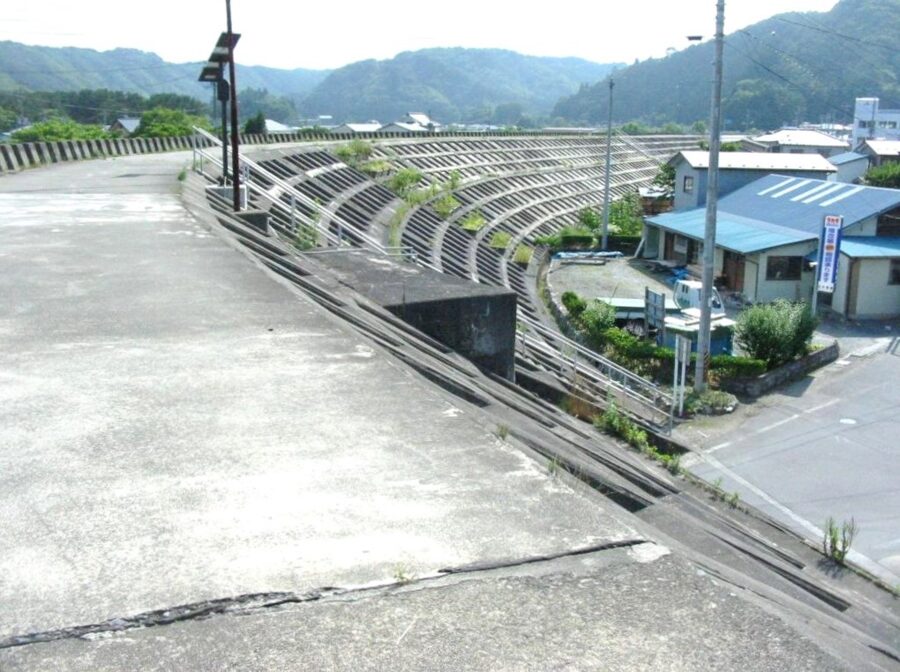
On the coast, a long or violent shake is itself the warning. Head for high ground or an upper floor of a designated building straight away, without waiting for a siren, and stay there until the warning is lifted, because tsunami come in several waves. Coastal towns post the height of the ground above sea level on lamp posts and walls, and mark the buildings and towers you can climb.
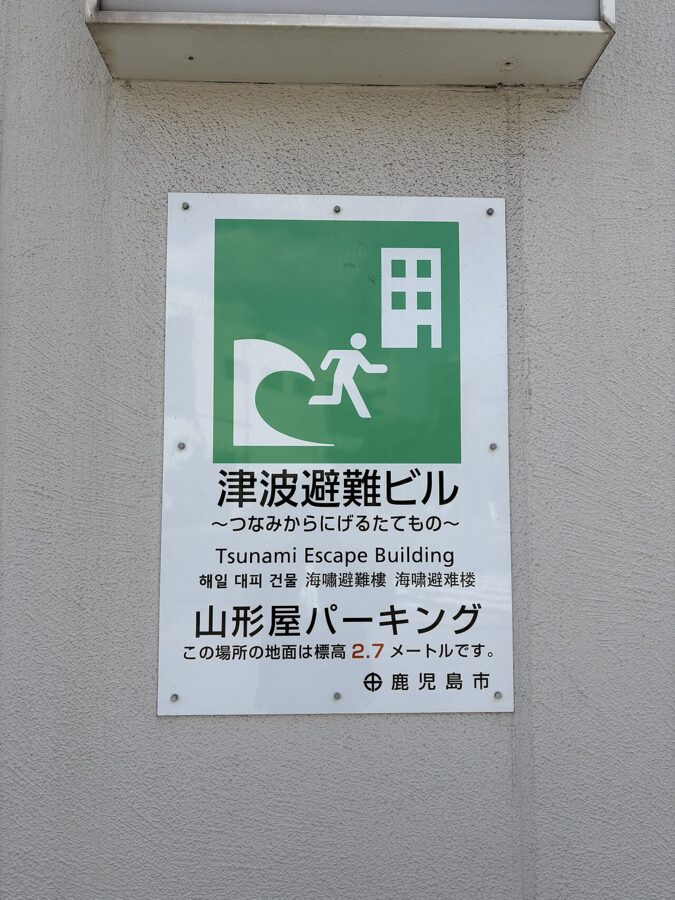

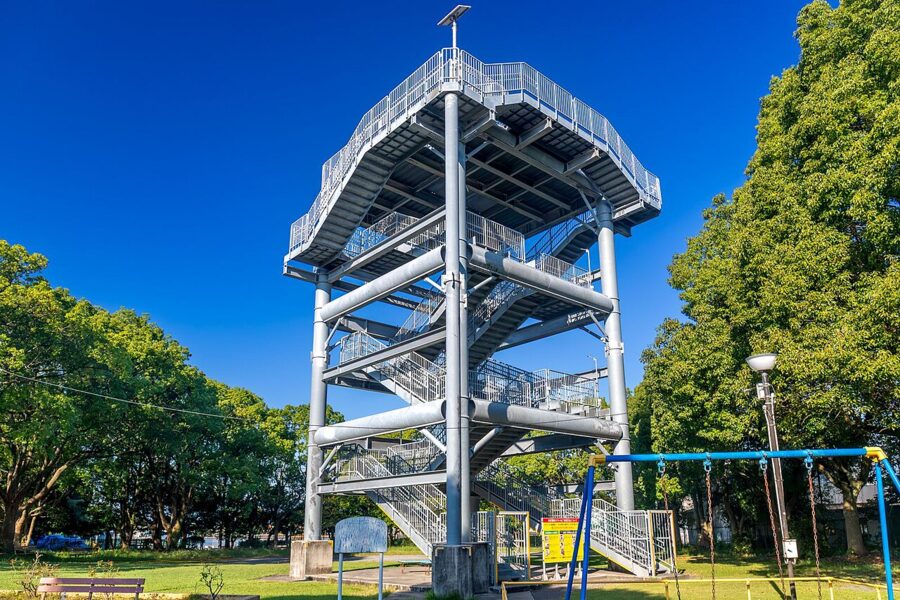

Nowhere takes this more seriously than the Sanriku coast of Iwate, where towns have been rebuilding against tsunami for more than a century. If you drive that coast, watch for the signs giving the height above sea level and the way to the nearest refuge; they tell you how far you would need to go.

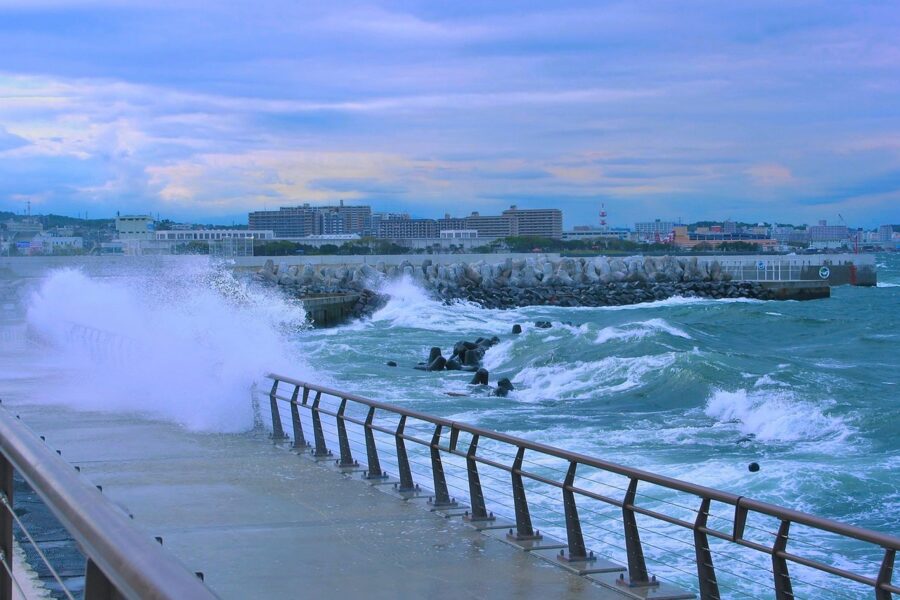
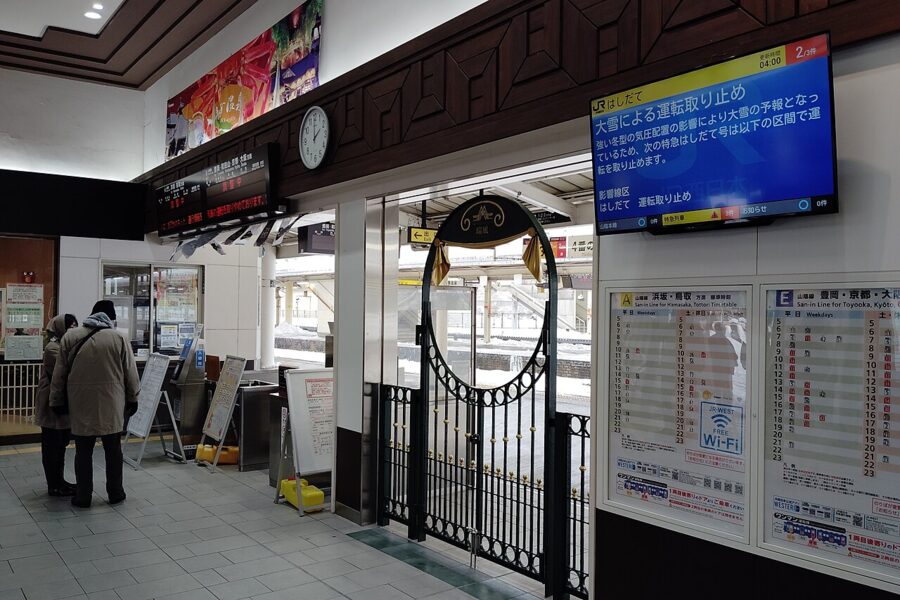
Typhoons are most frequent in August and September and reach Okinawa and Kyushu first. They are forecast days ahead, and the railways announce planned suspensions in advance rather than strand trains. Heavy snow does the same on the Sea of Japan side in winter. If a typhoon is due, move your long journey a day, stock up at the konbini, and stay in.

Summer heat is the danger most visitors underestimate. The Ministry of the Environment and the Meteorological Agency issue heatstroke alerts by prefecture, and in 2026 they ran from 22 April to 21 October, with a special alert at the top of the scale. On an alert day, do your walking early, drink before you are thirsty, and use the air-conditioned stations and shops as stopping points.
Bears in Tohoku
One risk is new enough that older guides miss it. In the year to March 2026, Asian black bears injured 238 people in Japan and killed 13, both records, according to the Ministry of the Environment’s preliminary figures. Tohoku accounted for 158 of those injuries, with Akita (67) and Iwate (40) the worst hit, and sightings nationwide passed 50,000. Bears now come into villages and town edges in autumn as well as the hills.
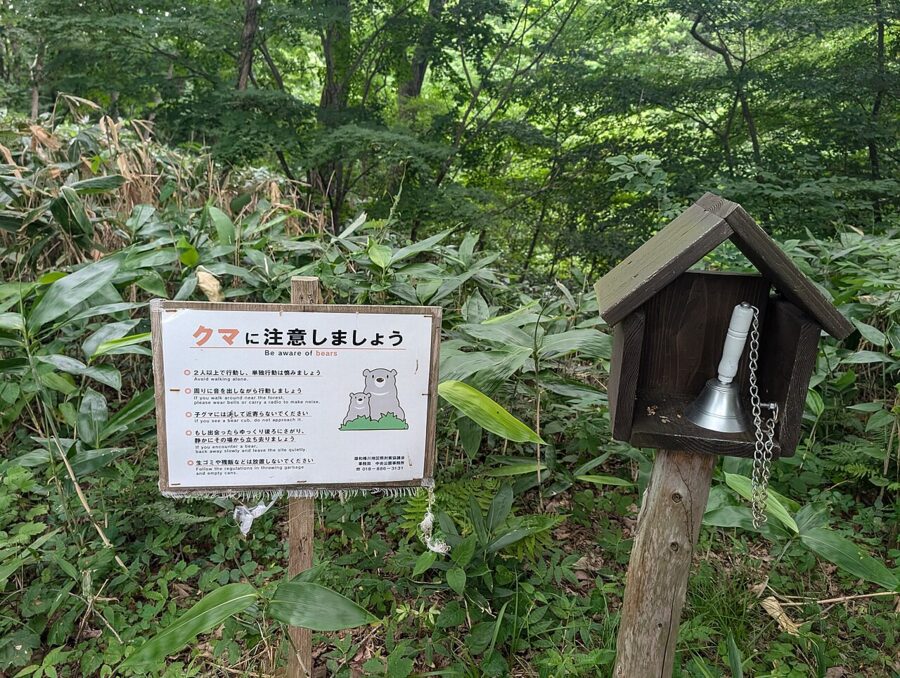

For a visitor this means habits rather than a change of plan. Heed closed trails and the sighting notices towns post, make noise on forest paths, avoid walking alone at dawn and dusk, and never leave food out.
Rules that catch people out
Carry your passport: foreign visitors must have it on them, and while the police rarely ask, they are entitled to. Most mistakes visitors make are about custom rather than law, and bathing and queueing belong with the rest of Japanese culture. A handful of rules, though, can cost you money.
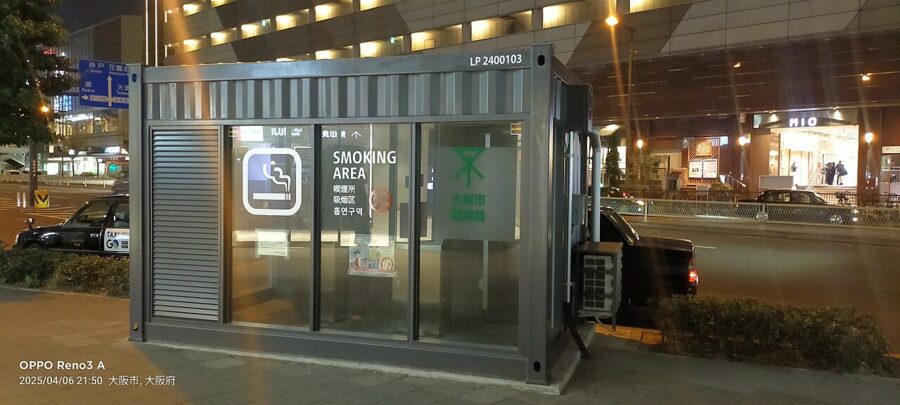
Smoking is banned indoors in most restaurants and bars except in designated rooms, and smoking while walking is banned in much of urban Japan. Osaka went furthest: since 27 January 2025 smoking has been banned on every street in the city, with a ¥1,000 (about £5 / $6) on-the-spot fine. Use the booths and marked smoking areas.

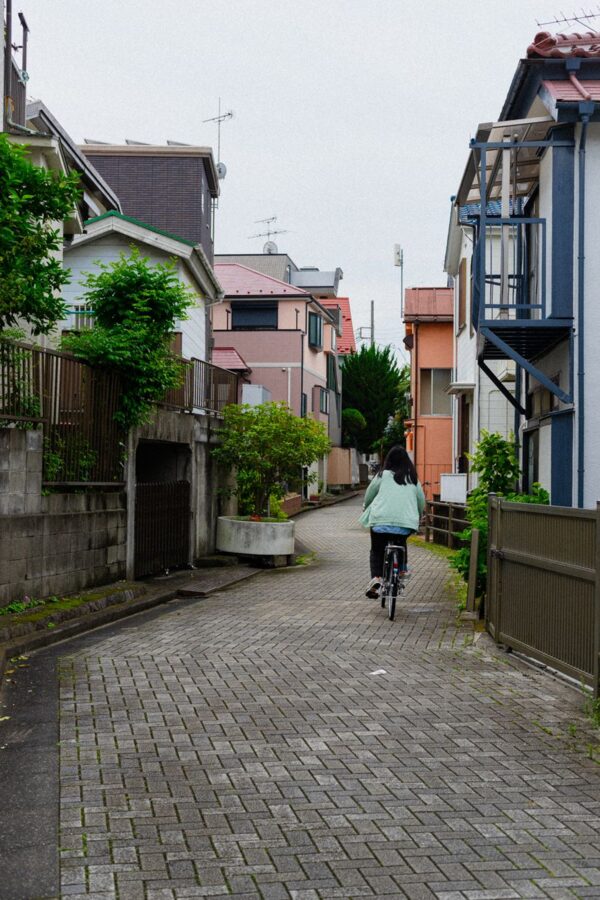
Cyclists, including visitors on hired bikes, have faced on-the-spot fines since 1 April 2026, when the police extended the blue-ticket system to bicycles for riders aged 16 and over. Riding while using a phone costs ¥12,000 (about £57 / $75), and an officer can issue the ticket immediately. Ignoring a red light is ¥6,000 (about £29 / $38) and cycling with an umbrella ¥5,000.
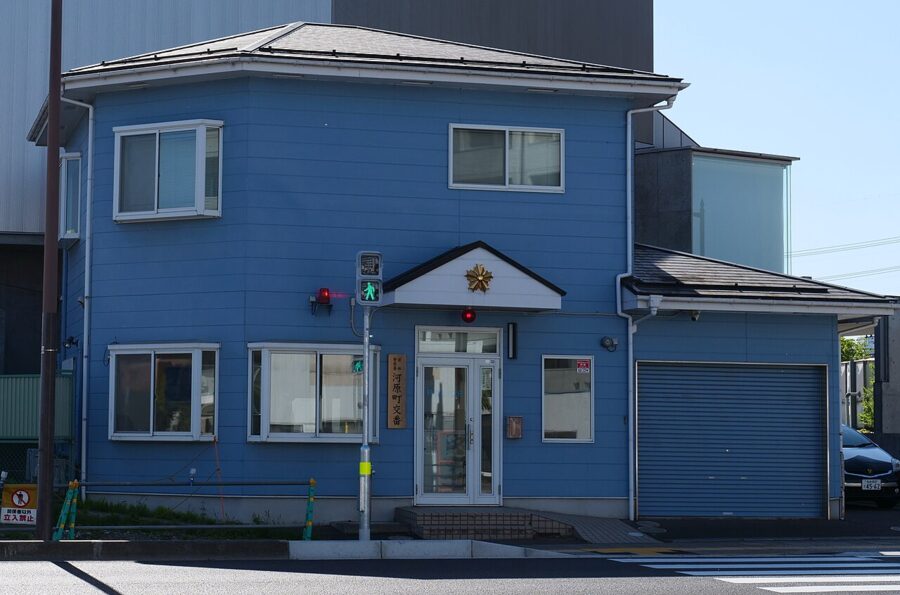
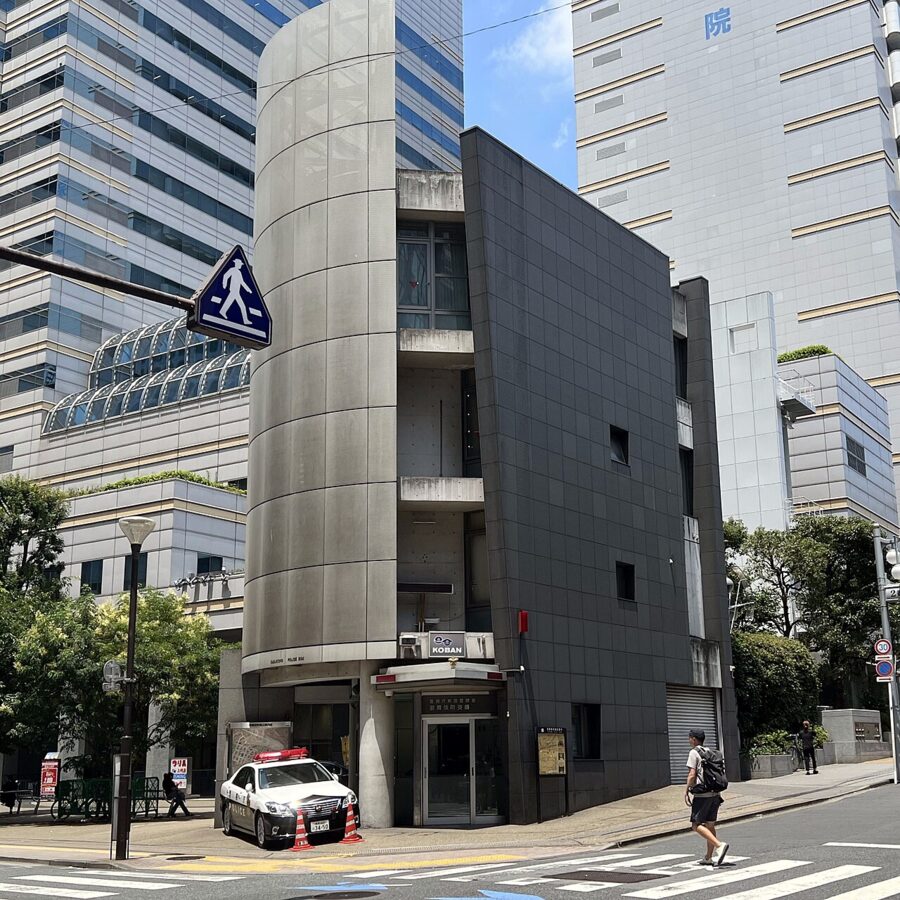
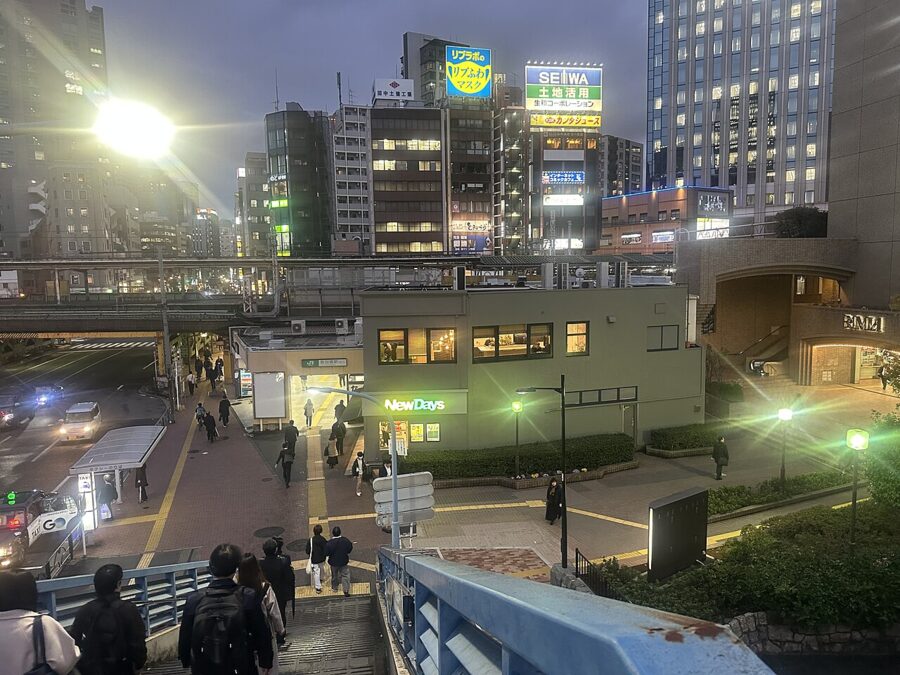
Lose something and the odds are good. Report it at the station office, the shop or the nearest koban. In Tokyo, unclaimed finds go to the Metropolitan Police Lost and Found Center near Iidabashi Station, open weekdays from 8.30am to 4.30pm, which lists them online for three months. It cannot take reports from overseas and needs a Japanese phone number to call you, so give your hotel’s number and report before you fly home.

Sort the insurance, the medicines and the apps at home, and the rest you can learn on the way. The Tohoku Shinkansen leaves Tokyo on the 50-hertz side of the line and stays there all the way to Aomori, and the routes into Tohoku start there.