
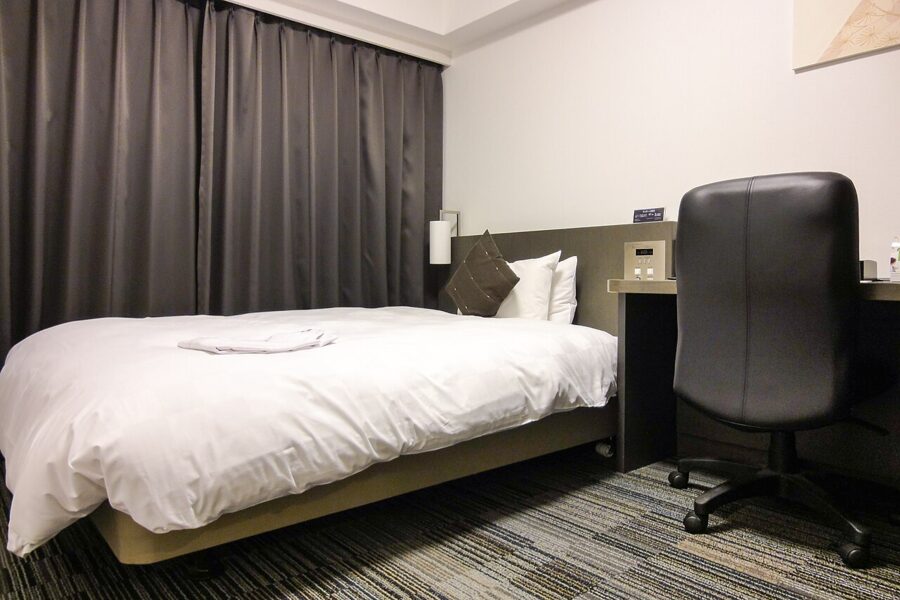
On an average night in March 2026, Japan’s business hotels were 74 per cent full and its ryokan 42 per cent, according to the Japan Tourism Agency’s lodging survey. That gap is the most useful fact about where to stay in Japan. The plain station hotel that suits almost everyone is the room that sells out first, while the inn with tatami floors and a hot-spring bath often has space if you can reach it.
Japan has more kinds of bed than most countries: the business hotel, the city hotel, the ryokan inn with dinner in your room, the family-run minshuku, the capsule, the hostel, the rented townhouse and the temple where a monk wakes you for the morning service. Each has its own price logic and its own rules about arriving and leaving. I would mix at least three on any trip longer than a week.
Contents
The kinds of accommodation, and what each costs
The clearest guide to room prices comes from the listed hotel chains’ results. Tokyo Shoko Research put the average room rate at nine business-hotel brands at ¥14,463 (about £70 / $91) for the year to March 2026, up 8.9 per cent and more than double the 2021 figure. City-hotel brands averaged about ¥25,000 (about £120 / $157). Both are per room and national averages: a Tokyo or Kyoto weekend costs more, a provincial weeknight less.
Business hotels
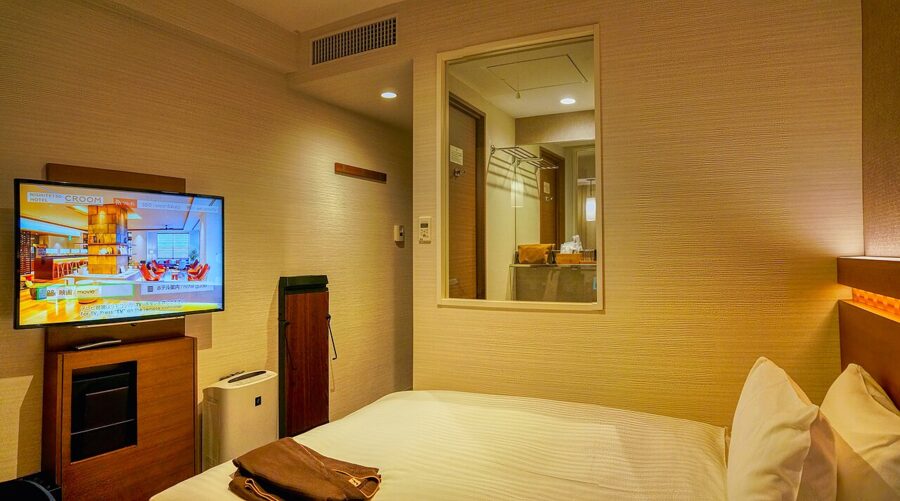
The business hotel (ビジネスホテル) is the default Japanese room, built near stations for people travelling on company money. Expect a single of about 11 to 13 square metres, a moulded unit bathroom, a kettle, a fridge, slippers, a cotton robe and, at most chains, a buffet breakfast. Toyoko Inn, one of the largest chains, lists check-in from 15:00 and check-out at 10:00 at its branches, and that pattern holds for most of the sector.
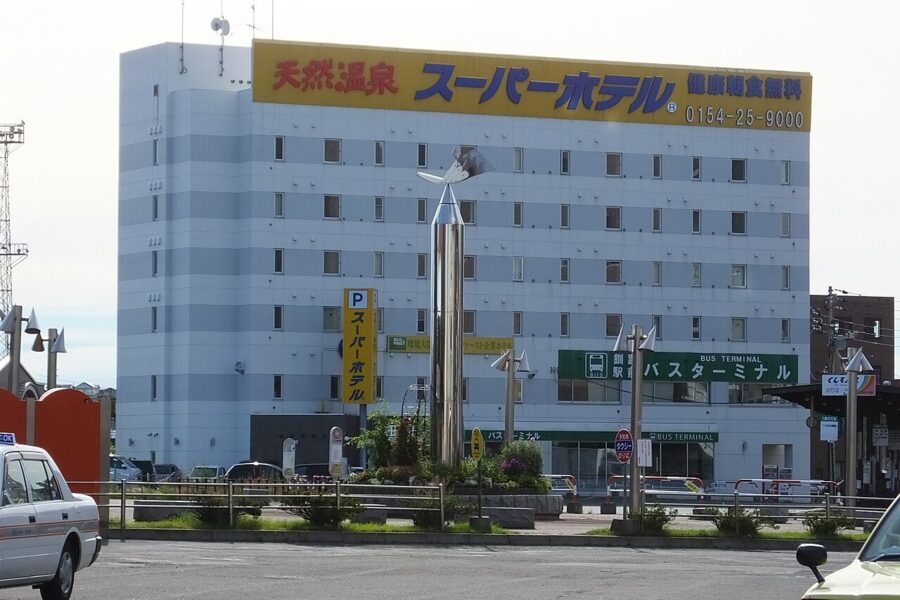
Some chains now build a large shared bath on the top floor, and a few sit on their own hot spring. They are the best value in the country for one person or a couple who travel light, and the worst for a family of four, since most rooms sleep two at most. Book early: they are the rooms that fill.

City hotels and international brands
The city hotel (シティホテル) is the full-service tower: bigger rooms, a concierge, several restaurants and staff who speak English as a matter of course. The domestic groups and the international brands sit side by side in Marunouchi, Shinjuku and Umeda. At an average of about ¥25,000 a room they cost nearly twice a business hotel. Pay it when you need a room for three, a late check-out or a desk that can arrange things in Japanese for you.

Ryokan
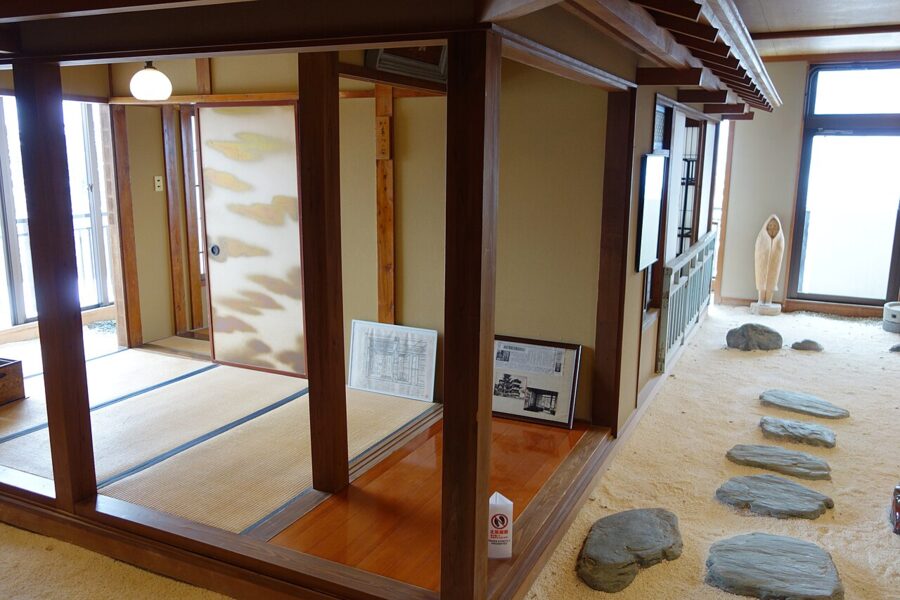
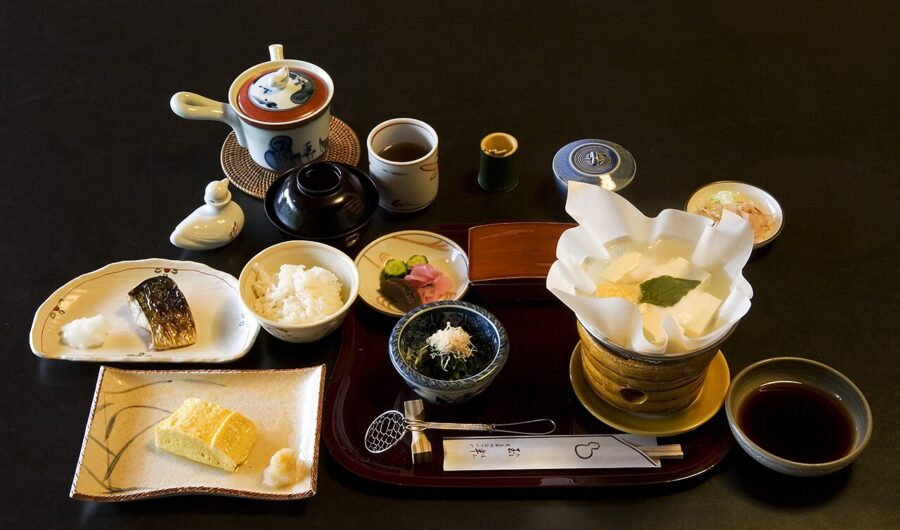
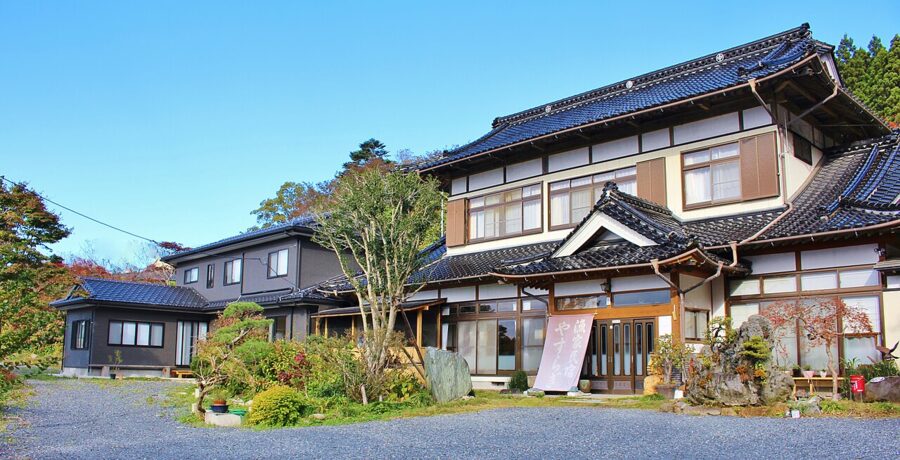
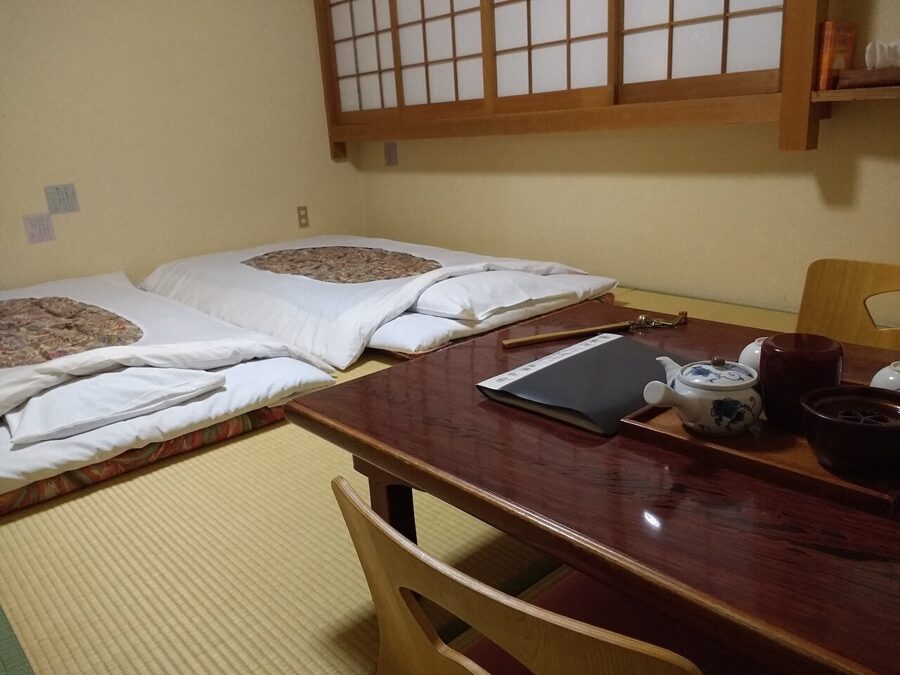
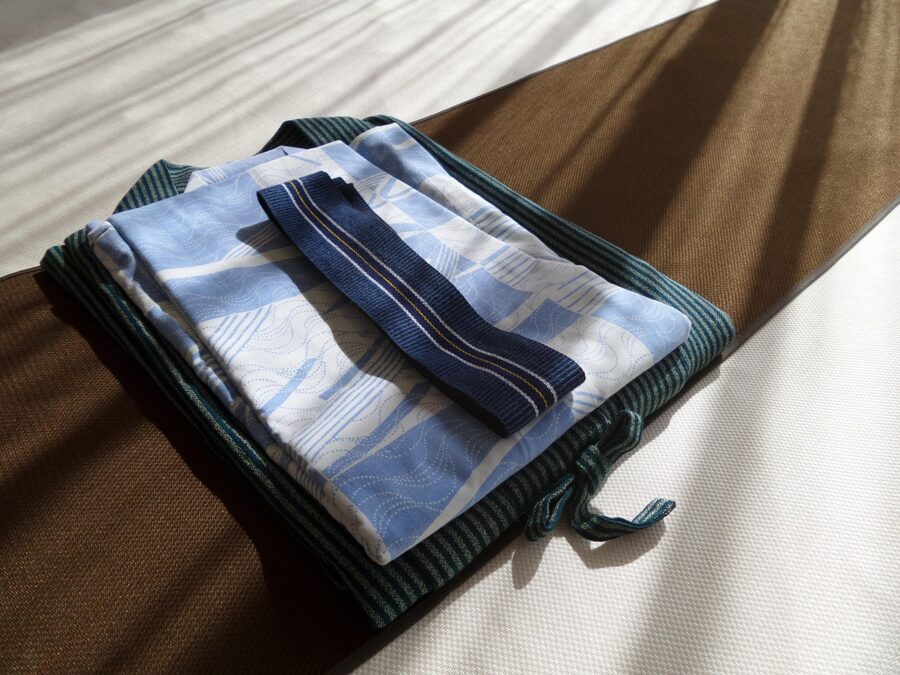
The ryokan (旅館) is a Japanese inn, and its price works differently: per person, usually with dinner and breakfast included. You arrive in the afternoon, change into the cotton yukata laid out for you, bathe before dinner, and find futons spread on the mats when you come back. Dinner is a run of small seasonal courses, often served in your room or a private dining room, at a time you agree on arrival.
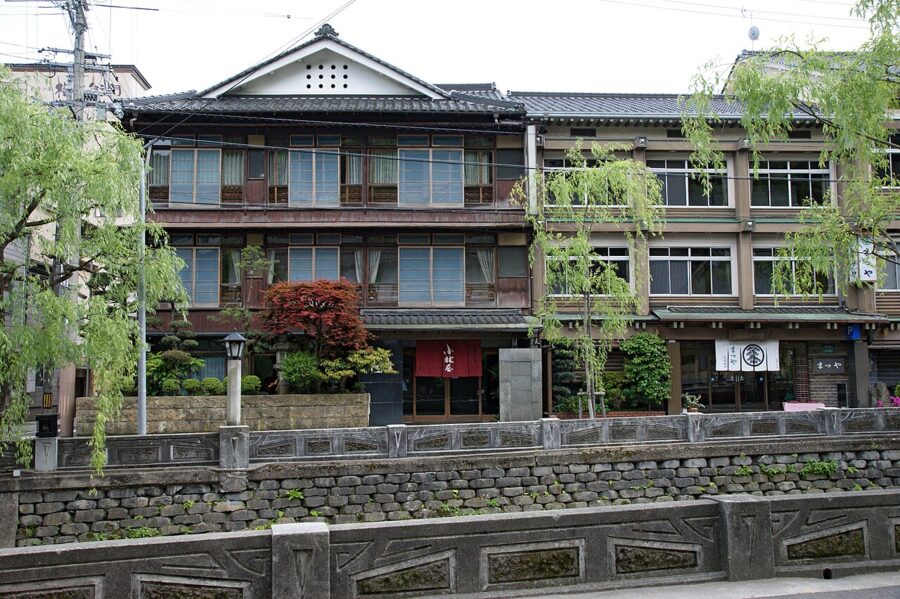
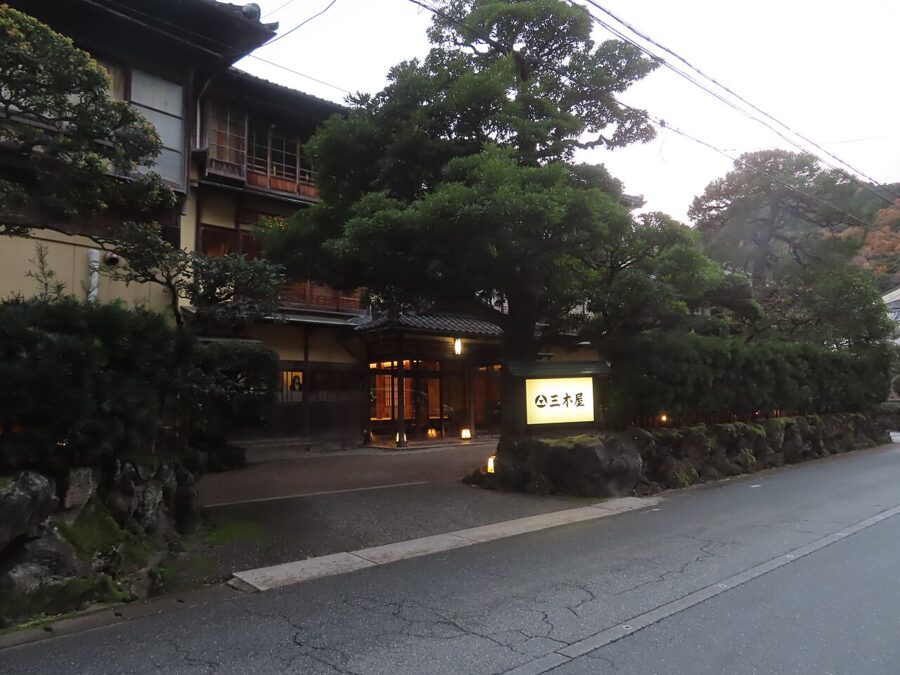
At the top end the bill is substantial: Mikiya, a wooden inn at Kinosaki Onsen in Hyogo Prefecture registered as a cultural property, was selling dinner-and-breakfast stays from about ¥32,000 (about £155 / $200) per person in an eight-mat room in late 2026. Simpler country inns charge less, and a city ryokan sold room-only can come close to a business hotel.

Two things catch people out. Dinner is timed, so a ryokan expects you by late afternoon, and arriving at 20:00 can mean no meal at all. And the large bath is shared and taken naked, after washing at the taps; the manners are simple, but tattoos are still refused at many inns, so ask before you book or choose a room with its own bath.


Minshuku
The minshuku (民宿) is the ryokan’s country cousin: a family house with a few Japanese-style rooms, shared bathrooms and home cooking, often in a fishing village, a mountain valley or a ski area. You lay out your own futon, eat with the other guests and are expected back by the time the family goes to bed. Prices are per person and usually well below a ryokan, though I could not find a current national figure worth quoting.
They are also where English runs out, so book through a regional tourist association or a Japanese site rather than turning up.

Capsule hotels
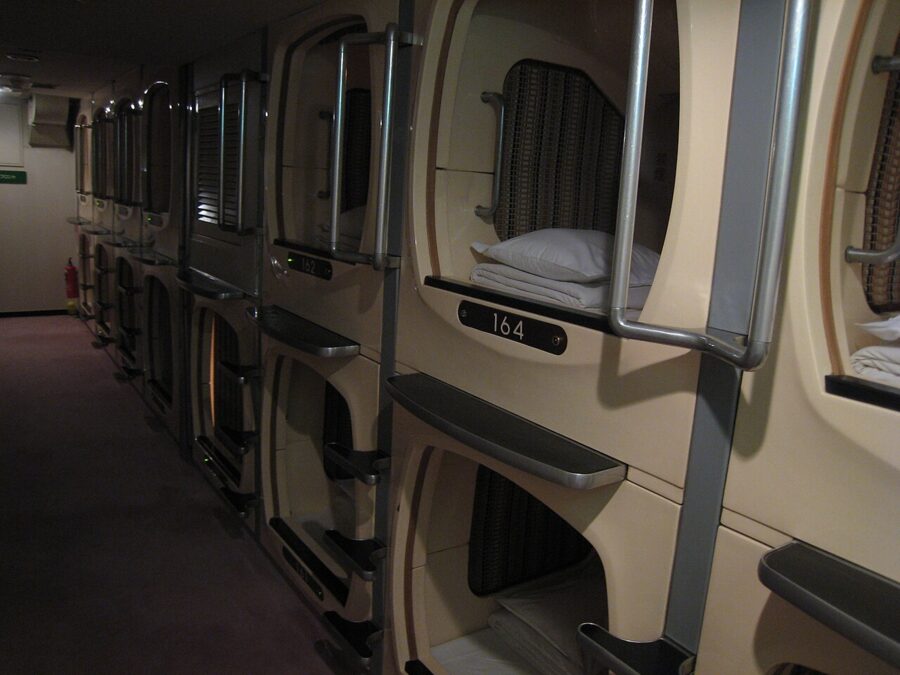
A capsule hotel rents you a fibreglass pod about the size of a single bed, a locker, and the use of a shared bath and lounge. In central Tokyo, capsules were advertised from about ¥4,000 (about £19 / $25) a night in 2026, with weekend and holiday surcharges. Many are still men only or keep women on a separate locked floor, and many ask you to clear out of the pod each morning, even if you are staying another night.
I would use one for a single night: the missed last train, the early flight. For a week, the locker-room routine wears thin.
Hostels and guesthouses
Japanese hostels run on the international model, with dorm beds, private twins and a kitchen, and they are usually spotless. Watch the reception hours: K’s House Tokyo Oasis in Asakusa, for example, lists reception from 9:00 to 19:00 and check-in from 15:00 to 19:00. A late flight and a hostel bed are a poor match unless you have arranged it in writing.
Machiya rentals
Kyoto’s machiya (町家) are the wooden merchant townhouses of the old city, narrow to the street and running deep behind a lattice front. Many have been restored and let by the night as whole houses, with an earth-floored passage, a tiny garden and a cypress bath. For a family or a group of four they can cost less per head than two hotel rooms, and they give you a street address in a neighbourhood instead of a corridor.
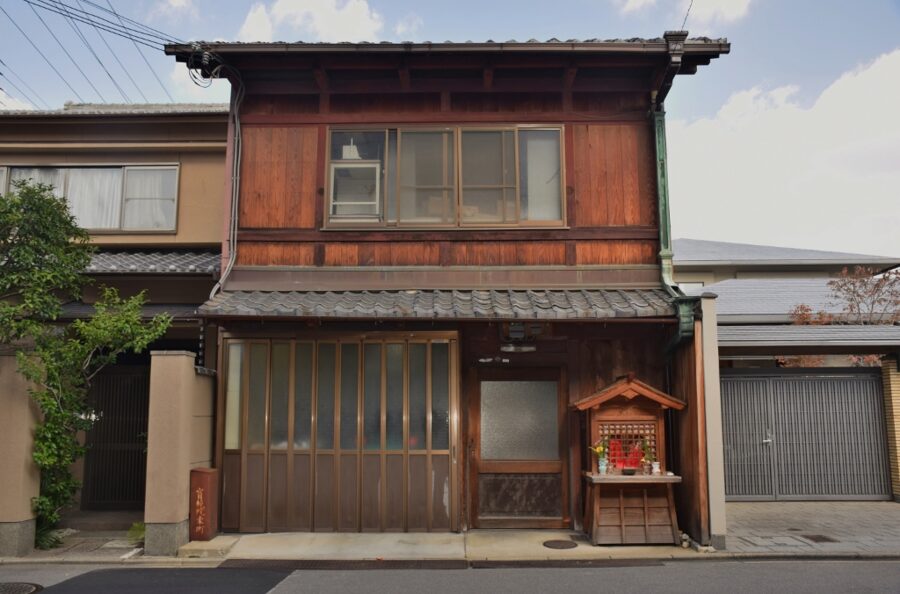

A legal rental in Japan must be registered or licensed and display its number, so book only places that show one. And these houses were built for Kyoto summers: in January the toriniwa passage is as cold as the street, and the heating is whatever has been fitted since.
Temple lodging (shukubo)
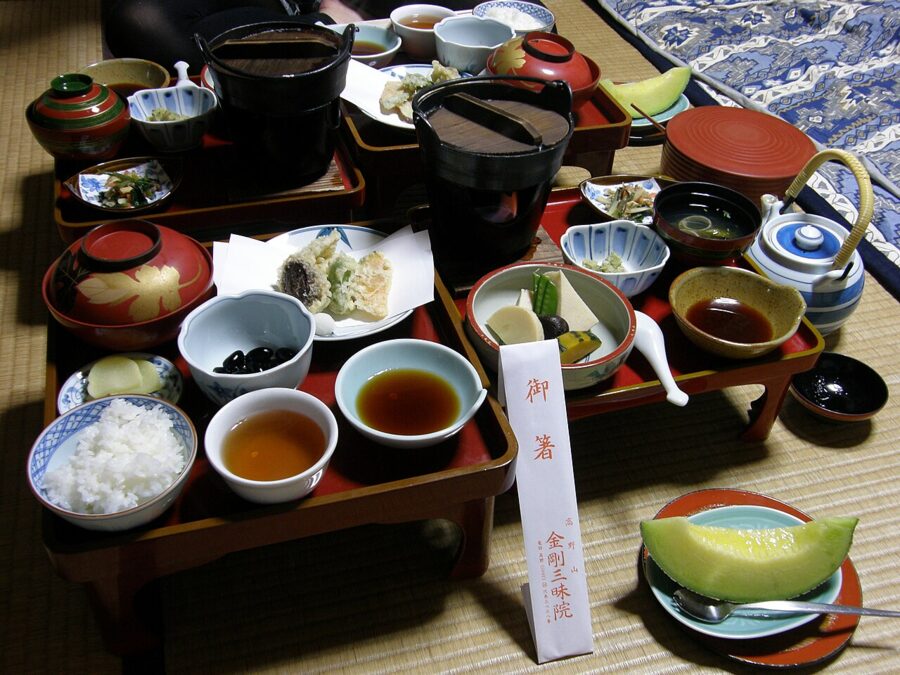
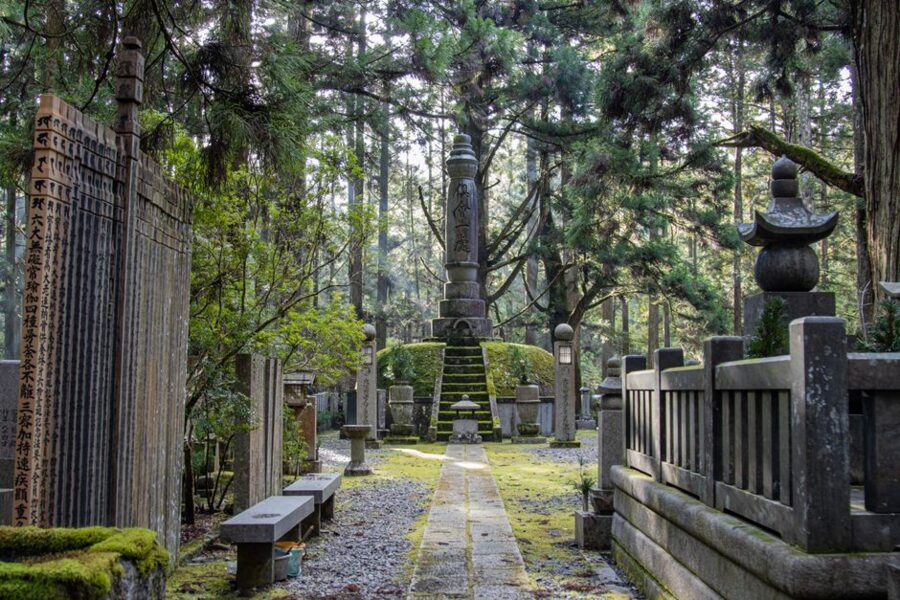
Shukubo (宿坊) are temple lodgings, and Koyasan in Wakayama Prefecture, the mountain monastery town of the Shingon school, has more of them than anywhere else. You sleep in a tatami room in the temple grounds, eat shojin ryori (the Buddhist vegetarian cuisine), and are invited to the morning service before breakfast. Fukuchi-in’s own booking pages in November 2026 listed its basic vegetarian dinner-and-breakfast plan from ¥20,000 (about £96 / $126) per person for two sharing, with check-in from 15:00 to 18:00 and check-out before 9:00.
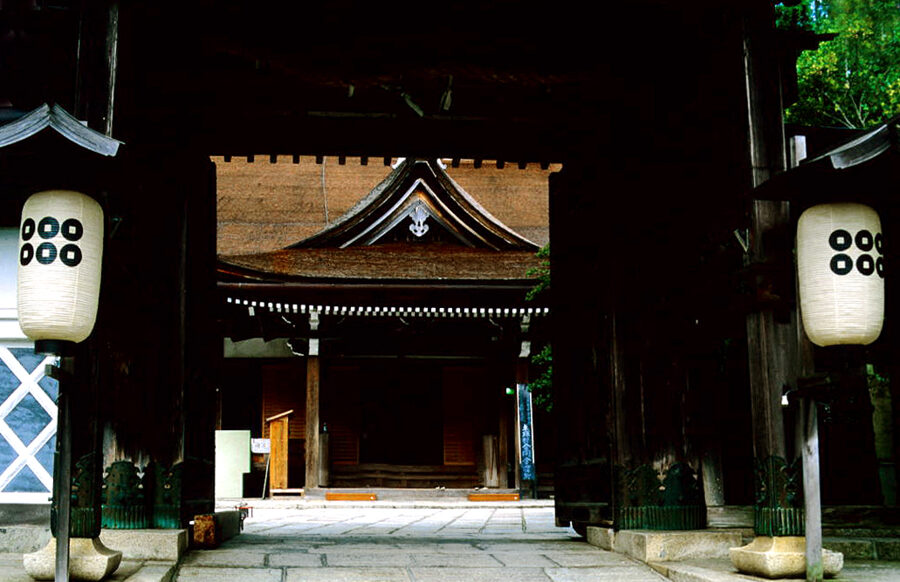

The hours are the point. Dinner at Fukuchi-in is served between 17:30 and 18:30, and the temple asks guests arriving after 18:00 to call ahead. Ekoin, another Koyasan temple, opens reservations up to eleven months in advance and runs a morning service with a fire ritual that overnight guests may join. Bring cash, since some temples still prefer it.

| Kind | How it is priced | Price as of November 2026 | Meals | Bath |
|---|---|---|---|---|
| Business hotel | Per room | Average ¥14,463 a room (year to March 2026) | Breakfast often included or extra | Private unit bath; some shared baths |
| City hotel | Per room | Average about ¥25,000 a room (same period) | Restaurants, extra | Private |
| Ryokan | Per person | Example: from about ¥32,000 with two meals (Kinosaki) | Dinner and breakfast | Shared baths, some private |
| Minshuku | Per person | Below ryokan; varies by region | Usually dinner and breakfast | Shared |
| Capsule hotel | Per person | From about ¥4,000 in central Tokyo | None | Shared |
| Temple lodging | Per person | Example: from ¥20,000 with two meals (Koyasan) | Vegetarian dinner and breakfast | Shared, some private |
Where to stay in Tokyo
Tokyo is a ring of hubs rather than one centre, and the JR Yamanote Line loop ties them together. Pick the hub that matches your first and last journeys and you will save an hour a day. Three areas do most of the work.
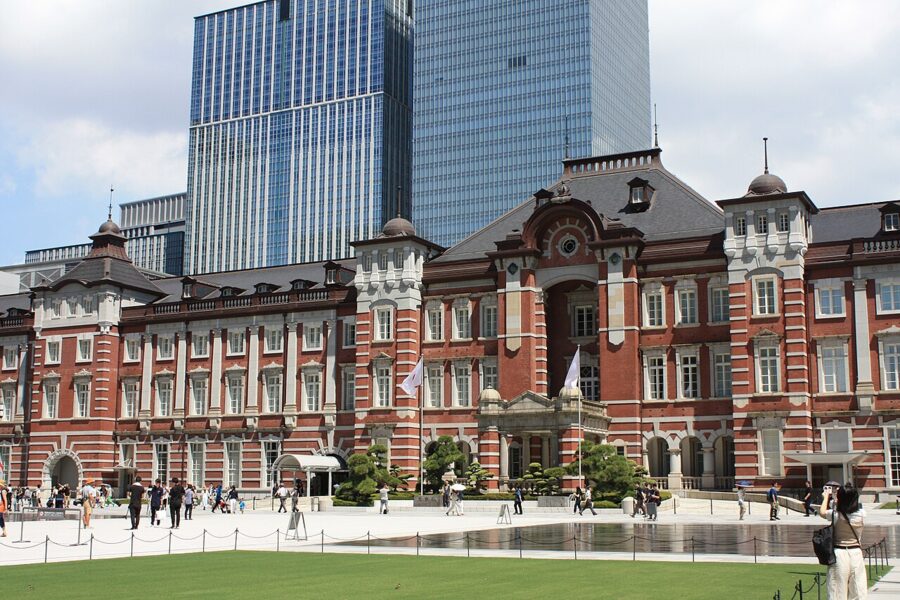
Tokyo Station, Marunouchi and Ginza
Stay here if you are going on by shinkansen. Every bullet train south to Kyoto and Osaka and north into Tohoku leaves from Tokyo Station, and the Narita Express runs in from the airport. Marunouchi is offices and big hotels; the cheaper business hotels cluster a few minutes away in Nihonbashi and Kanda. Evenings are quiet once the offices empty, and Ginza’s restaurants are ten minutes’ walk away.

Shinjuku
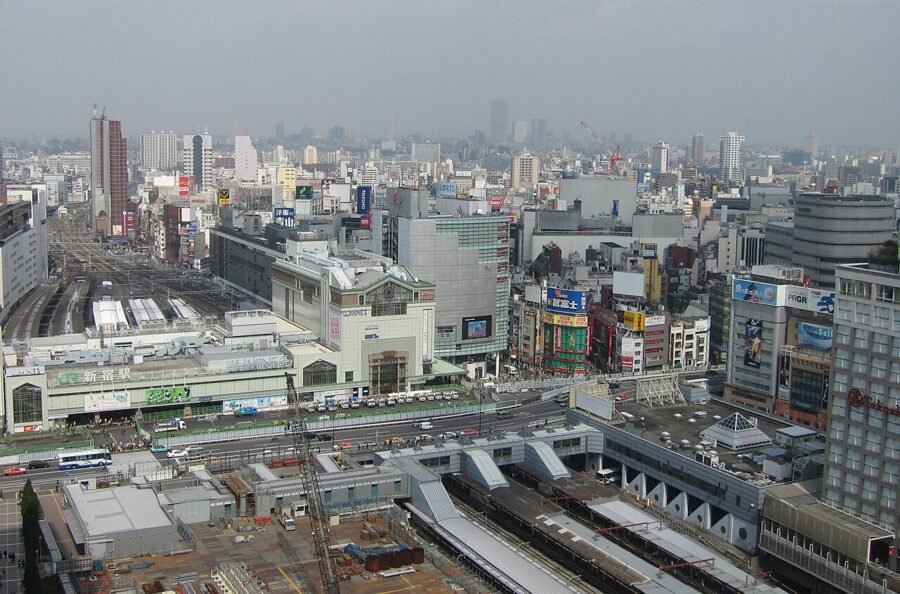
Shinjuku is the busiest railway station in the world and the most useful base for a first visit. The west side is skyscraper hotels and calm streets; the east side is department stores, bars and the late-night district of Kabukicho. The Odakyu line runs from here to Hakone. Choose a hotel that names the station exit it is near, because finding the right one can take ten minutes.

Ueno and Asakusa
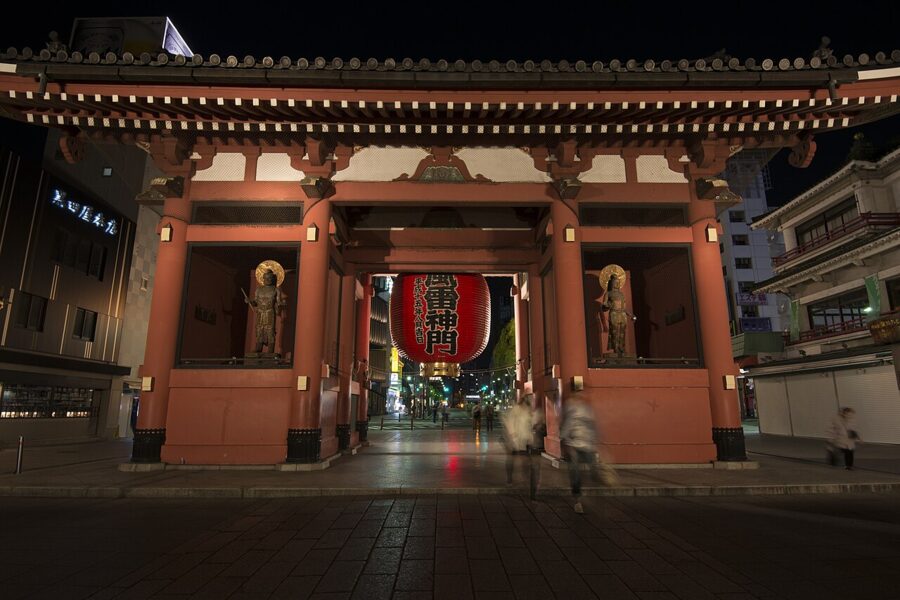
The north-east of the city is older, lower and cheaper. Ueno is the terminus of the Keisei Skyliner from Narita, about 45 minutes away, and Asakusa has the Toei Asakusa Line with through trains towards both airports. Asakusa also has the city’s densest cluster of hostels and small Japanese-style inns, and Senso-ji is a different place after dark, when the shops are shuttered and the gate is lit.

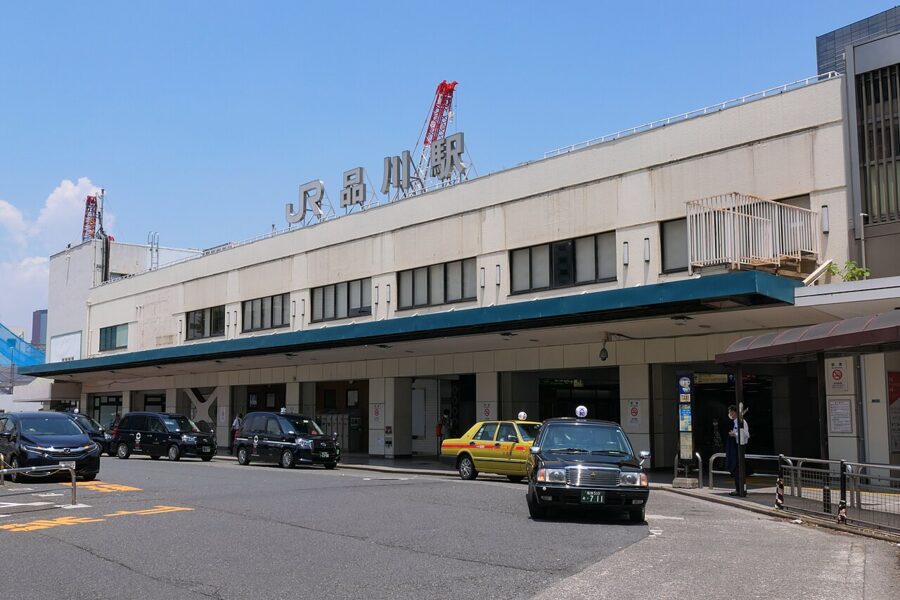
Shibuya suits a shorter stay with an evening bias, and Shinagawa, a Tokaido Shinkansen stop with fast Keikyu trains to Haneda, is the place for a night before an early flight. If your flights land at Haneda after dark, Shinagawa or Hamamatsucho saves a long ride with luggage at midnight.

Where to stay in Kyoto
Kyoto is about 2 hours 15 minutes from Tokyo on the Tokaido Shinkansen Nozomi, and it is the city where the choice of district matters most. The sights sit round the edges of a flat grid, the buses are slow and full, and the subway has only two lines. Stay central and walk, or stay at the station and ride.
Around Kyoto Station
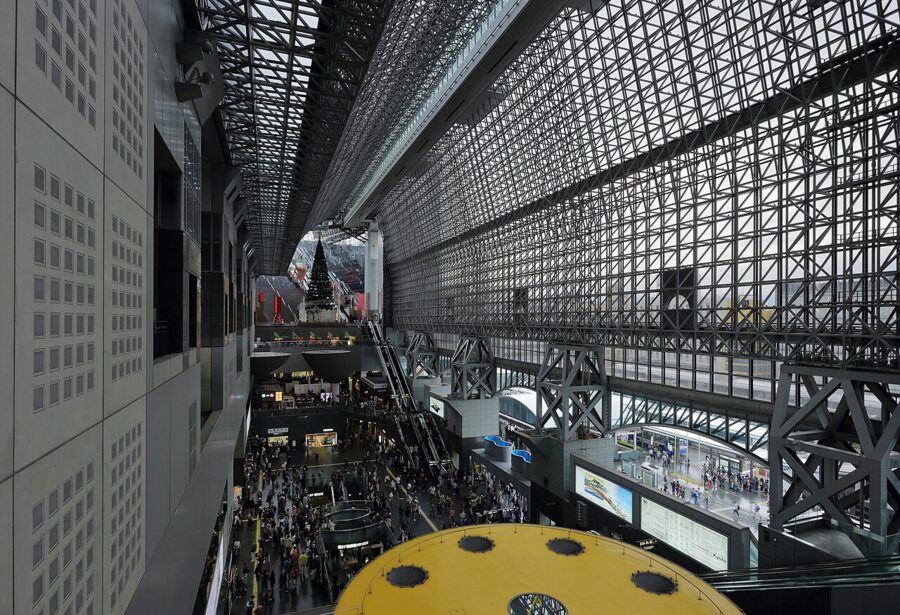
The station area is the practical choice: the shinkansen, the JR Haruka from Kansai Airport, the trains to Nara and the bus terminal are all on one site. It is also the least Kyoto-like part of Kyoto, all concrete and car parks, and the business hotels south of the tracks along Hachijo-dori are the city’s cheapest reliable beds. I would stay here for one night either side of a trip, not for a week.

Shijo, Karasuma and Kawaramachi
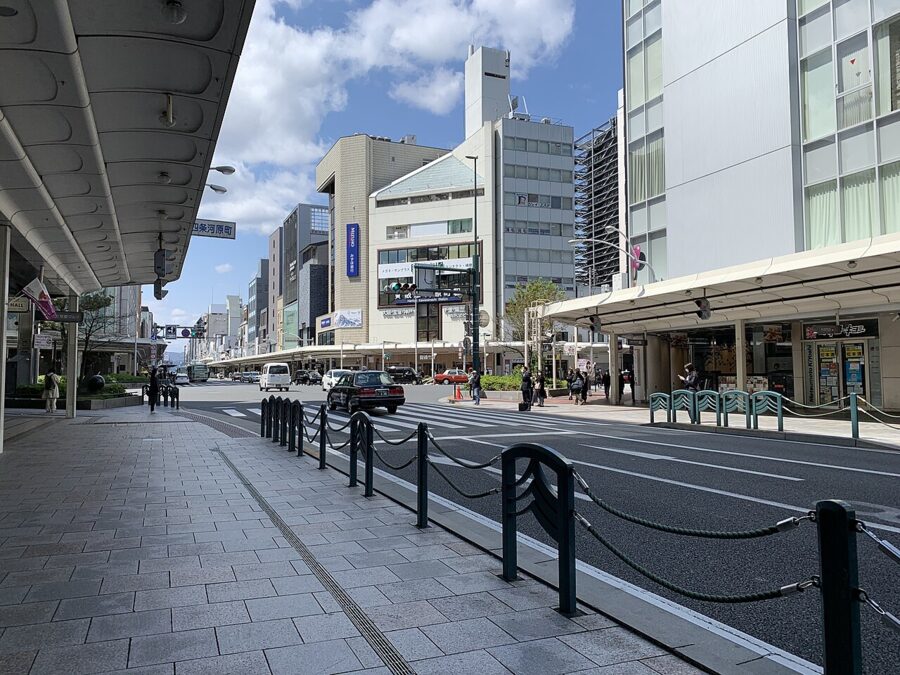
The centre of the grid, between Karasuma-dori and the Kamo River, is where I would put most people. The Karasuma subway reaches Kyoto Station in two stops, the Hankyu line runs from Kawaramachi to Osaka Umeda, and the Keihan line across the river heads north and south along the east side. Nishiki Market, Pontocho and most of the city’s restaurants are walking distance.

Gion and Higashiyama
East of the river, the old pleasure quarter of Gion and the temple slopes of Higashiyama hold the ryokan, the machiya and the stone lanes. The day crowds are heavy, and they go home; by eight in the evening the lanes below Kiyomizu-dera are far quieter. This is the district for a ryokan night, with the trade-off that you will take buses or long walks to everything west of the river.
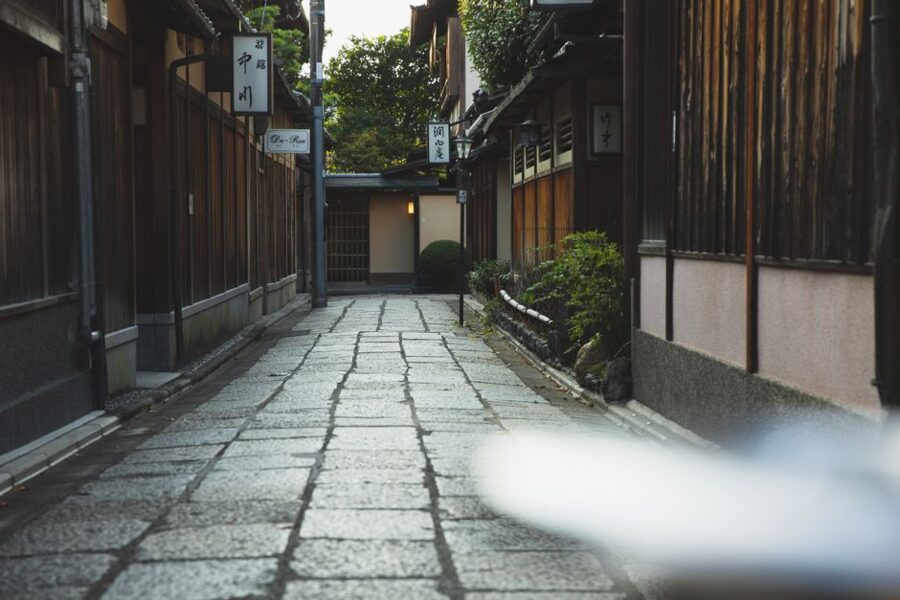
Mind the tax here. Since 1 March 2026 Kyoto City charges up to ¥10,000 (about £48 / $63) per person per night on the most expensive rooms, and ¥1,000 (about £5 / $6) on a room of ¥20,000 to ¥50,000 a head, which covers most good ryokan. The full scale is in the tax table below.
Where to stay in Osaka
Osaka is 15 minutes from Kyoto by shinkansen and about half an hour by JR Special Rapid, and its hotels run cheaper. Many people base themselves here for the whole of Kansai. The city splits in two, north and south, joined by eight minutes on the Midosuji subway line.
Umeda (Kita)
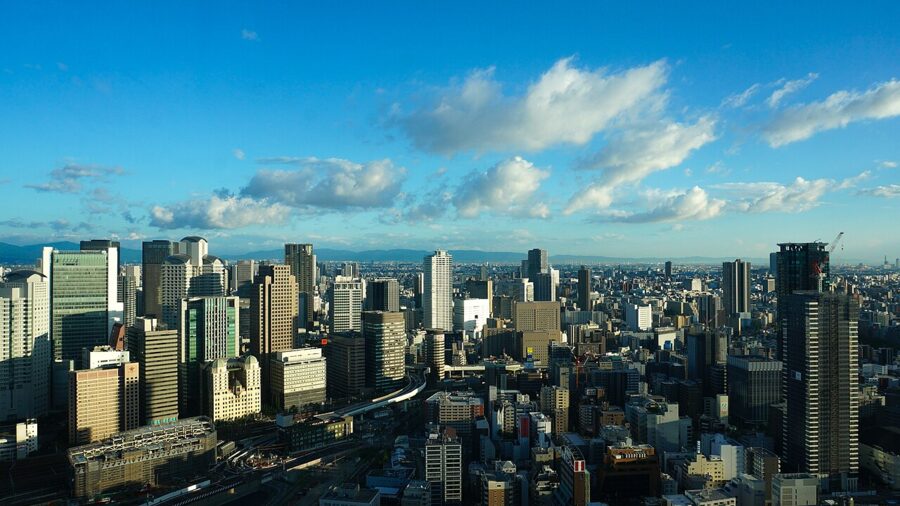
Umeda, around JR Osaka Station, is the north: office towers, department stores, the Hankyu and Hanshin terminals and the most hotels. It is the better base for day trips to Kyoto, Kobe and the north of the prefecture, and Shin-Osaka, where the shinkansen stops, is three stops up the Midosuji line.

Namba (Minami)
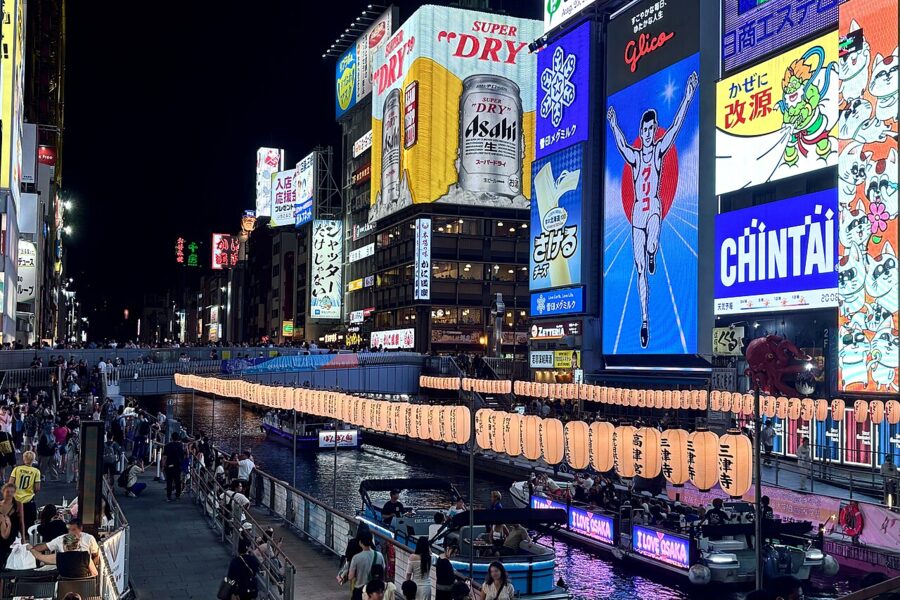
Namba is the south: the Dotonbori canal, the covered shopping streets, the food stalls and the late nights. Nankai trains leave Namba for Kansai Airport, and Kintetsu trains run from Osaka-Namba to Nara, so it suits a trip that starts or ends at the airport or heads south and east. Choose a hotel a few blocks from the canal if you want to sleep before midnight.
Shin-Osaka
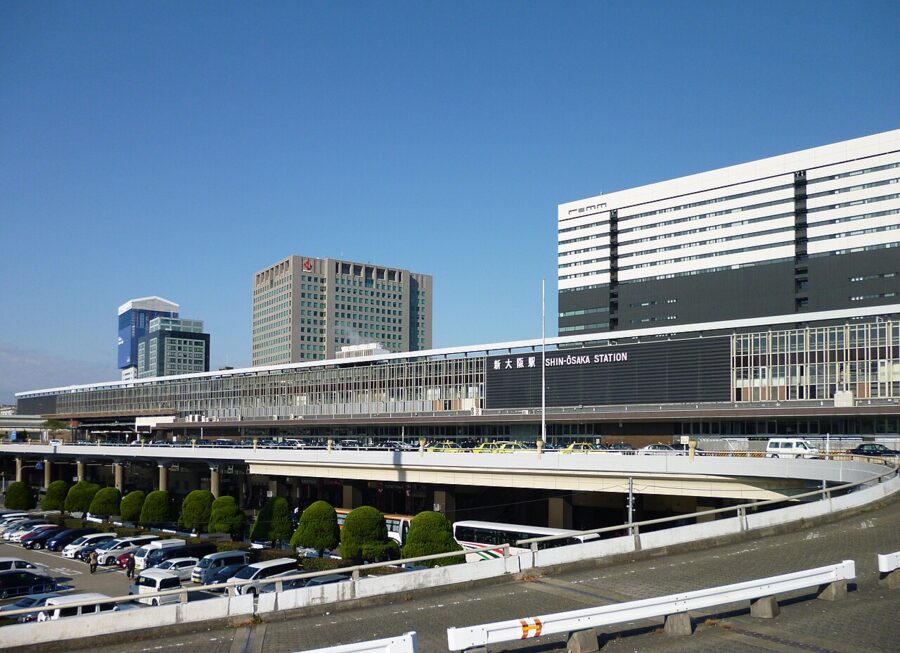
Shin-Osaka is a shinkansen station surrounded by business hotels and very little else. It is the right answer for one night before an early train to Hiroshima or Tokyo, and the wrong one for a stay in the city.
Where to stay in Hiroshima
Hiroshima is about 1 hour 25 minutes from Shin-Osaka on the Sanyo Shinkansen and about four hours from Tokyo. It is compact enough to see in two days, and the decision is between the station, the centre and a night on Miyajima.
The station area
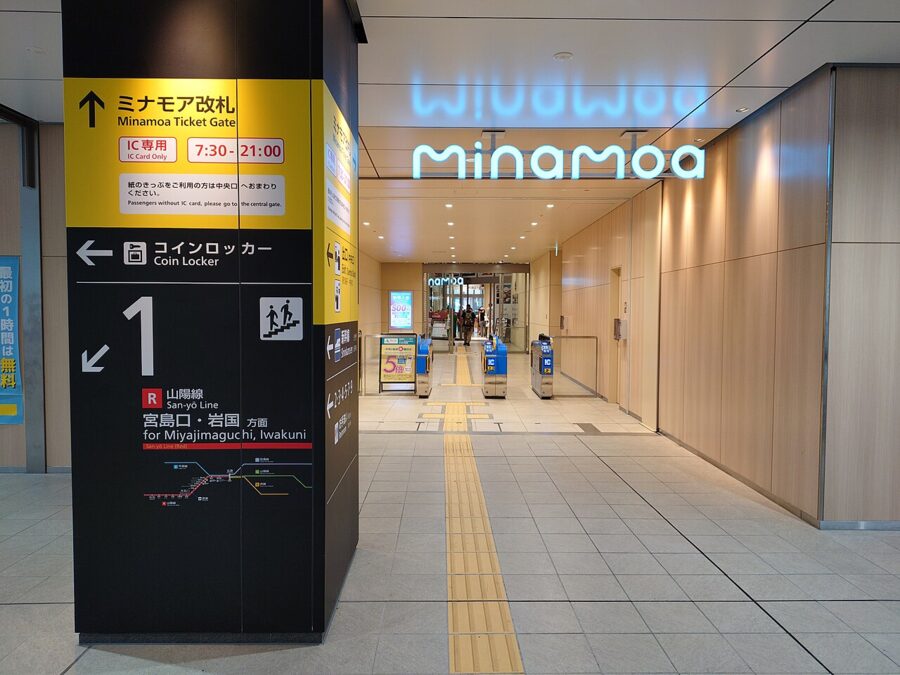
The station has changed in the last two years. The new station building, minamoa, opened in 2025, and since 3 August 2025 the Hiroden streetcars have run straight into its second floor, which cut the transfer from the JR gates to under two minutes and the ride into the centre by about four minutes. A hotel by the station is now as practical for the Peace Park as for the trains.
Hatchobori, Kamiyacho and Hondori
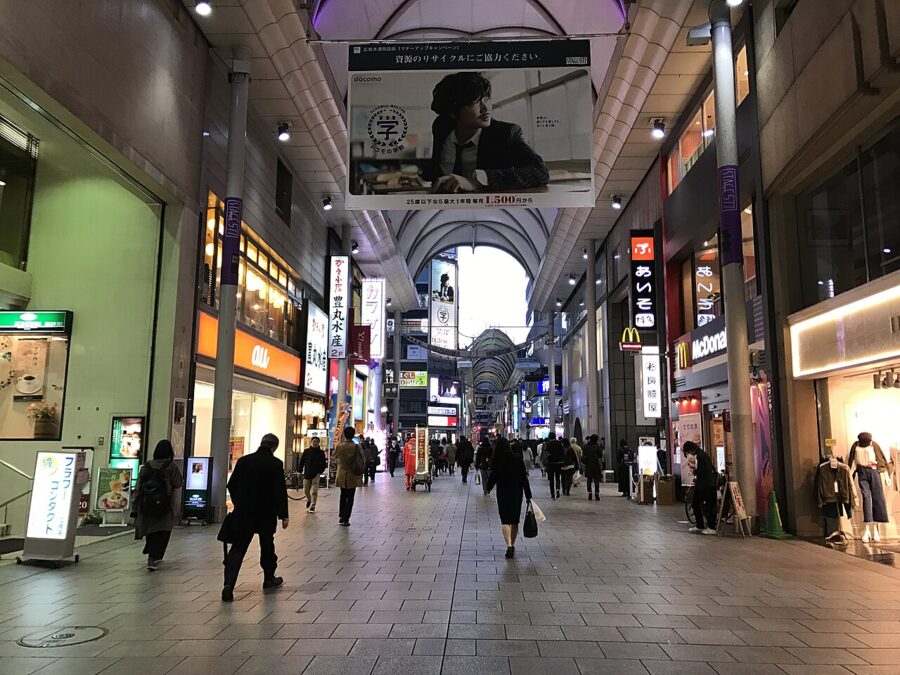
The centre runs from Hatchobori west through the covered Hondori arcade to Kamiyacho and the Peace Memorial Park beyond. Staying here puts the park, the Atomic Bomb Dome, the okonomiyaki counters and the bars of Nagarekawa within walking distance, and the hotels are mid-sized and good value.

A night on Miyajima
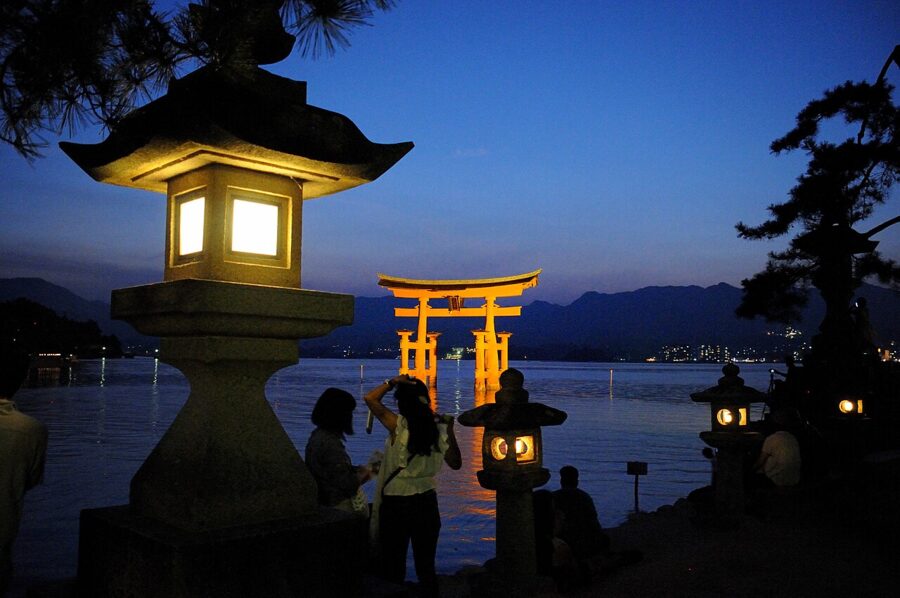
Miyajima is about 30 minutes west of Hiroshima by the JR Sanyo Line to Miyajimaguchi, then ten minutes by ferry. Most people come for the day, and a night at one of the island’s ryokan gives you the shrine in the evening and the lanes at dawn with only the deer. Since October 2023 Hatsukaichi City has collected a ¥100 (about 50p / 63 cents) visitor tax on each trip to the island, paid with the ferry fare.

Accommodation taxes, city by city
Japan has no national hotel tax, but a growing number of prefectures and cities charge their own, per person per night, on top of the room rate and the 10 per cent consumption tax. Most are banded by the room-only price per person, without meals or consumption tax. The amounts are small except at the top end in Kyoto, and they are often collected at the desk even when the room is prepaid.
For scale, at the November 2026 rate: ¥5,000 is about £24 / $31, ¥6,000 about £29 / $38, ¥10,000 about £48 / $63, ¥15,000 about £72 / $94, ¥50,000 about £240 / $315 and ¥100,000 about £480 / $630. Most travellers pay ¥100 to ¥300 (about 50p to £1.45 / 65 cents to $1.90).
| Where | Room-only price per person per night | Tax per person per night | Since |
|---|---|---|---|
| Tokyo (hotels and ryokan) | Under ¥10,000 / ¥10,000 to ¥14,999 / ¥15,000 and over | None / ¥100 / ¥200 (about £1 / $1.30) | 2002 |
| Kyoto City | Under ¥6,000 / ¥6,000 to ¥19,999 / ¥20,000 to ¥49,999 / ¥50,000 to ¥99,999 / ¥100,000 and over | ¥200 / ¥400 (about £2 / $2.50) / ¥1,000 / ¥4,000 (about £19 / $25) / ¥10,000 | Rates raised 1 March 2026 |
| Osaka Prefecture | Under ¥5,000 / ¥5,000 to ¥14,999 / ¥15,000 to ¥19,999 / ¥20,000 and over | None / ¥200 / ¥400 / ¥500 (about £2.40 / $3.15) | Rates raised 1 September 2025 |
| Hiroshima Prefecture | Under ¥6,000 / ¥6,000 and over | None / ¥200 | 1 April 2026 |
| Fukuoka City | Under ¥20,000 / ¥20,000 and over | ¥200 / ¥500 (city and prefecture combined) | 2020 |
| Rest of Fukuoka Prefecture (outside Fukuoka City and Kitakyushu) | Any | ¥200 | 2020 |
| Sapporo | Under ¥20,000 / ¥20,000 to ¥49,999 | ¥300 / ¥400 (city and Hokkaido combined) | 1 April 2026 |
| Rest of Hokkaido | Under ¥20,000 / ¥20,000 to ¥49,999 / ¥50,000 and over | ¥100 / ¥200 / ¥500, plus any town tax | 1 April 2026 |
| Sendai | Under ¥6,000 / ¥6,000 and over | None / ¥300 (city ¥200, Miyagi Prefecture ¥100) | 13 January 2026 |
| Nagasaki City | Under ¥10,000 / ¥10,000 to ¥19,999 / ¥20,000 and over | ¥100 / ¥200 / ¥500 | 2023 |
Two changes are already fixed. From 1 April 2027 Tokyo switches to a flat 3 per cent of the room-only price, with stays under ¥13,000 (about £63 / $82) a head exempt, and brings simple lodgings and private rentals into the tax for the first time; a ¥20,000 room will then cost ¥600 (about £2.90 / $3.80) in tax. From the same date Nagasaki moves to ¥100 under ¥6,000, ¥300 from ¥6,000 to ¥19,999 and ¥500 above.
Elsewhere in Miyagi Prefecture the prefecture’s own ¥300 applies above ¥6,000. School trips are exempt nearly everywhere, and some resort towns in Hokkaido, Niseko and Kutchan among them, levy their own on top. Some booking sites include the tax in the price and some leave it to the desk.
Booking: when, cancellation, room sizes, twin or double
When to book
The occupancy figures tell you the order. City business hotels run three-quarters full on an ordinary night, so book them first, and as soon as your dates are fixed for cherry-blossom season in late March and early April, the November autumn colours, Golden Week in early May, Obon in mid-August and New Year. Ryokan average under half full, but the famous ones book out months ahead for weekends.
Weekday nights are cheaper almost everywhere, and the night before a public holiday is priced like a Saturday.
Cancellation
Read the plan, not the hotel. Japanese hotels sell the same room under several plans, each with its own terms. Ryokan usually charge cancellation fees from several days before arrival, rising as the date approaches, because the food has been bought. I could not confirm a single national standard for the percentages, so treat whatever the plan states as the rule.
Room sizes and beds
Japanese rooms are smaller than European or American ones. A business-hotel single of around 12 square metres is normal, and Toyoko Inn’s listings show singles of 12 square metres and larger rooms of 16. A “single” often has a bed about 120 centimetres wide, the size the Japanese call semi-double, and some hotels sell that same room to two people as a “semi-double”, which is cheap and cramped.
For two adults, a twin (two beds) or a double with a bed of 140 centimetres or more is worth the extra. Families should look at Japanese-style rooms, which sleep four or five on futons for one room price at many inns. Check, too, whether a price is per room or per person: ryokan, minshuku and temples quote per person, and a ¥15,000 plan for two is ¥30,000 (about £145 / $189).
Check-in, luggage forwarding and arriving late
Check-in and check-out times
Most hotels and inns check you in from 15:00 and out at 10:00 or 11:00, and they mean it: an early arrival will be asked to wait, though almost every hotel will hold your bags free of charge until the room is ready. Ryokan and temples work to the meal times. Most business hotels have someone at the desk all night; small inns, hostels and temples often do not.
Sending your bags ahead (takkyubin)
The answer to Japanese trains and small rooms is to travel without your suitcase. Takkyubin (宅急便), the door-to-door parcel service, will take a case from one hotel to the next, usually by the following day. Yamato Transport, whose black-cat trucks you will see everywhere, quotes from ¥3,160 (about £15 / $20) for a case up to 160 centimetres in combined length, width and height from its Tokyo Station office to a Kyoto hotel, delivered next day.
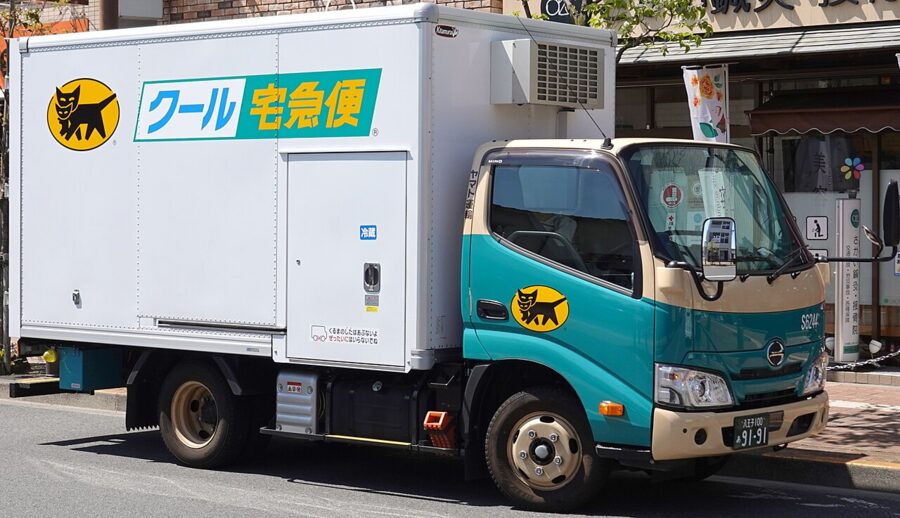
Most hotel desks will book it for you and accept cases on arrival; Yamato’s own offices take bags dropped by about 18:00 for next-day delivery. Send the case a day before you leave, keep an overnight bag, and tell the receiving hotel it is coming. Some shinkansen lines now require a reserved seat with a luggage area for large cases, which is one more reason to send yours by road.
Arriving late
Tell the hotel. A late arrival is routine for a city hotel, but a small inn may lock up, a hostel’s reception may close at 19:00, and a ryokan will want to know whether to keep dinner. Email or message through your booking site with your expected time, and keep the hotel’s address in Japanese on your phone for the taxi driver.
Where to go next
Each of these cities is a gateway. From Tokyo, the Tohoku Shinkansen reaches Sendai in about 90 minutes, and a minshuku on the Sanriku coast makes the night after. From Kyoto and Osaka, Nara is under an hour by Kintetsu, Koyasan about two hours south of Namba by the Nankai line and cable car, and Kinosaki about two and a half hours north by limited express.
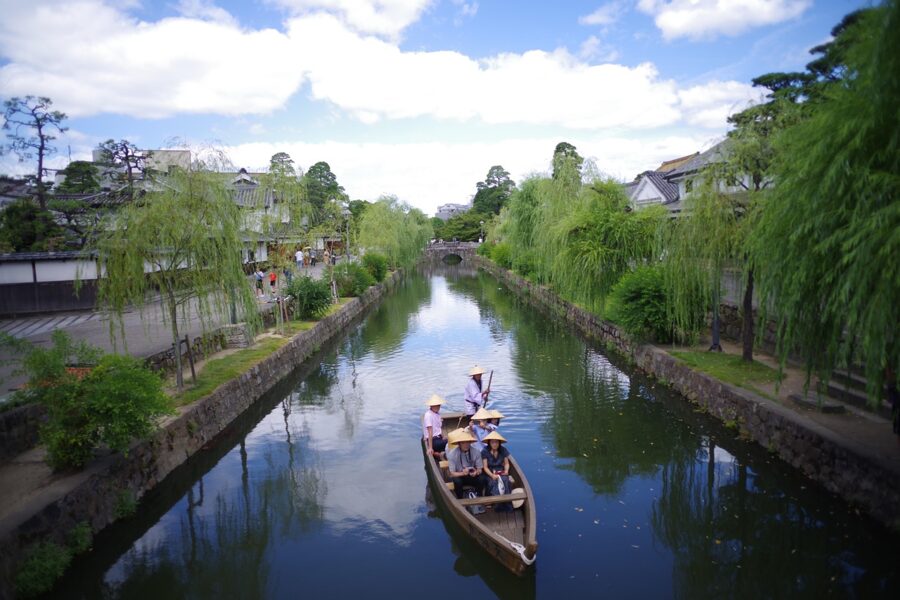
From Hiroshima, the Sanyo Shinkansen continues west into Kyushu: Fukuoka in about an hour, and Nagasaki on the Nishi-Kyushu Shinkansen from Takeo-Onsen. Or stay in the Chugoku region and take the line back east through Okayama, where Kurashiki’s canal quarter is the place for one more night in an old house.
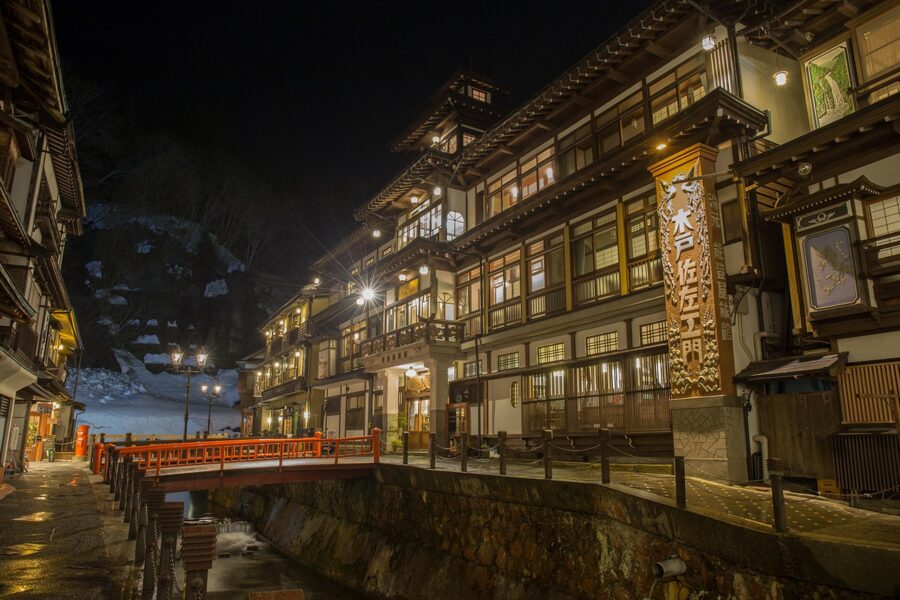
Plan the beds the way you plan the trains. Book the station hotels early, because three in four are taken on an ordinary night, and leave a night or two for the inn with tatami and a hot bath, which on a weekday is more likely to have a room than you think.