
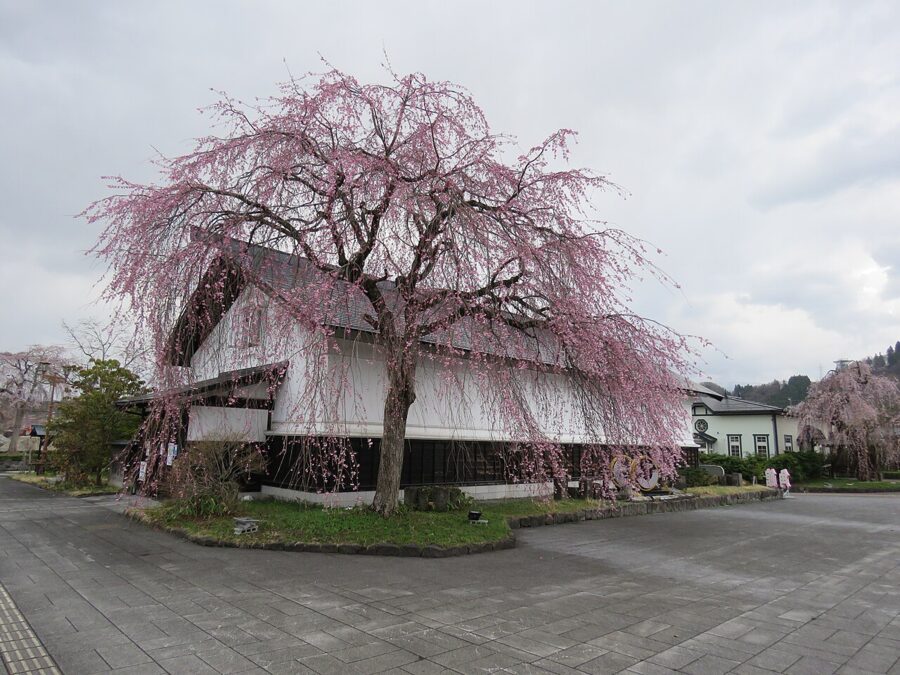
Japan has 1,502 certified tourist information centres, and the one you need is usually on the concourse you have just crossed. Look for the counter marked 観光案内所 (kanko annaijo) at the station exit or in the arrivals hall: it is where a missed bus, a closed road or a ryokan that will not answer the phone gets sorted out, usually in English and at no charge for the advice.
The rest of what a visitor needs fits on one screen of a phone: two emergency numbers, a hotline that never closes, an alert app, and a working idea of where lost things go. Japan is an easy country to get help in once you know which door to knock on, and the doors at Haneda are not the doors on a back road in Akita.
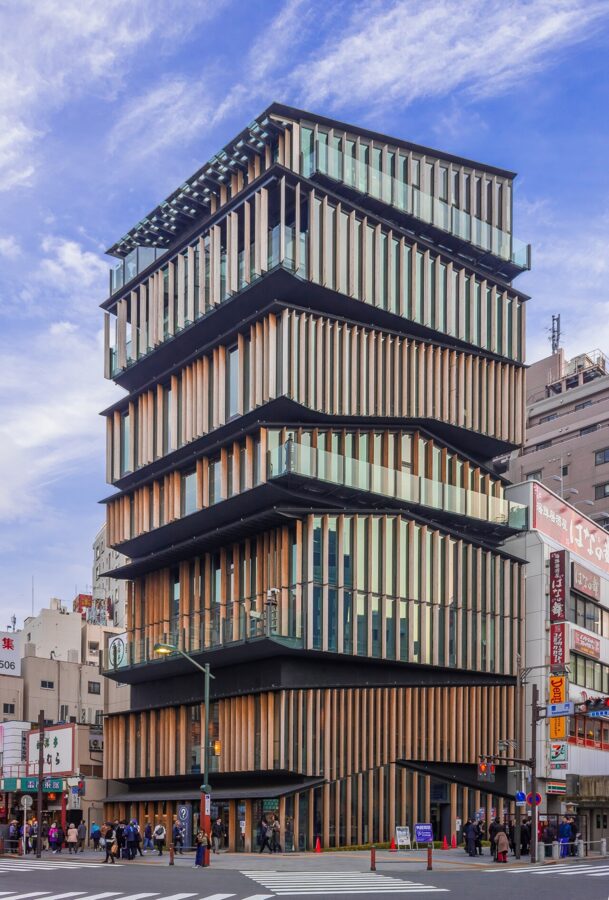

Money, medicines and doctors have their own place in practical information for Japan. Here the subject is the help itself: counters, help lines, apps, and the offices that hold a lost wallet for three months.

Contents
Tourist information centres and what the categories mean
Since 2012 the Japan National Tourism Organization (JNTO) has certified information centres for foreign visitors under rules set by the Japan Tourism Agency, and each certificate is renewed every three years. At the end of October 2026 the count stood at 1,502: 52 in Category 3, 308 in Category 2, 704 in Category 1 and 438 partner facilities. The total has hardly moved since 2023, which tells you the network is mature rather than growing.
The category tells you how far a centre’s knowledge reaches, not how friendly it is. JNTO’s certification rules break down like this:
- Category 3: English at all times plus two more languages, information on all of Japan, Wi-Fi, open almost every day. Found at international airports, big stations and the busiest sights.
- Category 2: English-speaking staff or a video interpreter at all times, information on the region and neighbouring prefectures, open regularly including weekends.
- Category 1: English by some means, often a translation tablet rather than staff, local information, open at least in the high season.
- Partner facility: a shop, hotel or roadside station whose main business is something else, certified for giving impartial local information.

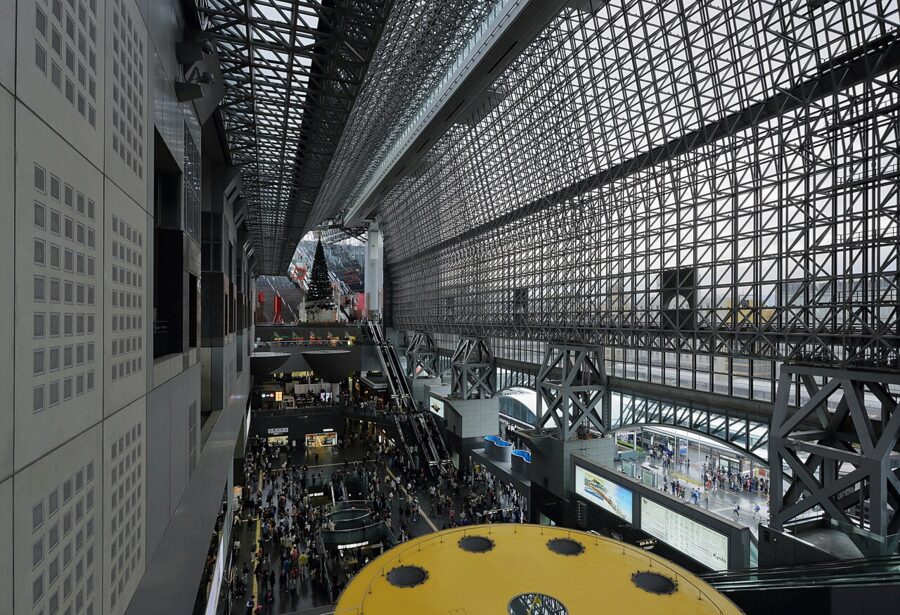
A Category 3 desk at Kyoto Station can route you to Hokkaido; a Category 1 counter in a country town knows the bus to the gorge and the day the museum shuts. JNTO’s search site for certified centres filters by prefecture, category and services such as baggage storage, currency exchange, SIM cards, prayer rooms and bicycle hire.
Where the big ones are
The 52 Category 3 centres trace Japan’s main travel corridor. Fifteen are in Tokyo, five each in Osaka and Fukuoka prefectures, four each in Aichi and Chiba (all four in Chiba at Narita Airport). Away from the Tokaido and Sanyo lines they thin out fast: Tohoku has one, in Sendai Station; Hokkaido has one, at New Chitose Airport; Ishikawa, Nara, Okinawa and every Shikoku prefecture but Kagawa have none.
That is not a mark against the regions. Okinawa’s two counters at Naha Airport are Category 2 with English-speaking staff, and they know their islands better than any national desk. Heading beyond the corridor, I would stock up on maps at the arrival airport, then lean on the local counters.
| Centre | Where | Hours (as of November 2026) | Category |
|---|---|---|---|
| Narita Airport Tourist Information Center | Terminals 1 and 2, arrival lobby | 8:00–20:00 | 3 |
| Tokyo Tourist Information Center Haneda Airport | Terminal 3, 2F | 24 hours | 3 |
| Kansai Tourist Information Center | Kansai Airport Terminal 1, 1F | 9:00–19:00 | 3 |
| Hokkaido Tourist Information Center | New Chitose Airport, international terminal 2F | 8:00–20:00 | 3 |
| Fukuoka Airport Tourist Information Center | International terminal 1F | 8:00–21:30 | 3 |
| Kyoto Tourist Information Center | Kyoto Station Building 2F | 8:30–19:00 | 3 |
| Tourist Information Osaka | JR Osaka Station, central concourse 1F | 7:00–22:00 | 3 |
| Hiroshima Tourist Information | JR Hiroshima Station, Shinkansen exit 2F | 6:00–24:00 | 3 |
| Fukuoka City Tourist Information | Hakata Station | 8:00–19:00 | 3 |
| Sendai Tourist Information Center | JR Sendai Station 3F | 8:30–19:00 (staffed 9:00–17:00) | 3 |
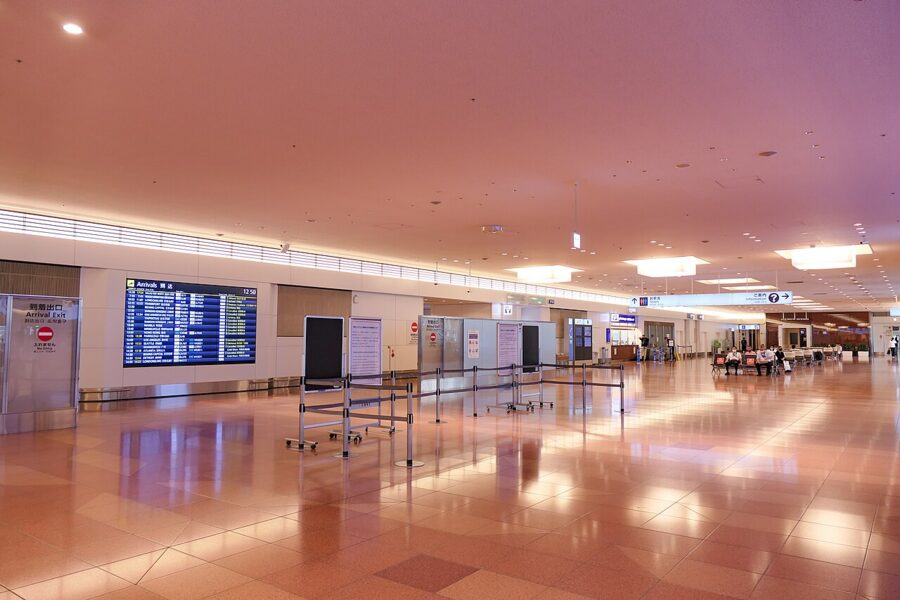

The desk at Hiroshima Station keeps the longest hours of those in the table, and the one in Sendai hands over to an AI guide outside staffed hours. For the airports themselves, see flying to Japan; for the lines between them, Japan’s railways.

What they will do, and the counter that closed
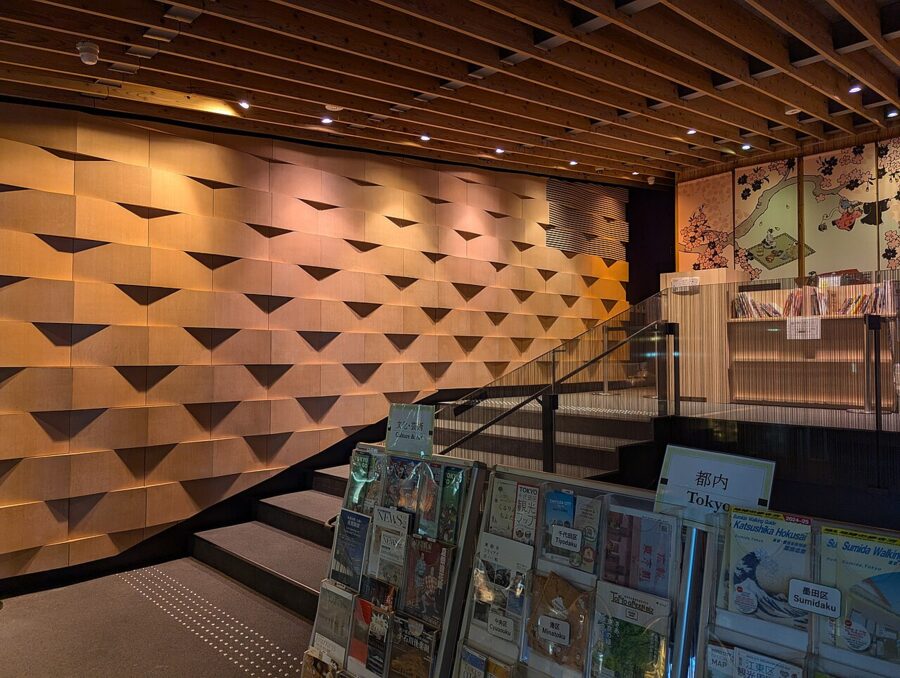
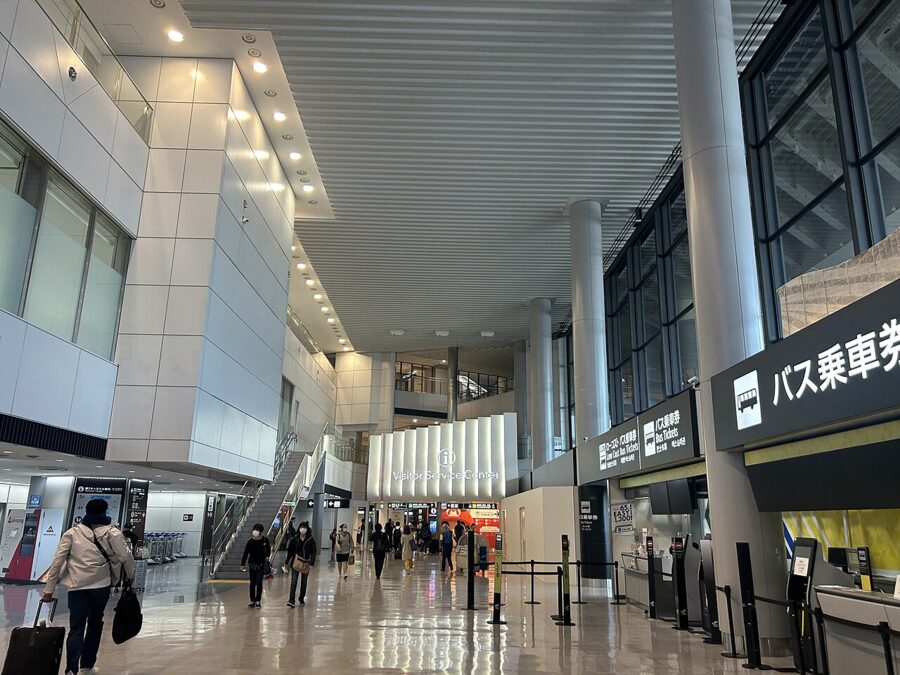
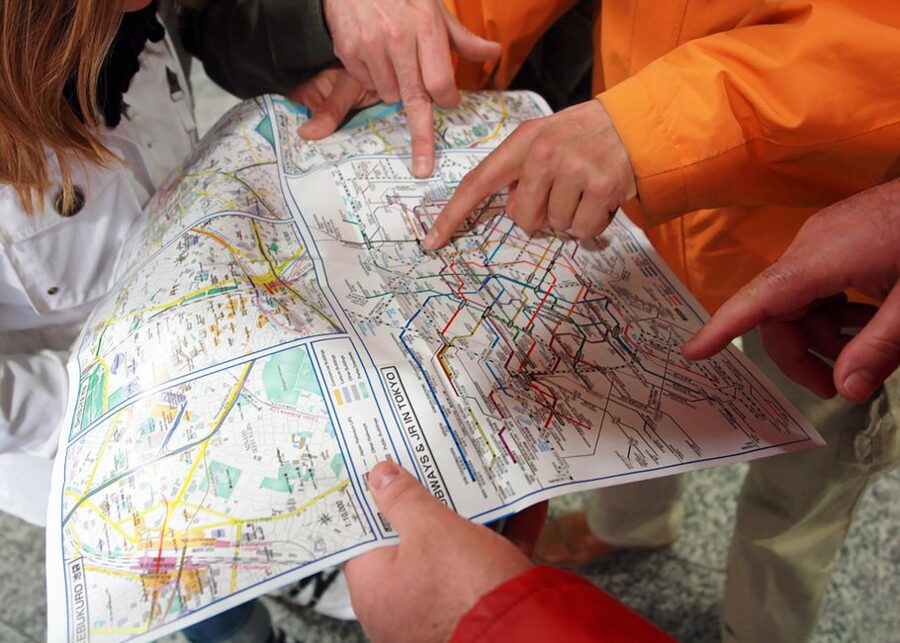
Every certified centre gives out maps and answers questions about routes, timetables and opening days. The airport desks at Narita, New Chitose and Fukuoka also store bags, change money, sell SIM cards and rent pocket Wi-Fi. Ask for the free regional maps: they show better than any phone how one valley leads to the next.
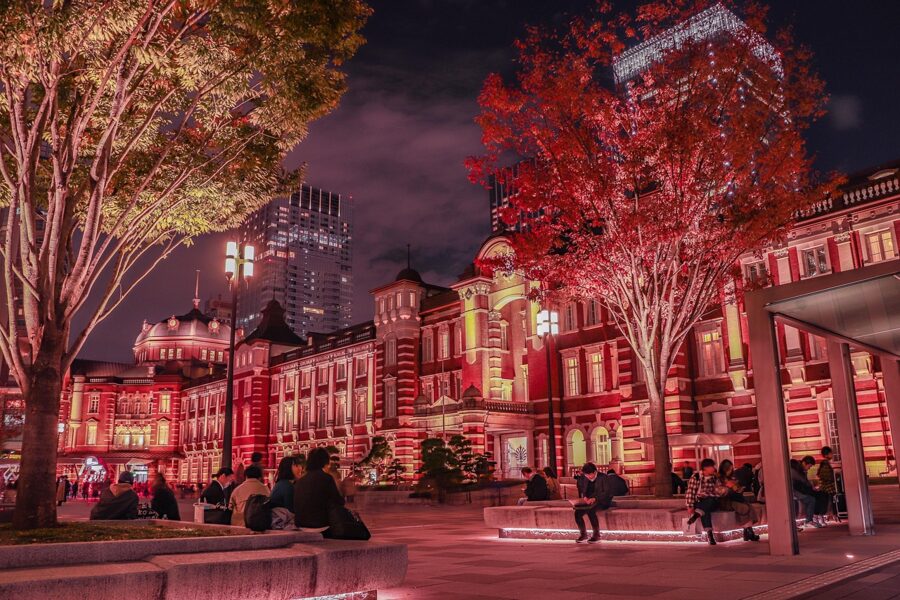
JNTO itself no longer runs a walk-up desk. Its Marunouchi counter in Tokyo closed on 31 March 2026, replaced by the JNTO TIC call centre: 050-3416-0010, in English, Chinese, Korean and Japanese, 9:00 to 17:00 every day. Near Tokyo Station, TIC TOKYO in Marunouchi Trust Tower North (10:00 to 19:00, closed 31 December to 3 January) and the JR East Travel Service Center in the station are both Category 3.
Out in the country
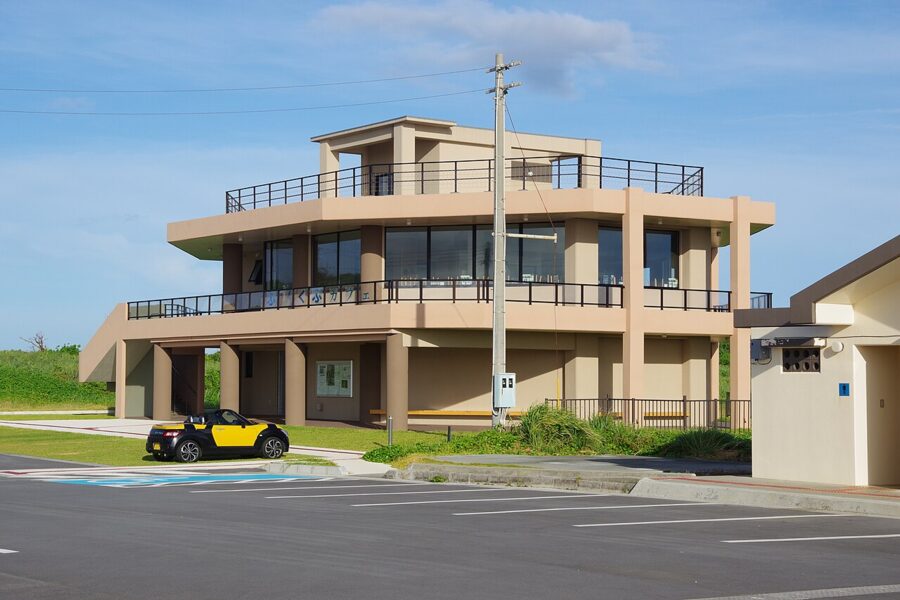
The further you go from the corridor, the more the help comes from roadside stations, tourism associations and the station building itself. Michi-no-eki (道の駅), the roadside stations on main roads, are often certified, which makes them the first stop for anyone driving in Japan. In Okinawa the list runs from the roadside station at Ginoza (Category 2) to Kyoda in Nago and the information centre at Cape Hedo (Category 1), and the roadside station at Ogimi in the Yanbaru forest is a partner facility.

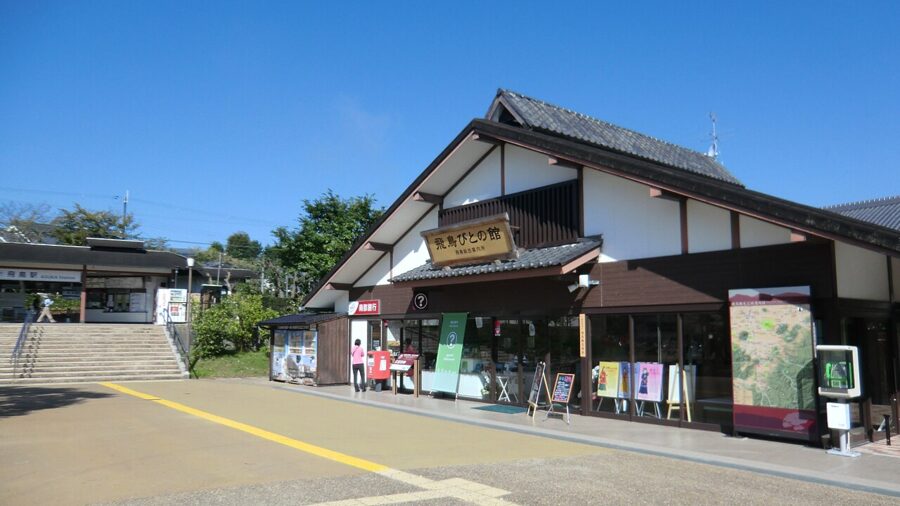

Nara Prefecture shows the pattern. The Category 2 office at Kintetsu-Nara Station covers the city; beyond it the counters are small and local, and the Yoshino Visitors Bureau in Kamiichi keeps weekday hours only (8:30 to 17:15). Check a small centre’s days before you build a morning around it.
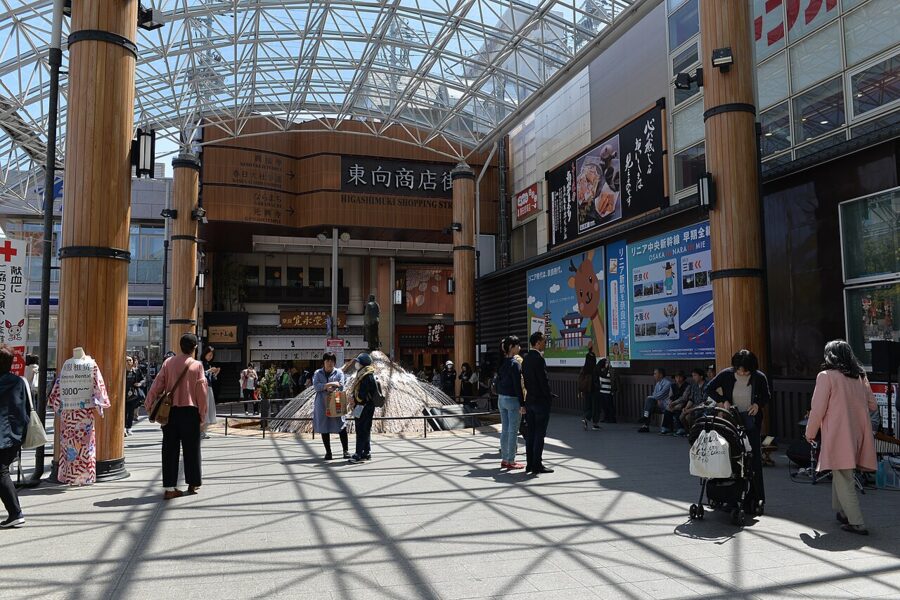

Akita Prefecture is similar: Category 2 centres in Akita Station and at Lake Tazawa, Category 1 counters at Kakunodate, Oga and Odate. Kakunodate’s opens 9:00 to 18:00 from April to September and to 17:30 from October to March (closed only on 31 December); use it on the way into the samurai town, not on the way out.
Help lines and emergency numbers
Three numbers cover almost everything. Dial 110 for the police and 119 for fire or an ambulance; both are free from any phone. The third is the Japan Visitor Hotline, run by JNTO 24 hours a day, 365 days a year, in English, Chinese and Korean, for accidents, illness, disasters and ordinary tourist questions.
| Number | What it is for | Hours and languages (as of November 2026) |
|---|---|---|
| 110 | Police: a crime, a traffic accident, danger now | 24 hours |
| 119 | Fire and ambulance | 24 hours |
| 118 | Japan Coast Guard: trouble at sea or on the shore | 24 hours |
| 050-3816-2787 (+81-50-3816-2787 from a foreign phone) | Japan Visitor Hotline: emergencies, illness, disasters, tourist information | 24 hours; English, Chinese, Korean |
| 050-3416-0010 | JNTO TIC call centre: travel questions | 9:00–17:00 daily; English, Chinese, Korean, Japanese |
| #9110 | Police advice when nothing is urgent | Prefectural police consultation desk |
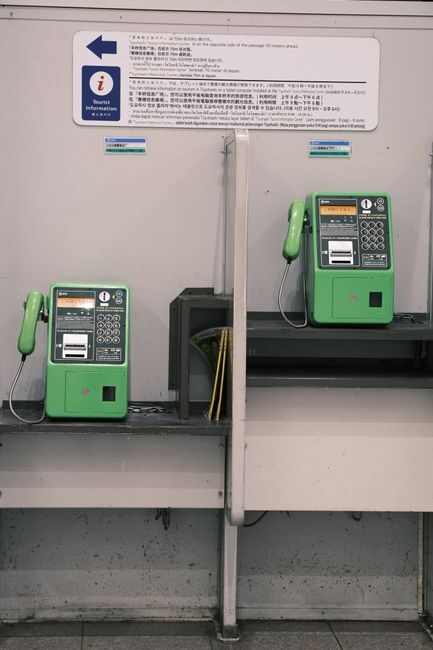
Save the Visitor Hotline in your phone before you fly. It is the call to make when you need a hospital that sees patients in English, when a warning on the television means nothing to you, or when a typhoon has stopped the trains and you need a way home. It is an information line, not an emergency service, so when someone is hurt or in danger, call 119 or 110 first and the hotline second.
Making a 110 or 119 call
The 119 operator opens with one question: kaji desu ka, kyukyu desu ka (fire, or ambulance?). Answer “kyukyu” for an ambulance or “kaji” for a fire, then say “English” and keep talking. Police control rooms work with interpreters on three-way calls, and the great majority of fire departments can add an English-speaking interpreter in the same way, with Chinese and Korean as standard too.
The hard part is saying where you are. Give the nearest station, junction or convenience store, or read the address off a building corner or a utility pole plate. Stay on the line until told to hang up, and send someone to the street to meet the ambulance. If your Japanese fails entirely, hand the phone to a passer-by or the hotel front desk; people in Japan are used to being asked.
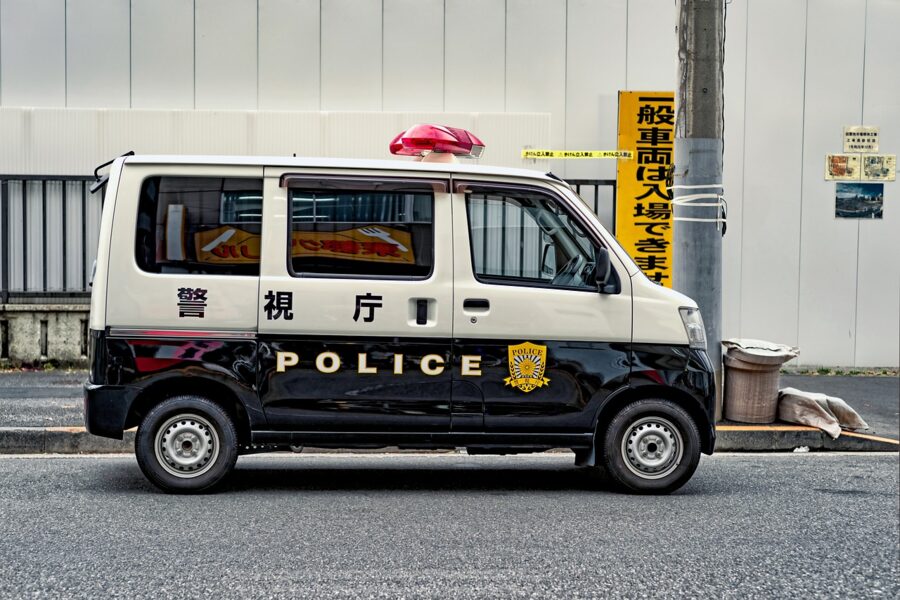
The koban on the corner
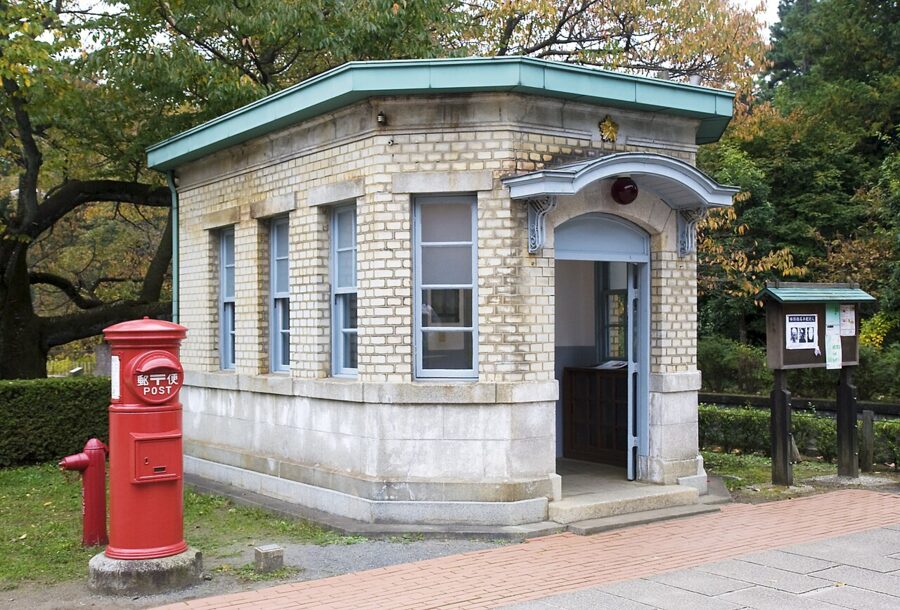
The koban (交番), the police box, is the most useful police station a visitor will see. Koban stand outside big stations and at busy junctions and are worked in shifts around the clock, though the officer may be out on patrol when you arrive. Much of their day goes on giving directions. A koban is also where you report a theft or file a lost property report, and the officer will usually draw you a map if you show the address on your phone.
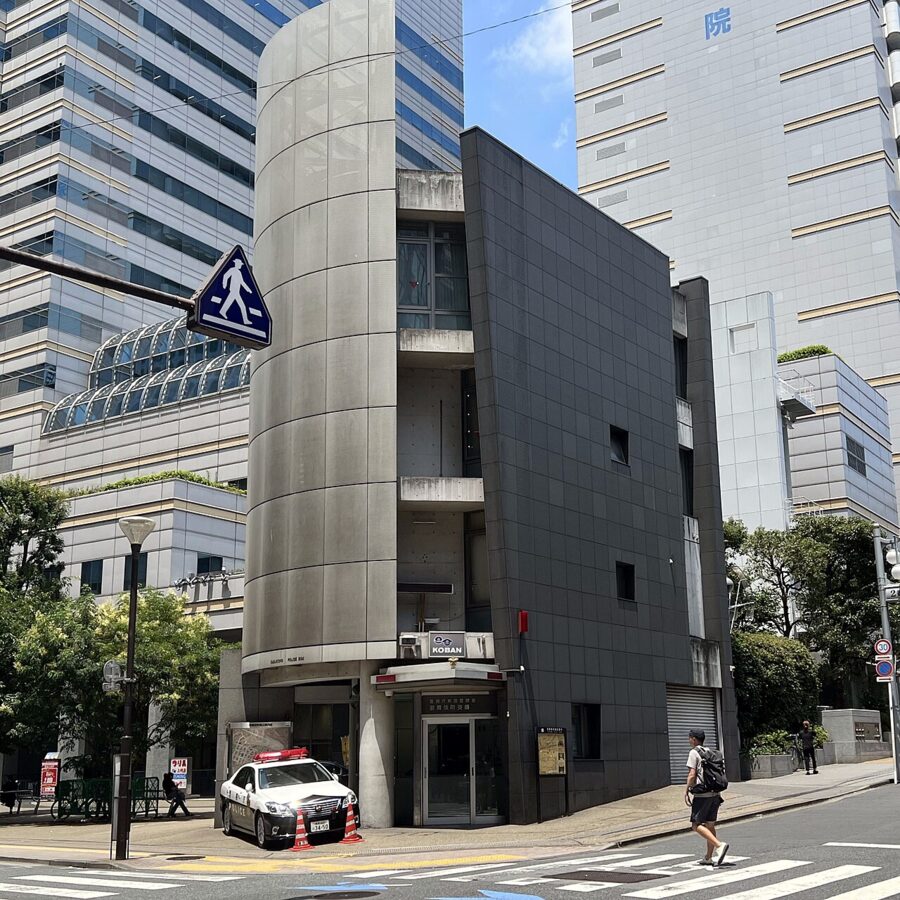
For something that is not urgent, such as a scam you only noticed later, #9110 reaches the police advice centre. The police are plain about the line between the two: if you have just been a victim or seen an accident, ring 110.

Apps worth installing before you fly
Four kinds of app earn their place, all of them better set up at home than on arrival-hall Wi-Fi. As of November 2026 these are the ones I would carry:
- Safety Tips, from the Japan Tourism Agency. The official alert app pushes earthquake early warnings, tsunami warnings and weather warnings in 15 languages, with an evacuation flowchart and phrases for asking people nearby what is happening.
- A route planner. Google Maps handles trains, buses and walking door to door in the cities. Japan Travel by NAVITIME is a Japanese planner made for visitors, and it carries the same disaster alerts as Safety Tips.
- Translation. A camera translator reads menus, signs and ticket machines. VoiceTra, the free speech translator from the national research institute NICT, was briefly suspended in August 2026 over a security flaw and is back; update to version 9.2.1 or later.
- Visit Japan Web, the government’s site for completing the immigration and customs steps before you land, so the airport formalities go faster.
Set the alert app to your language and allow location, or it cannot warn you about the ground you are standing on. Japanese networks also push alerts to phones in the affected area, but whether a roaming phone or a visitor’s eSIM receives them depends on the handset and the plan.
Connectivity in brief
An eSIM, a physical SIM or a rented pocket Wi-Fi router are the three ways in, and the choice between them is set out in the practical information guide. Narita, New Chitose and Fukuoka airports all sell SIM cards at the information desk, and every Category 3 centre has Wi-Fi. Most visitor plans are data-only, which matters later: lost property offices ring back on Japanese numbers.
Lost property: the system that usually works
Japan’s reputation for returning wallets rests on a law as much as on manners. Under the Lost Property Act, whoever finds something hands it to the police or to the operator of the place where it was found, and the police keep it for three months. The trick is to look in the right order.
Start where you lost it. Railway and taxi companies keep lost items themselves for a while, usually about a week, before passing them on to the police, so ring the station or the company first; shops and hotels hold on to things too. Then file a lost property report at any koban or police station; the form is also on the Metropolitan Police lost property pages, filled in ahead and handed over in person, never by email. Things lost outside Japan cannot be reported here.
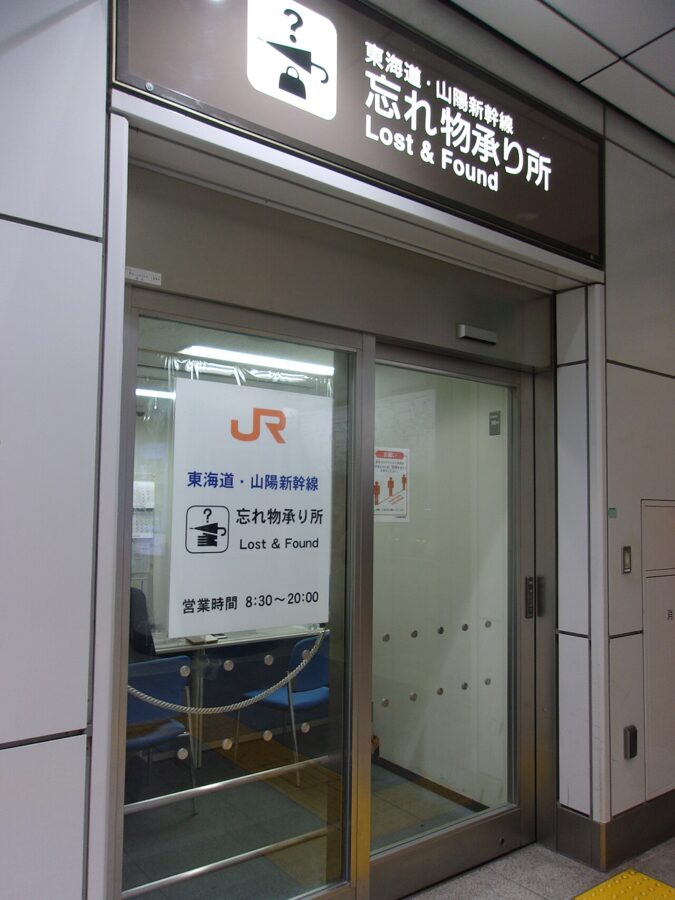

On JR East trains, which cover Tokyo and eastern Japan, the JR East Infoline takes calls about lost property in English, Chinese and Korean on +81-50-2016-1603, 10:00 to 18:00 daily except over the New Year, and JR East’s lost property page has an online chat. Other railways run their own desks; the station staff will tell you which.
The catch for visitors is the phone. The police ring you if something turns up, they need a Japanese number to do it, and as a rule they make no international calls. Give your hotel’s number or a friend in Japan, and keep the report’s reference. Found after you have flown home, an item can only be shipped to an address in Japan, at your cost, so a friend there or a forwarding service is the way to get it out of the country.
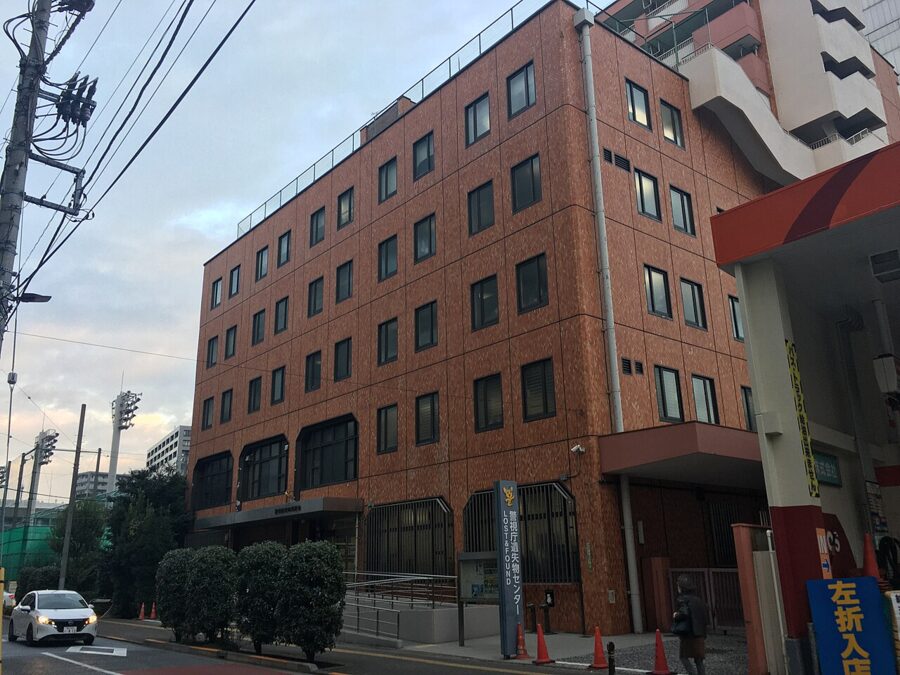

In Tokyo the Lost and Found Center answers on 0570-550-142 from 8:30 to 17:15, and the police run an online database of found items, searchable by type and date, in Japanese only. Lost a card or a phone? Ring the card issuer or the carrier before you do anything else, to stop it being used.
When something goes wrong
A lost or stolen passport
Contact your embassy or consulate first and ask whether they need a police certificate to replace the passport. The certificate comes from the police station that took your loss or theft report, not the Lost and Found Center, so file early and note the station. The embassy then issues a new passport or an emergency travel document and tells you if anything more is needed before you fly. A copy of the photo page, kept apart from your phone, speeds every step.
Ill or hurt
For anything serious, 119. For the question of where to go with a fever or a sprain, the Visitor Hotline will name hospitals near you that see patients in English, and JNTO’s medical search does the same on a map. Insurance, costs, pharmacies and the rules on bringing medicines are set out in the practical information guide, under seeing a doctor.
Earthquake, tsunami, typhoon
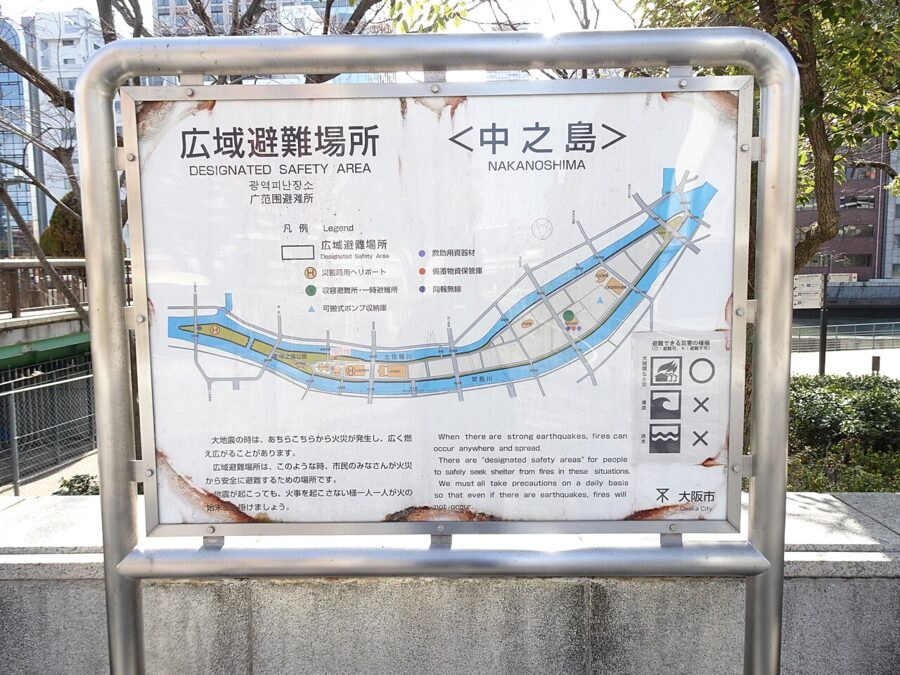
Most visitors feel at least a small earthquake, and the routine is short: protect your head, stay inside while it shakes, then follow staff and announcements. In the cities, parks and riversides are marked as wide-area evacuation sites, the open ground to head for if fires spread after a big quake.

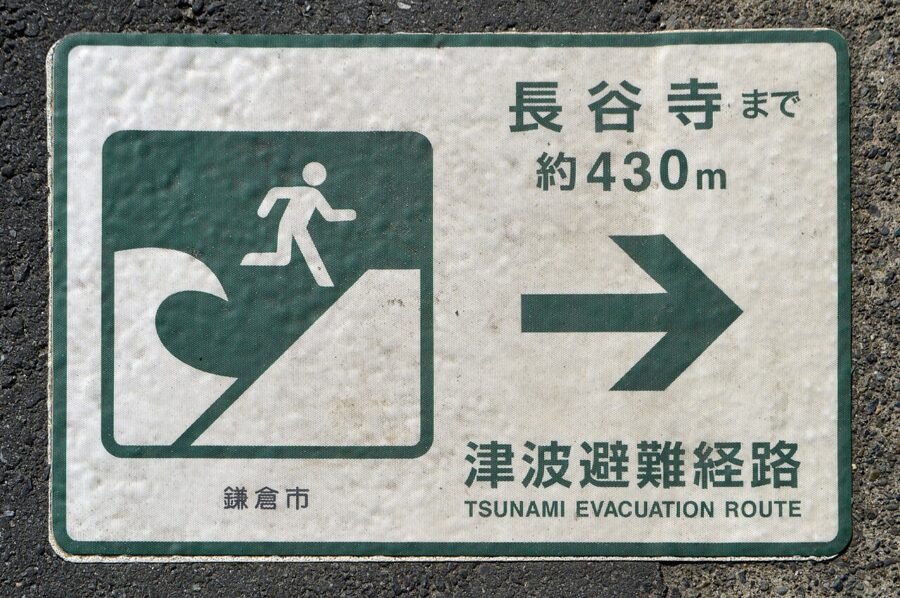
On the coast, a long or violent shake is itself the warning to climb; do not wait for a siren. Green evacuation signs show the way to high ground or to designated buildings, and many coastal towns mark the height above sea level on walls and posts.
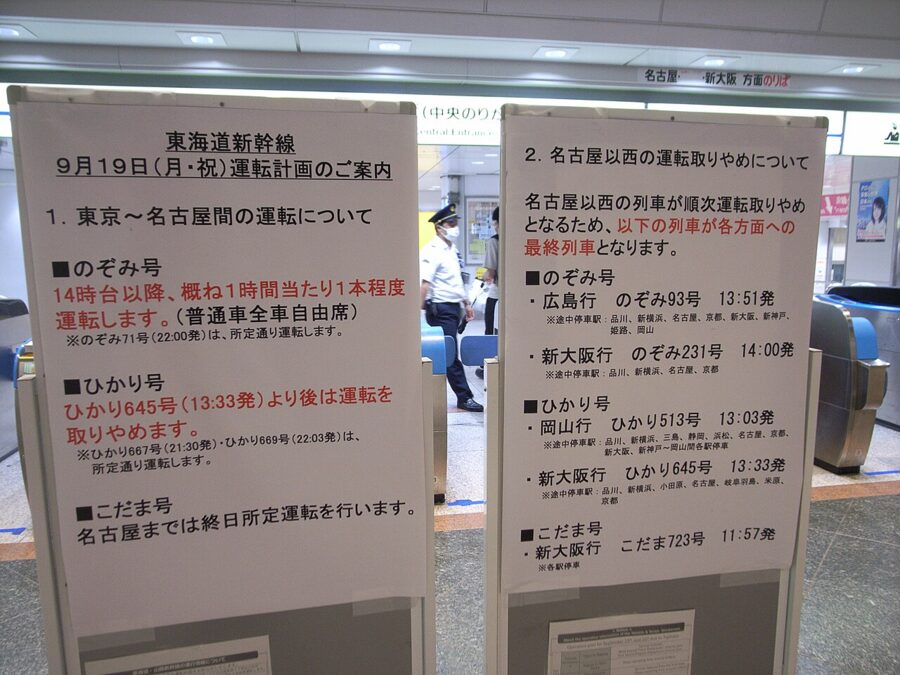
Typhoons come with days of warning, and the rail operators often announce planned suspensions a day ahead. When the trains stop, ask the information centre or the Visitor Hotline about tomorrow. JNTO posts English updates under Japan Safe Travel Information when a disaster disrupts travel. The newer earthquake advisories, and what to do when one is in force, are explained in the practical information guide.

Most of the time, though, nothing goes wrong, and the counter at the station is simply where you learn which bus goes to the gorge. Find it in Kakunodate, under the weeping cherry by the station, and you will start looking for the next one before the train pulls in.