
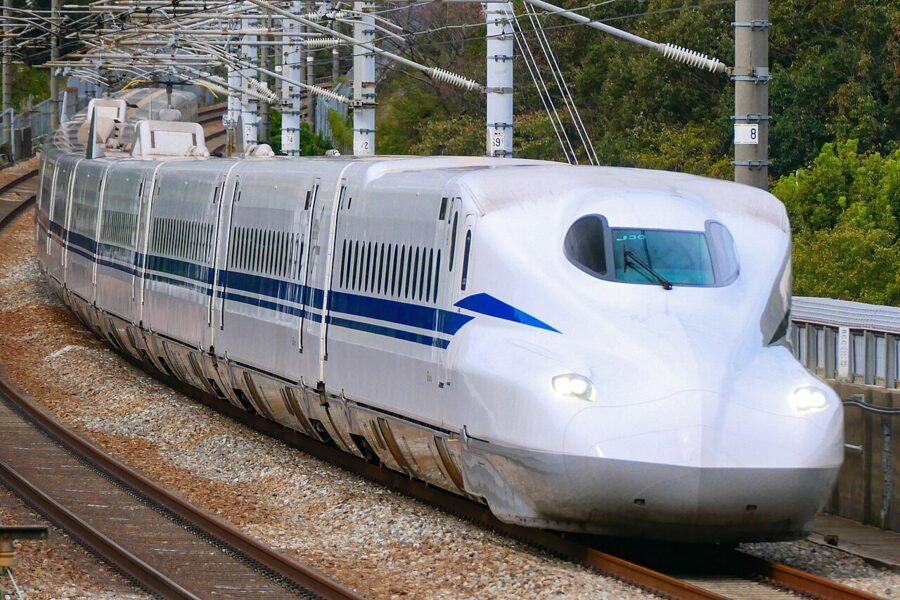
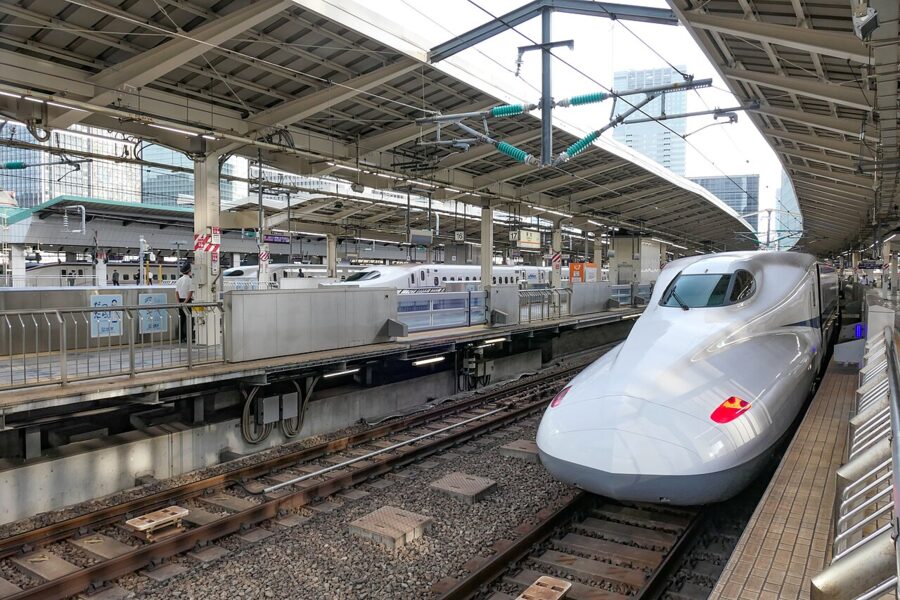
At the busiest times, up to twelve Nozomi trains an hour leave Tokyo for Osaka, and catching one is the easy part of rail travel in Japan. The bullet train runs on its own tracks, its platforms are signed in English, and the car number painted on the platform tells you where to stand. What takes longer is everything around it: which company runs the line in front of you, which ticket it wants, and whether the card in your pocket will open the gate.
Start with the companies. Seen by rail, the map of Japan is a patchwork of operators, and knowing which one runs your line explains most of the rest: which machine sells the ticket, which pass works, and why one station name turns up three times on the map.

Fares, rules and dates below are as of November 2026. Several changed in the past year and more are already announced, so the dates are given where they fall.
Contents
Who runs Japan’s railways
Japan has no single national railway. Japanese National Railways was split in 1987 into six regional passenger companies (JR Hokkaido, JR East, JR Central, JR West, JR Shikoku and JR Kyushu) plus a freight operator. The six still run most long-distance lines, including every Shinkansen, and share a brand and the Japan Rail Pass, but each sets its own prices, website and luggage rules.
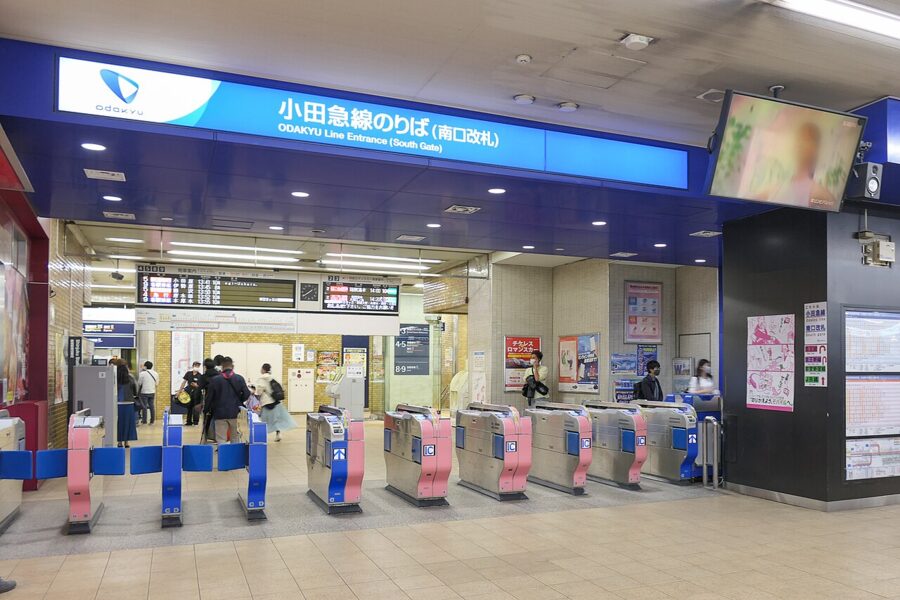
Alongside JR run dozens of private railways. Around Tokyo the big ones are Tokyu, Odakyu, Keio, Seibu, Tobu, Keisei and Keikyu; around Osaka, Hankyu, Hanshin, Keihan, Kintetsu and Nankai. Many grew into property and department-store groups, which is why their termini sit under their own shops, and a private line is often the quickest way to a particular suburb, temple town or airport.

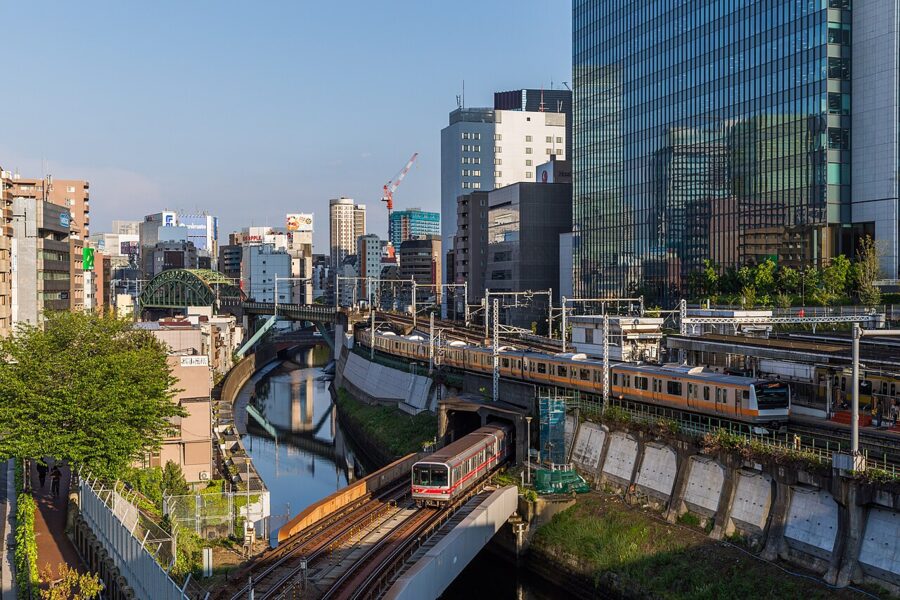
Then the subways. Tokyo has two operators, Tokyo Metro with nine lines and the city-run Toei with four; Osaka, Nagoya, Kyoto, Kobe, Yokohama, Sapporo, Sendai and Fukuoka run their own. Many subway lines carry on beyond the city onto private or JR tracks, so one train can start as a suburban service and finish on the far side of town under another company’s name.
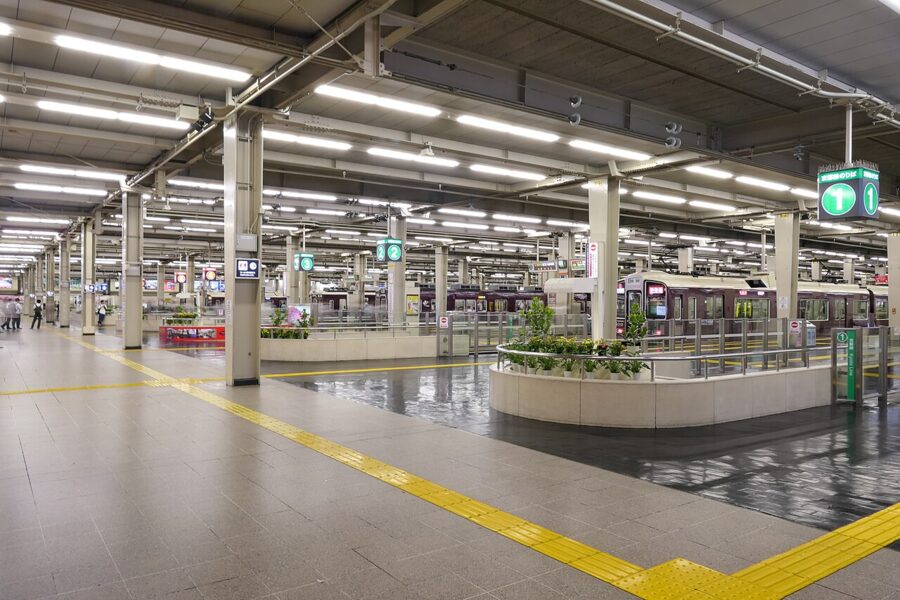
That is why changing trains sometimes means leaving one set of gates and entering another. In Osaka, JR Osaka Station, Hankyu and Hanshin’s Osaka-Umeda and the subway’s Umeda are separate stations around the same few blocks. Each change of company usually means a new fare, though an IC card adds it all up for you.

Local, rapid, express: reading the train type
Departure boards show a train type before the destination. A local (各駅停車 or 普通) stops everywhere; rapid (快速) and express (急行) trains skip more stations, and on JR none of them costs extra. A JR limited express (特急, tokkyu) is different: it needs a limited express ticket on top of the fare.
Private railways muddy this. On Keio, Keikyu, Hankyu or Tokyu a “limited express” is just a faster commuter train at no extra cost, while Odakyu’s Romancecar to Hakone and Kintetsu’s limited expresses to Nara and Ise need a seat ticket. The line map on the platform shows which stations each type serves, usually in English.
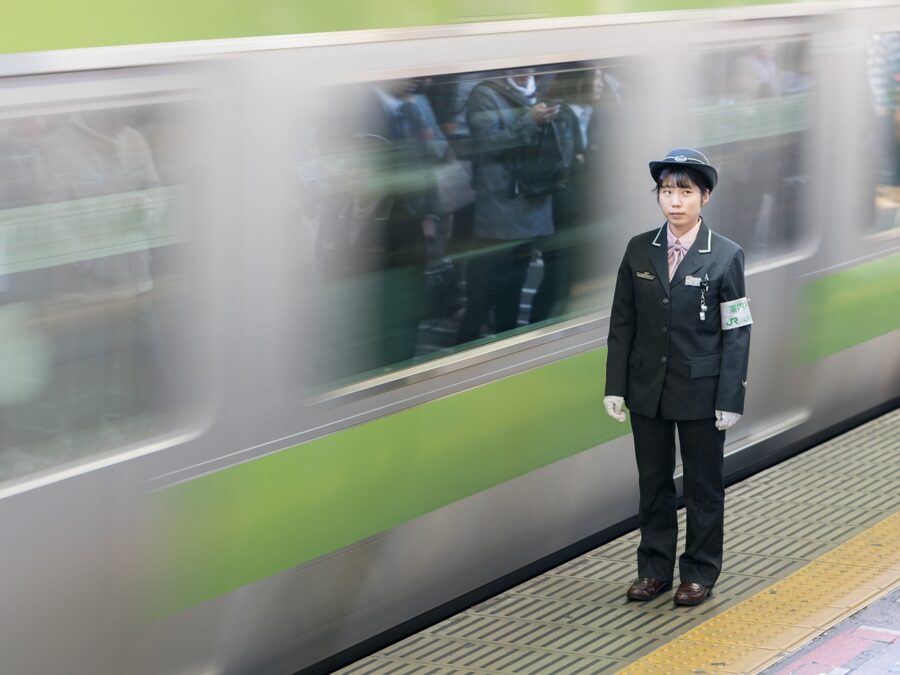
Most big-city stations also carry a number: a line code and a station number, such as JY17 for Shinjuku on the Yamanote Line. When the announcement goes past in a blur, the numbers let you count down your stops.

The Shinkansen lines
The Shinkansen opened between Tokyo and Osaka in 1964 and now runs from Hokkaido to the south of Kyushu, on its own standard-gauge tracks separate from the narrower JR network. Two branches, to Yamagata and Akita, are “mini-Shinkansen” that leave the high-speed line and run more slowly on widened ordinary track for the last stretch.
| Line | Route | Main trains (fastest first) | Typical fastest time |
|---|---|---|---|
| Tokaido | Tokyo to Shin-Osaka | Nozomi, Hikari, Kodama | Tokyo to Shin-Osaka 2 hr 30 min |
| Sanyo | Shin-Osaka to Hakata | Nozomi, Mizuho, Hikari, Sakura, Kodama | Tokyo to Hakata 5 hr |
| Kyushu | Hakata to Kagoshima-Chuo | Mizuho, Sakura, Tsubame | Hakata to Kagoshima 1 hr 20 min |
| Nishi-Kyushu | Takeo-Onsen to Nagasaki | Kamome | Hakata to Nagasaki 1 hr 20 min, with one change |
| Tohoku | Tokyo to Shin-Aomori | Hayabusa, Hayate, Yamabiko, Nasuno | Tokyo to Shin-Aomori 3 hr |
| Hokkaido | Shin-Aomori to Shin-Hakodate-Hokuto | Hayabusa, Hayate | Tokyo to Shin-Hakodate-Hokuto 4 hr |
| Yamagata (mini) | Fukushima to Shinjo | Tsubasa | Tokyo to Yamagata 2 hr 30 min |
| Akita (mini) | Morioka to Akita | Komachi | Tokyo to Akita 3 hr 45 min |
| Joetsu | Tokyo to Niigata | Toki, Tanigawa | Tokyo to Niigata under 2 hr |
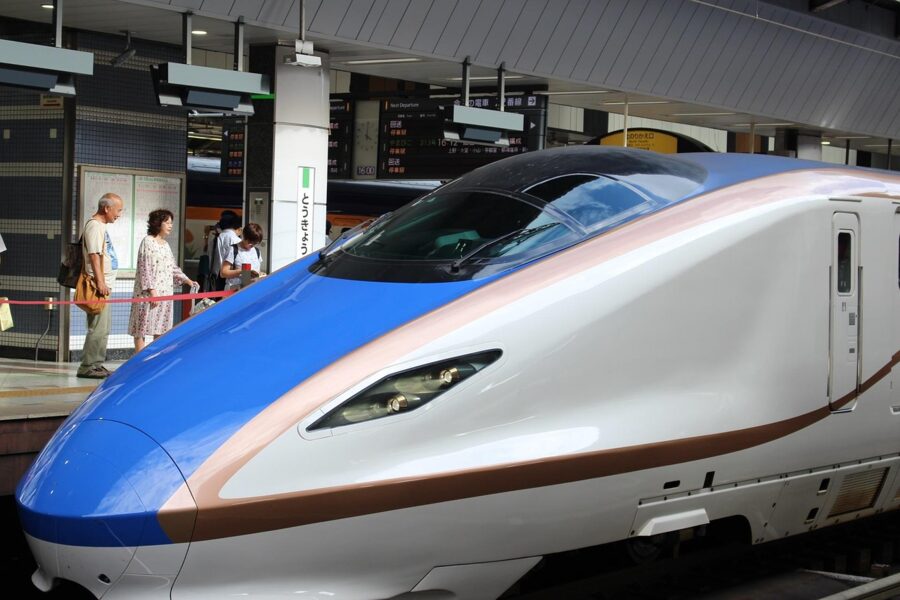
| Hokuriku | Tokyo to Tsuruga | Kagayaki, Hakutaka, Asama, Tsurugi | Tokyo to Kanazawa 2 hr 30 min |
The Hokuriku line reached Tsuruga in Fukui Prefecture in March 2024; from there limited expresses run on to Kyoto and Osaka, and the onward Shinkansen is still only planned. The Hokkaido line’s extension to Sapporo is under construction and years behind its original date, so Sapporo means a change at Shin-Hakodate-Hokuto and about three and a half more hours by limited express, or a flight.
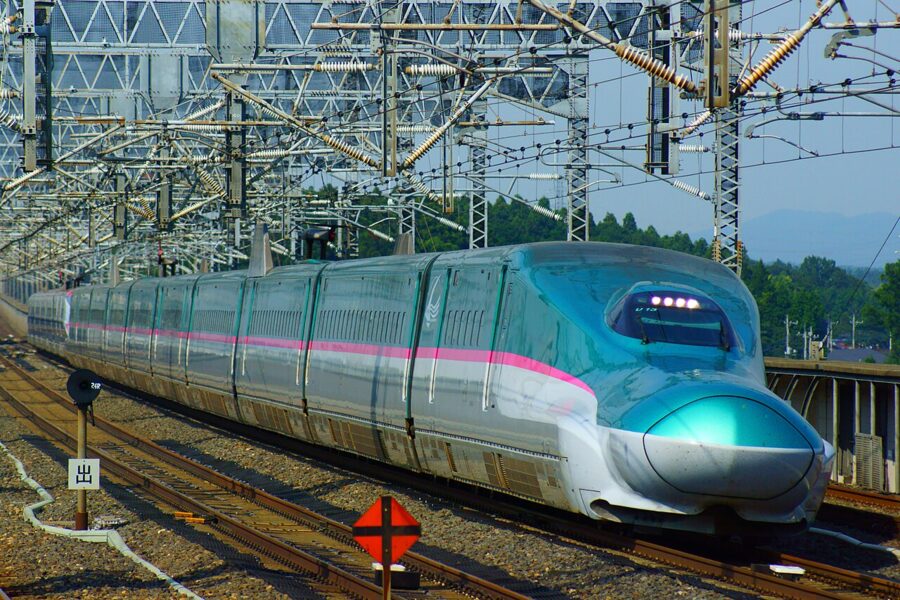

In the north the Tohoku routes fan out from Sendai and Morioka, and the mini-Shinkansen saves a change to Akita and Yamagata. For the Chubu region the lines split at Takasaki: the Joetsu line tunnels north to Niigata through the snow belt where Yasunari Kawabata set Snow Country, and the Hokuriku line climbs to Nagano and Kanazawa.

Nozomi, Hikari, Kodama and the rest
Every line names its trains by stopping pattern. On the Tokaido line the Nozomi makes the fewest stops, the Hikari a few more, and the Kodama stops everywhere. From Tokyo to Shin-Osaka the Hikari takes about half an hour longer than the Nozomi, and the Kodama over an hour longer, much of it spent in side tracks while faster trains pass.
Elsewhere the same logic holds. The Mizuho is the fastest train on the Sanyo and Kyushu lines and the Sakura a close second; in the north the Hayabusa is the fast one. If a smaller town is your stop, check that your train calls there: Odawara, Atami and Mishima on the Tokaido line are served mainly by Hikari and Kodama.
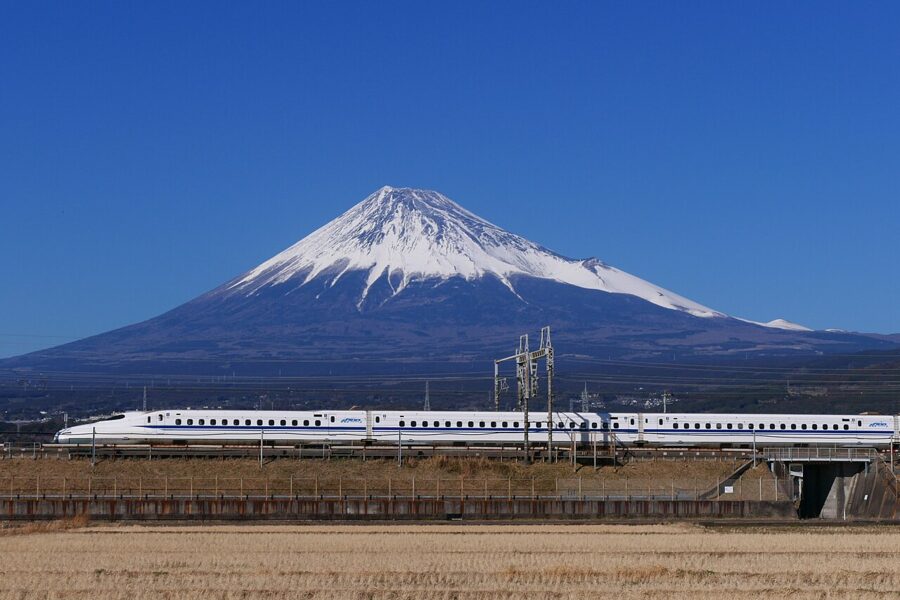

Two Tokaido details catch people out. The trolley that sold coffee and bento through the cars stopped in October 2023, so buy food before boarding. And the smoking rooms went in March 2024; every Shinkansen is now entirely non-smoking.
Reserved, non-reserved and Green cars
Non-reserved cars (自由席, jiyuseki) take whoever gets there first and cost less; on a Nozomi they are cars 1 to 3. Reserved cars (指定席, shiteiseki) give you a numbered seat. Green cars are first class, with wider seats in rows of two and two, for a supplement.
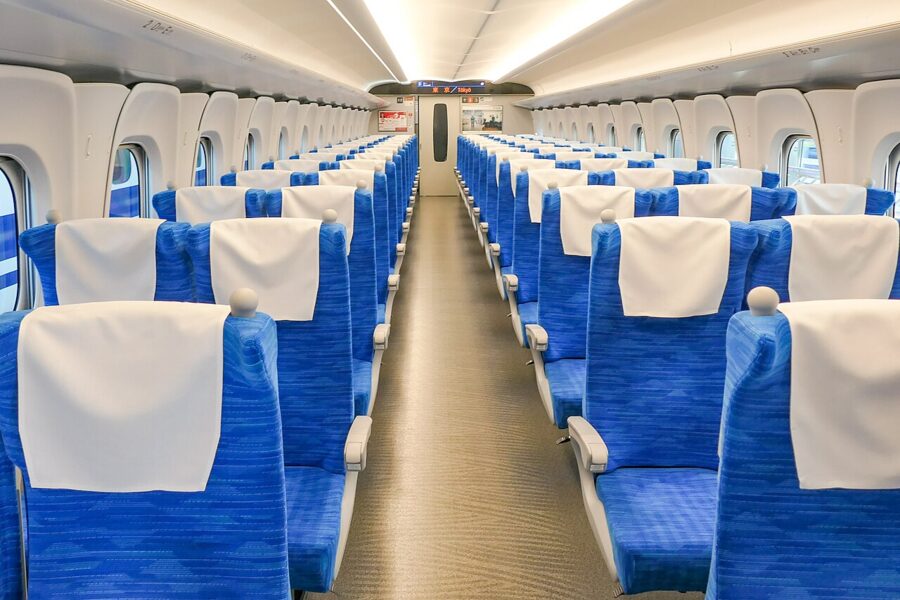

The Hayabusa and Kagayaki add Gran Class, a single car of eighteen leather seats above Green. Since 1 October 2026, JR Central has also sold Supreme Class, private cabins on some Nozomi: one for up to two people in car 7 costs ¥60,790 (about £290 / $385) from Tokyo to Shin-Osaka in the regular season, and a single cabin in car 10 costs ¥42,390 (about £205 / $265), both booked only through the Smart EX service.
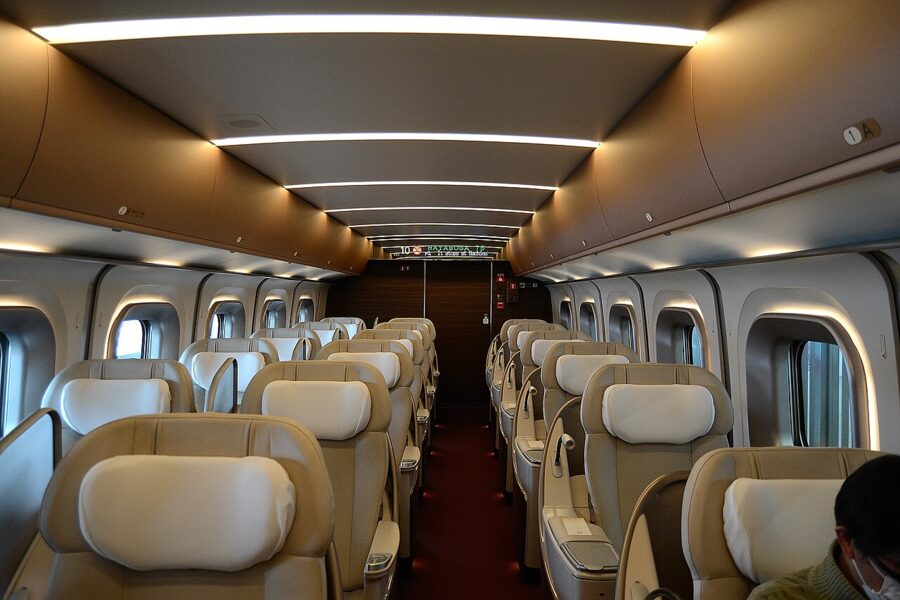

Some fast trains have no non-reserved cars at all. The Hayabusa, Komachi and Kagayaki are almost entirely reserved, and every Nozomi becomes reserved during the holiday peaks (dates below). On those days a non-reserved ticket lets you stand in the vestibule and guarantees nothing.
Tickets: paper, IC card, QR and contactless
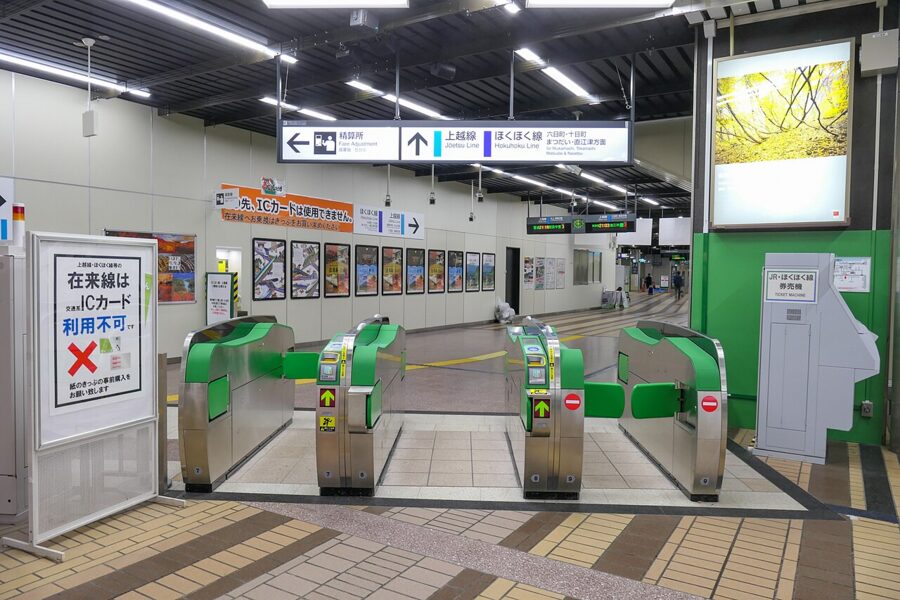
There are now four ways through a Japanese ticket gate, and you will probably use two. For city trains a rechargeable IC card or phone is all you need. For the Shinkansen and limited expresses you need a ticket that carries a seat, on paper, as a QR code or linked to a card through an online booking.
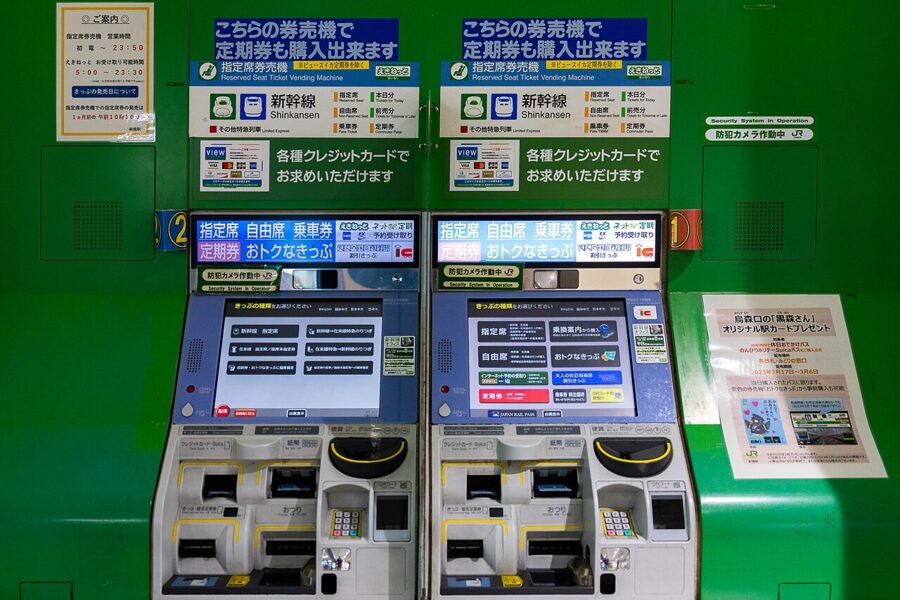

Buying a ticket at the machine
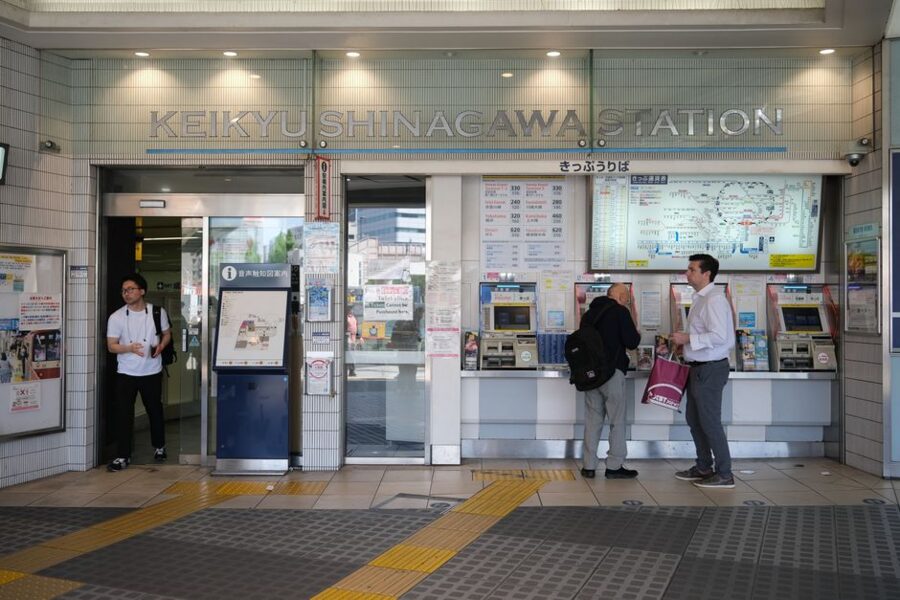
Above the machines hangs a fare map: your station in the middle, every other station marked with the price to reach it. Buy a ticket for that amount and put it through the gate. If the map defeats you, buy the cheapest ticket and pay the difference at the fare adjustment machine (精算機) beside the exit gates; nobody minds.
JR East raised fares by an average of 7.1 percent on 14 March 2026, and its cheapest ticket is now ¥160 (under £1 / about $1). The change also scrapped the lower fare scale that covered the Yamanote Line, so short hops in central Tokyo cost noticeably more than a year ago.
Suica, ICOCA and the other IC cards
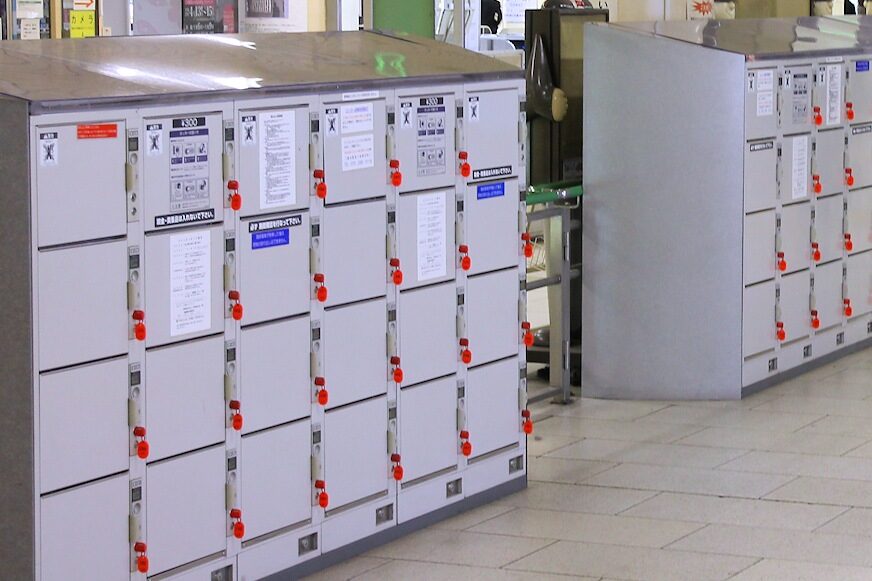
An IC card is a prepaid smart card you tap on the gate going in and coming out. Ten cards from different companies work in each other’s areas: Suica, PASMO, ICOCA, TOICA, manaca, Kitaca, SUGOCA, nimoca, Hayakaken and PiTaPa, so buy whichever is sold where you land. The same card pays at convenience stores, vending machines and coin lockers, which helps with shopping for small things.
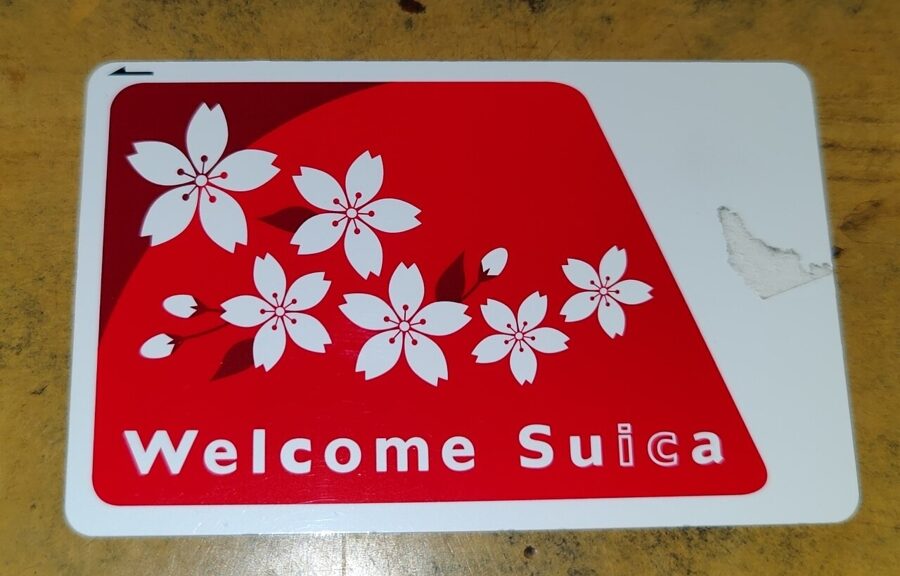

Supply is back to normal after a chip shortage that stopped most sales from 2023. Ordinary Suica and PASMO cards returned in March 2025, according to JR East’s announcement, with a ¥500 deposit (about £2 / $3) returned when you hand the card back. The Welcome Suica is sold at the Tokyo airports.
On a phone it is simpler still. An iPhone can carry Suica, PASMO or ICOCA in Apple Wallet, and JR East’s Welcome Suica Mobile app (iOS only) issues a visitor card before you leave home. Android phones need a Japanese model with the FeliCa chip, so most foreign Android users still need a plastic card.
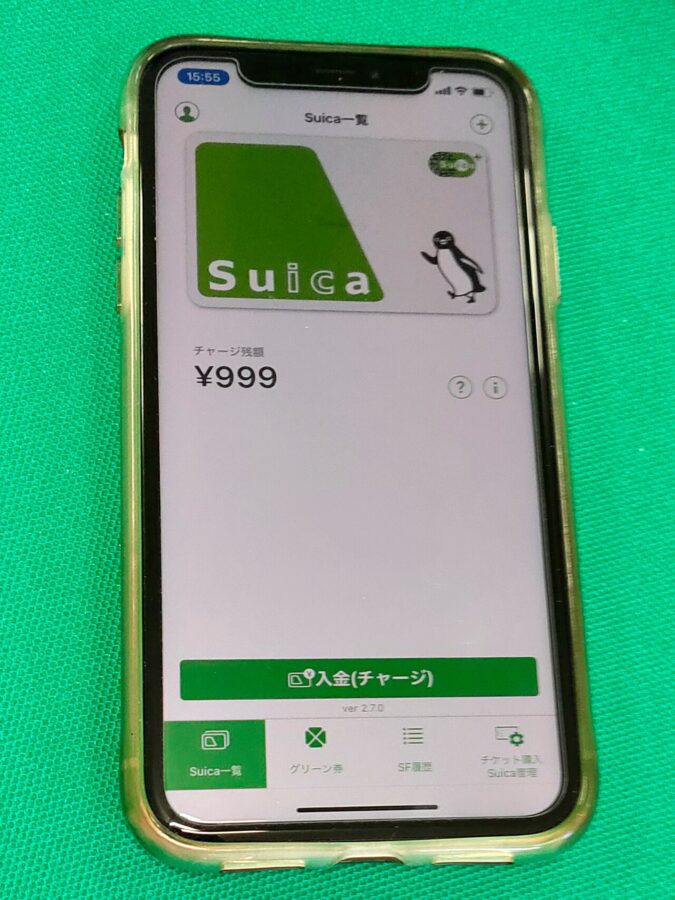

Three limits are worth knowing. The balance tops out at ¥20,000 (about £96 / $126). A journey must start and end inside one IC area, so you can’t tap in at Tokyo and out at Nagoya on an ordinary line. And an IC card alone pays only the basic fare, not a Shinkansen seat, unless you link the booking to it online.
Contactless bank cards and QR tickets
Since 25 March 2026, eleven operators around Tokyo, among them Tokyo Metro, the Toei subway, Odakyu, Keio, Keikyu, Seibu, Tokyu and Tobu, have shared one tap-to-ride scheme for bank cards. Visa, Mastercard, JCB, American Express, Diners Club, Discover and UnionPay all work. You pay the adult fare (there is no child fare), the card must be in your own name, and you must tap out with the same card or phone you tapped in with.
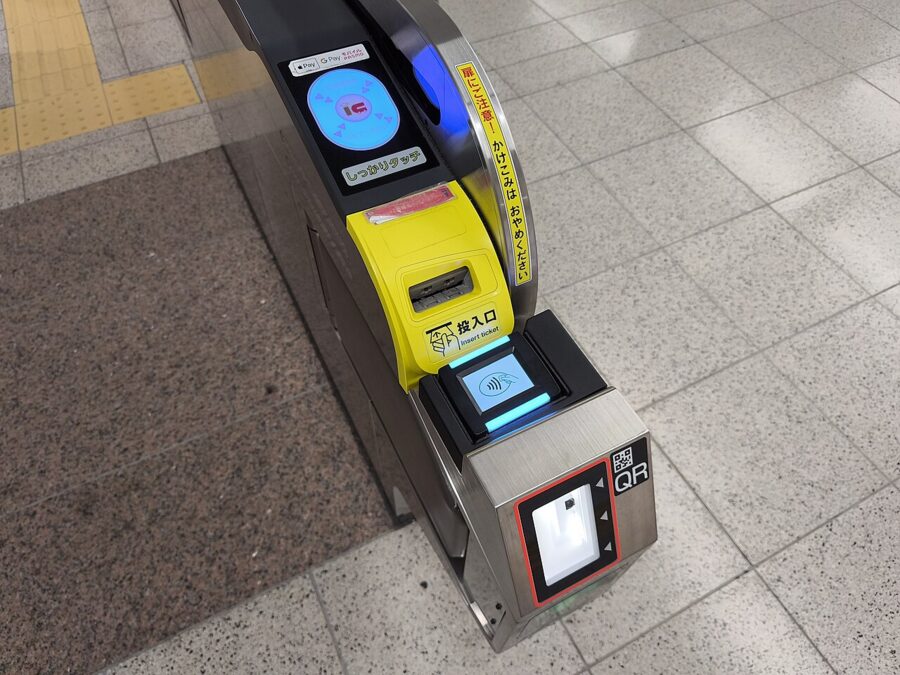

JR East is not part of it, so JR lines in Tokyo, the Yamanote included, still want an IC card or a ticket. In Osaka, the Osaka Metro accepts contactless cards across the subway, and some Kansai private railways do too.
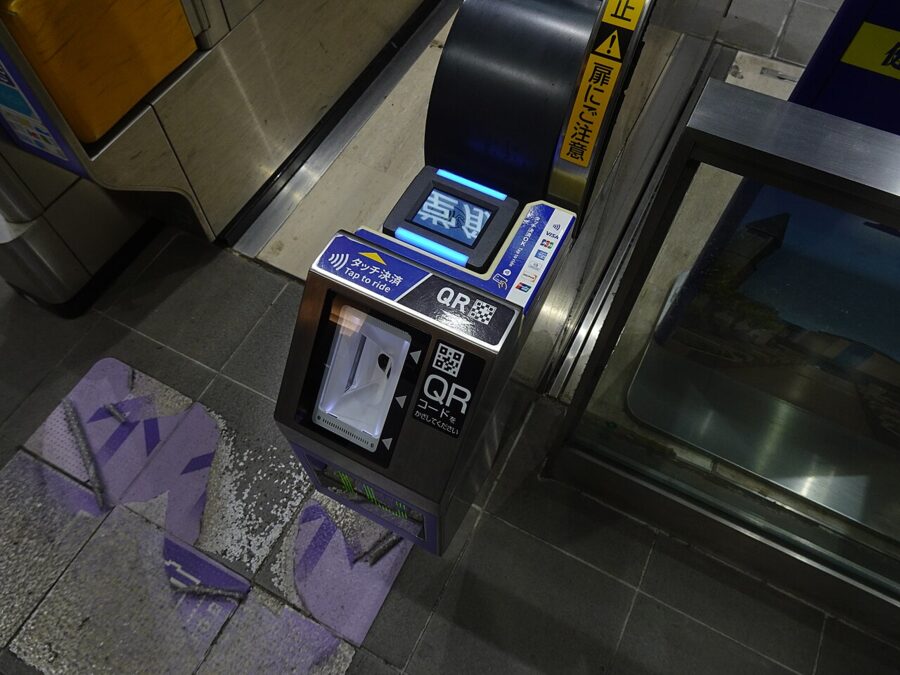

QR tickets are the other change. JR East’s Eki-net sends a QR code to your phone that opens the gate, and from 1 November 2026 it works across the whole JR East area, Shinkansen included, months earlier than planned, according to JR East’s announcement. A QR ticket can’t be combined with an IC card or paper ticket on the same journey.
The two-part Shinkansen ticket
A paper Shinkansen ticket has two parts: the basic fare (乗車券) and the limited express ticket (特急券) that pays for speed and seat. Where you hold two cards, feed both into the gate together and it keeps or returns them as needed.
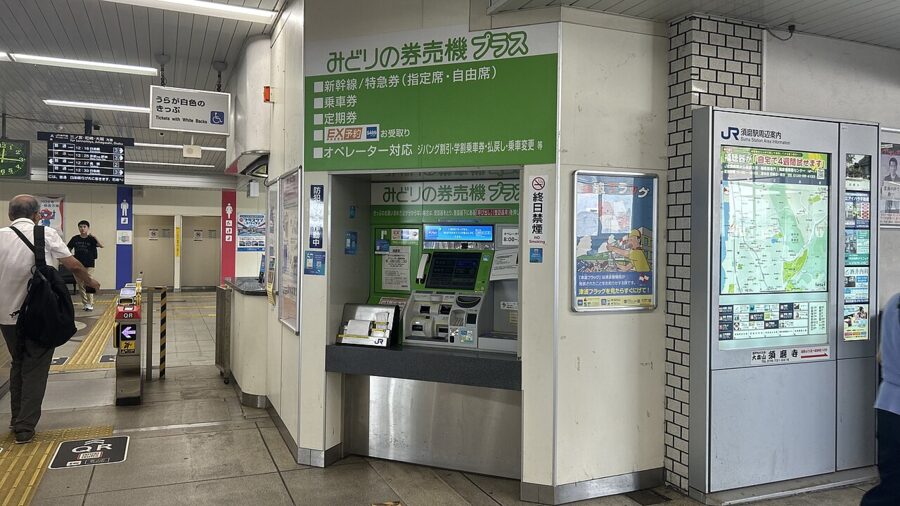
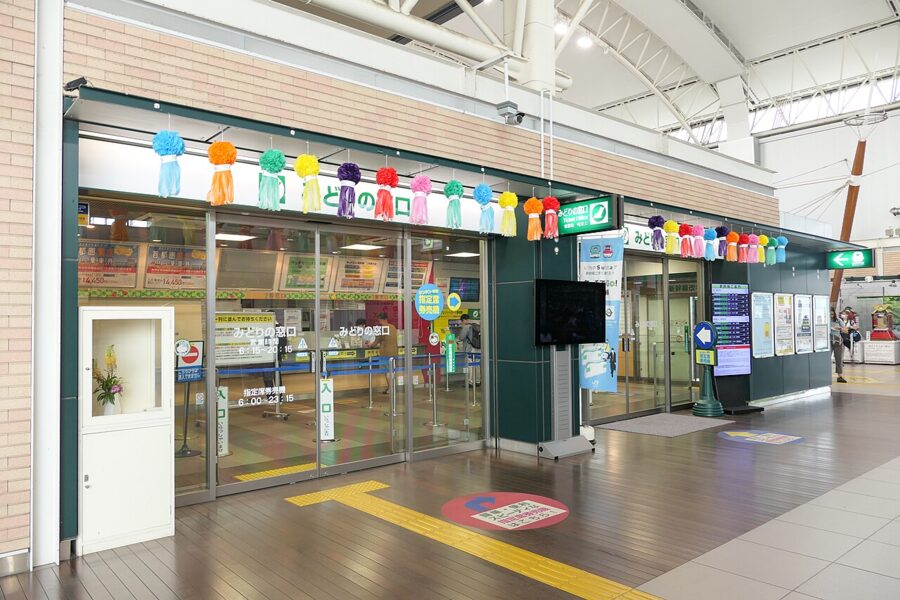
For anything complicated (a pass, a refund, a route with several changes), go to a staffed JR ticket office, the Midori no Madoguchi (みどりの窓口), under a green sign. JR has been closing them at smaller stations and queues at the big ones can be long in high season, so book online where you can.

Reserving seats, and the weeks to avoid
Each JR company sells its own seats online in English: Smart EX for the Tokaido, Sanyo and Kyushu Shinkansen, JR-EAST Train Reservation for JR East’s lines and JR-WEST Online Train Reservation for JR West’s. They take foreign credit cards, and most let you link the booking to an IC card or collect paper tickets at a machine.
Reserved seats go on sale a month before travel at 10am. Smart EX now releases part of each train a full year ahead, according to JR Central’s Nozomi page. In an ordinary week, booking a day or two ahead is plenty; at the peaks it is not.
The peaks are Golden Week at the start of May, Obon in mid-August and the New Year holiday, and JR Central and JR West also make every Nozomi reserved on several long weekends. The Hikari, Kodama, Mizuho and Sakura keep their non-reserved cars throughout.
| Period | Every Nozomi reserved |
|---|---|
| New Year | 25 December 2026 to 5 January 2027 |
| Coming of Age Day weekend | 9 to 11 January 2027 |
| Spring equinox weekend | 20 to 22 March 2027 |
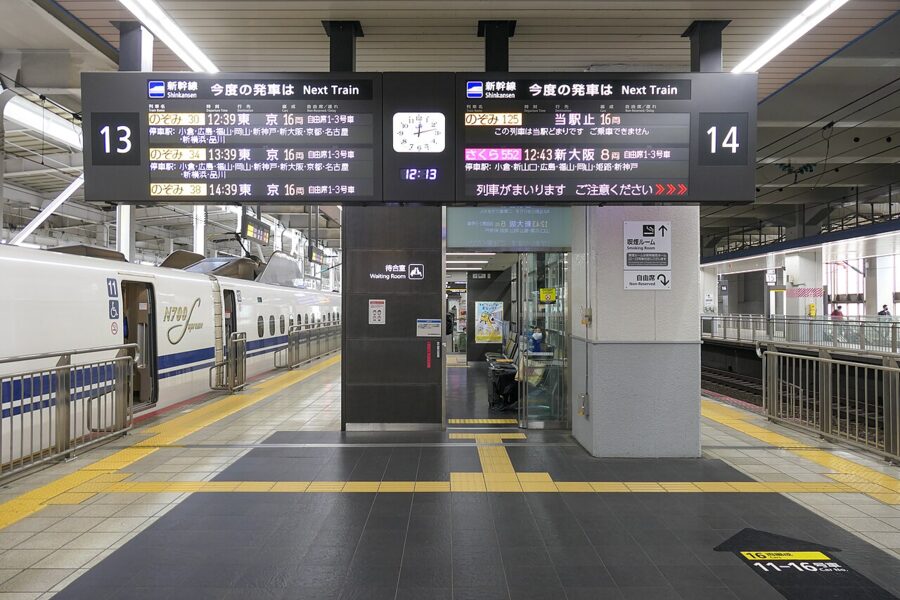

Prices move too, slightly lower in quiet weeks and a few hundred yen higher at peaks. A reserved Nozomi seat from Tokyo to Shin-Osaka costs ¥14,720 (about £71 / $93) in the regular season, fare included.
That is going up. JR Central and JR West have announced that Nozomi and Mizuho reserved seats bought from 1 July 2027 will cost more, ¥15,420 (about £74 / $97) for Tokyo to Shin-Osaka, while non-reserved seats and the Hikari and Kodama stay as they are. Green car supplements on both lines rise for travel from 15 December 2027.
Avoid the commuter peaks as well. Between about 7:30 and 9:30 on weekday mornings Tokyo’s lines into the centre are full to the doors. Last trains in the big cities leave around midnight, so before a late night out, check yours.
Luggage on the Shinkansen
On the Tokaido, Sanyo, Kyushu and Nishi-Kyushu lines, a bag whose length, width and height add up to between 161 and 250 cm needs a reserved “seat with an oversized baggage area”, a back-row seat with space behind it. It costs the same as any reserved seat; without one you pay a ¥1,000 (about £5 / $6) fee on board. Anything over 250 cm can’t travel, and the oversized baggage rules exempt sports equipment, instruments, wheelchairs and pushchairs.
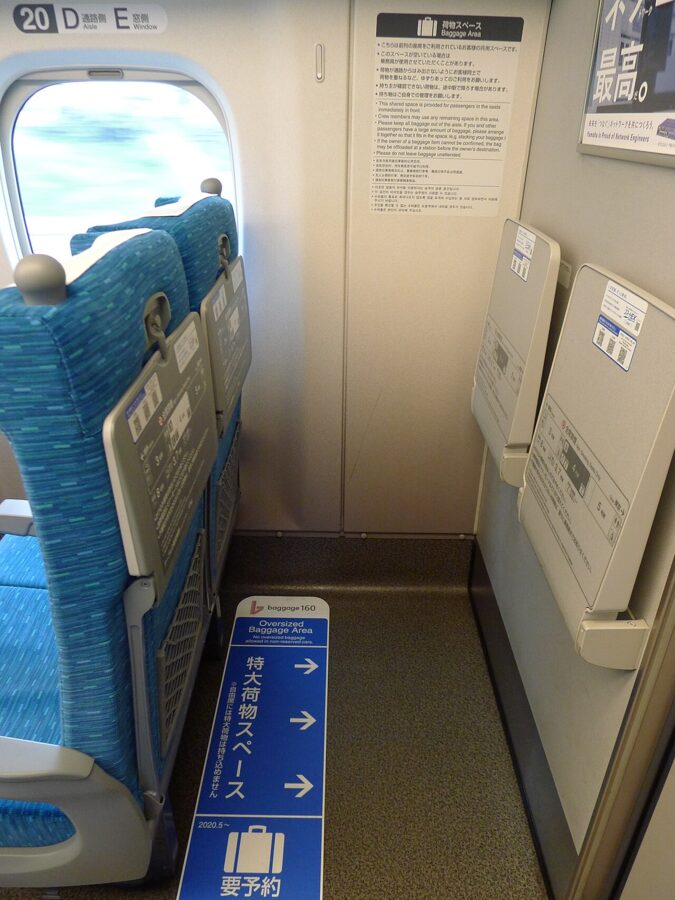

Book these seats at ticket machines, through Smart EX or the JR West and JR Kyushu sites, or through the Japan Rail Pass reservation site. JR Central also lets anyone use the deck baggage compartments on some reserved cars, on a trial basis. On JR East’s lines (the Tohoku, Joetsu, Hokuriku and Hokkaido Shinkansen) no reservation is required, and space is first come, first served.
Each passenger may carry two items of up to 30 kg, up to 250 cm in combined size and two metres long. A big case is miserable on commuter trains and station stairs long before it breaks a rule, so many travellers send it ahead by courier, usually arriving the next day between the main cities, and ride with a daypack.

How to behave on a Japanese train
Most of the rules are unwritten and obvious once you see them. Marks on the platform show where each car’s doors will stop, and people queue beside them, leaving the middle clear. When the doors open, everyone waits for passengers to get off, then boards in order.
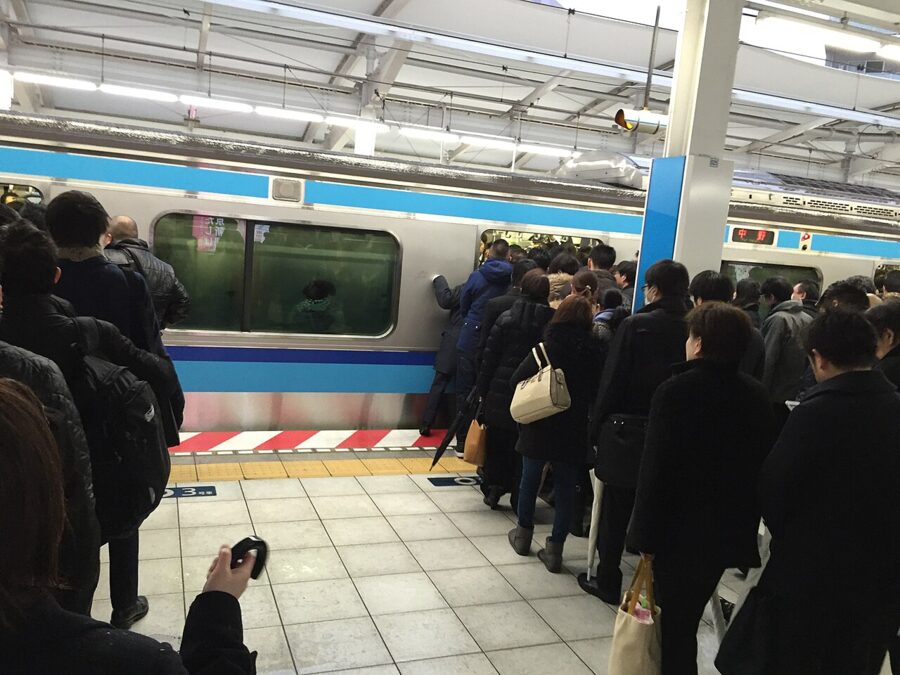

Phones go on silent, which Japanese calls manner mode, and calls happen in the vestibule, not your seat. Conversation stays quiet. Backpacks come off and go on the rack or in front of you when the carriage is full.
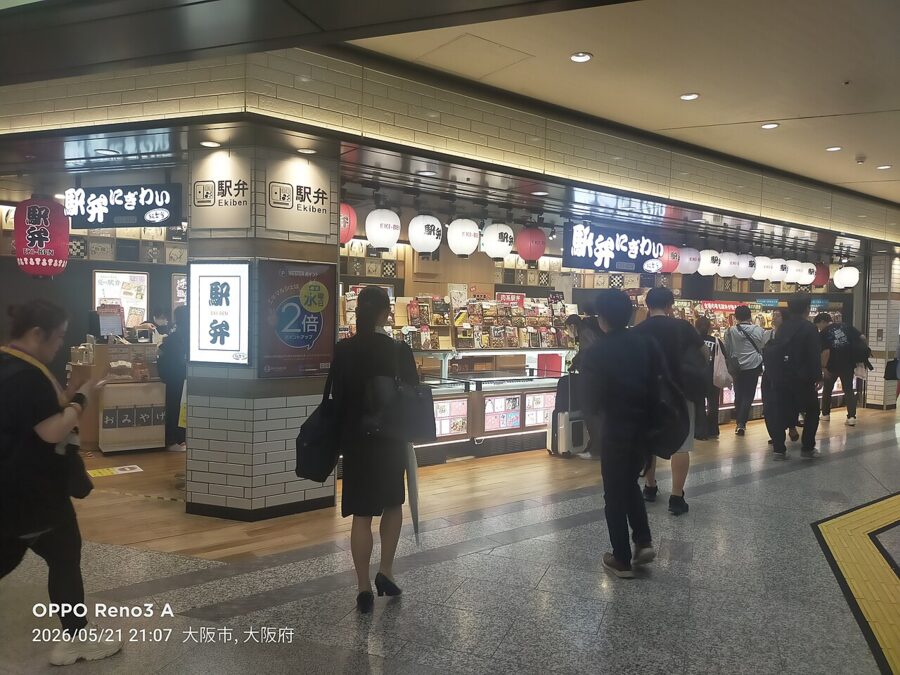
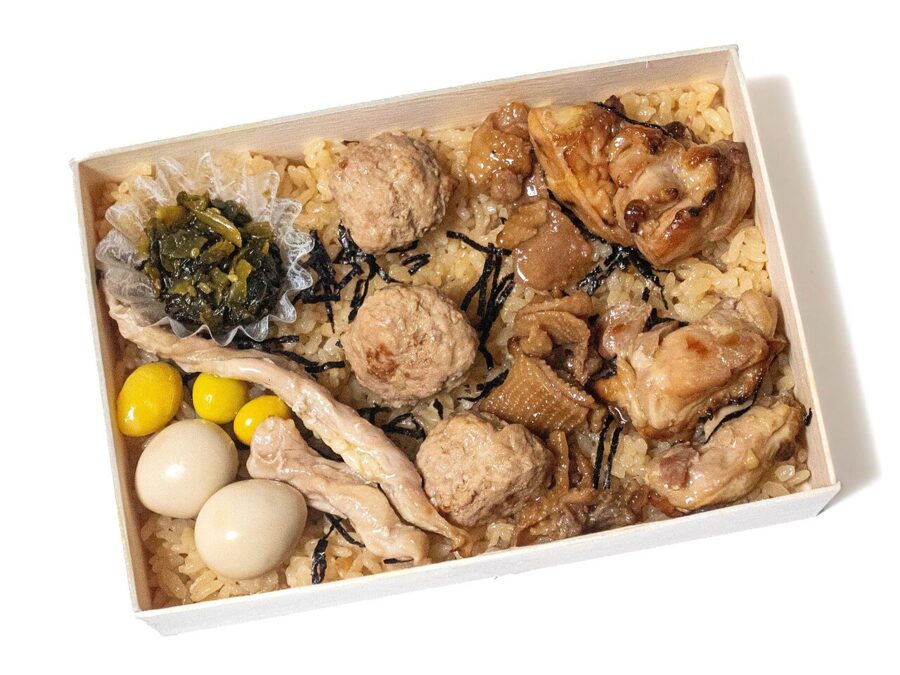
Eating on a commuter train isn’t forbidden, but almost nobody does it. On the Shinkansen and limited expresses it is normal, and the ekiben, a bento made for the journey, is half the reason to take a long train. Take your rubbish with you or leave it in the platform bins.


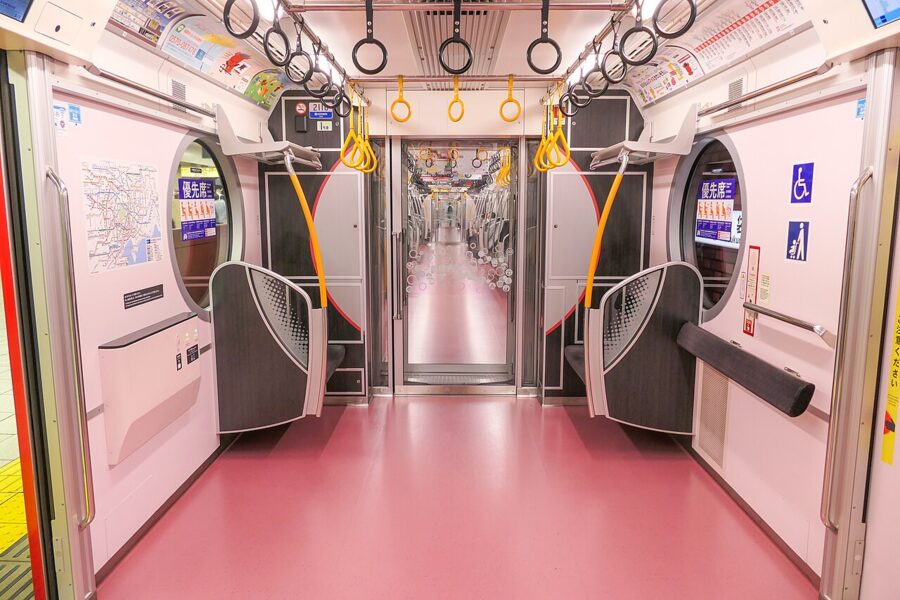
Priority seats (優先席) near the ends of each car are for older passengers, pregnant women, people with disabilities and people with small children. On many Tokyo and Osaka lines one car is women-only at weekday rush hours, marked on platform and train in English.

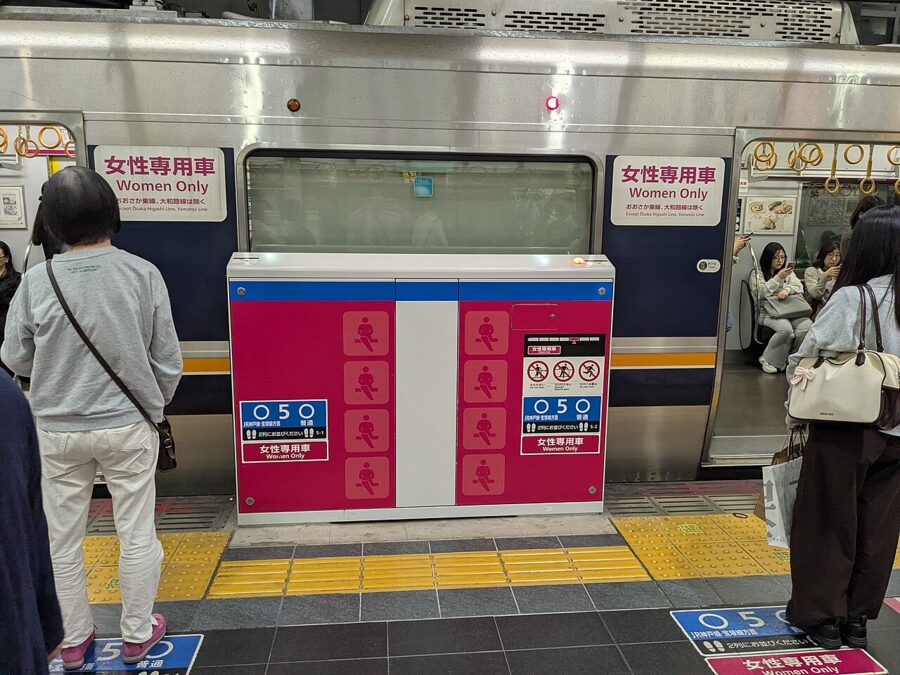

On escalators, Tokyo stands on the left and Osaka on the right. Saitama Prefecture and Nagoya have passed ordinances asking people to stand still on both sides, and station signs say the same, so stand still and keep to whichever side the locals use. On the Shinkansen, glance behind before you recline.
Rail passes, and when they pay
The Japan Rail Pass covers JR trains nationwide, including most Shinkansen, for 7, 14 or 21 consecutive days. Prices rose sharply in October 2023, and an ordinary-class adult pass bought on the official site now costs ¥50,000 (about £240 / $315) for 7 days, ¥80,000 (about £385 / $505) for 14 and ¥100,000 (about £480 / $630) for 21. The Green version costs ¥70,000 (about £335 / $440) for 7 days, and the same ordinary pass bought through an agency abroad costs ¥53,000 (about £255 / $335).
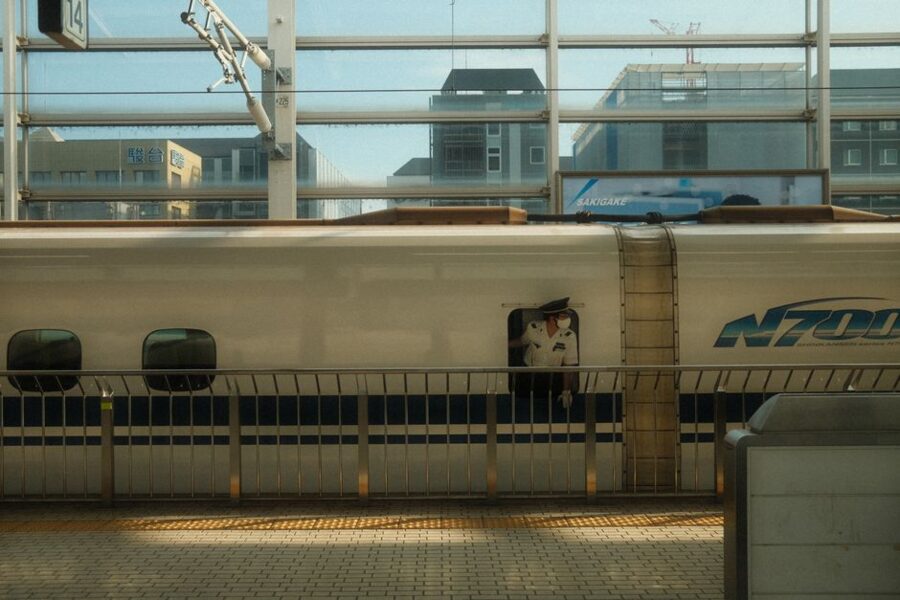
The pass doesn’t cover the Nozomi or Mizuho outright. Holders buy a special ticket for them, ¥4,960 (about £24 / $31) for Tokyo to Shin-Osaka or Shin-Osaka to Hakata. Private railways and subways aren’t covered either, so you still need an IC card in the cities.
The arithmetic is simple. A Tokyo to Osaka return by Nozomi costs about ¥29,400 (about £140 / $185), so a 7-day pass pays only if you add another long trip that week, such as Osaka to Hiroshima and back. For a classic Tokyo, Kyoto and Osaka trip with day trips by private railway, single tickets usually win.
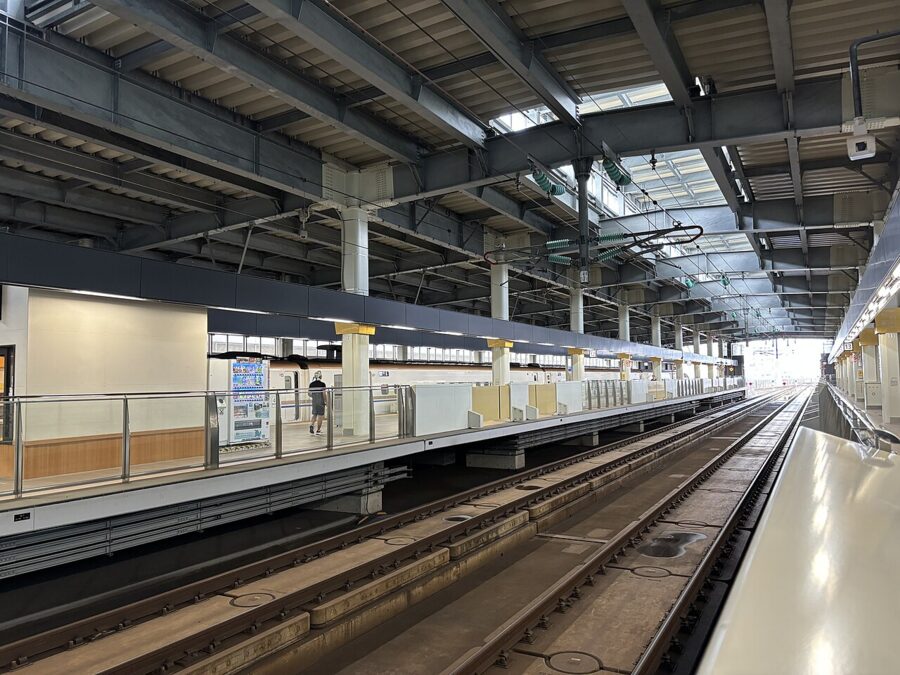

Regional passes are often better value. Every JR company sells passes for its own area, some including private lines, and they are set out with the routes for each region: Kansai for Osaka, Kyoto and Nara, Kyushu for Fukuoka, Nagasaki and Kagoshima, and Shikoku for the island’s loop of limited expresses.
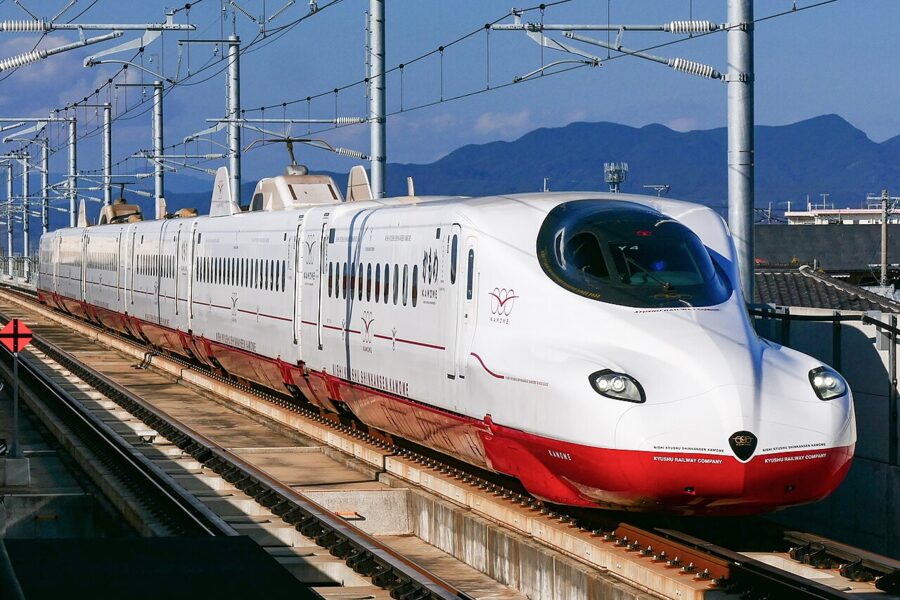

The Kamome shows how often the network stops short. The bullet train across Nagasaki Prefecture isn’t joined to the rest of the Shinkansen, and many of the best places in Japan lie a slow train or a bus beyond the last station. In rural Hokkaido, Kyushu or the Tohoku coast, renting a car can save a day.
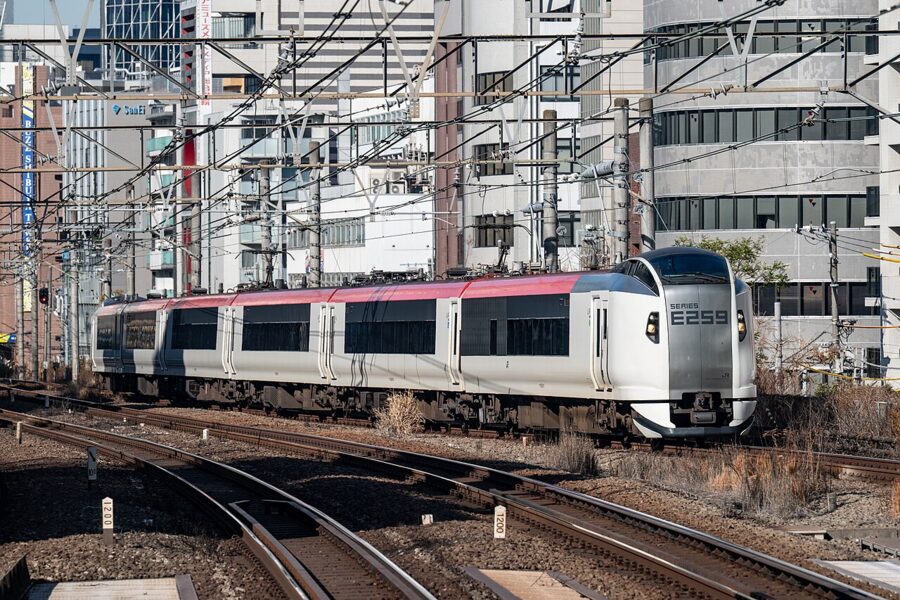

Most visitors meet their first Japanese train at the airport. The ordinary JR, Keisei, Keikyu and monorail services all take IC cards (the Narita Express and Skyliner also need a seat ticket), and the airport stations are the easiest place to buy one. For phone data and money, see the practical information; the tourist information covers the route-planning apps that tell you which platform, which car and which exit.
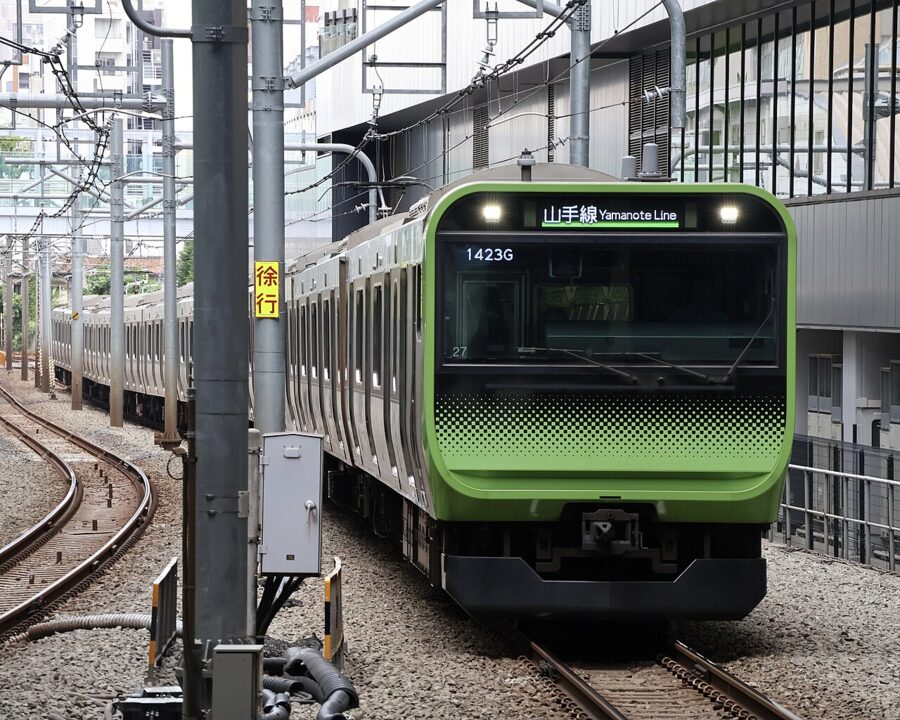

Buy an IC card at the airport, book the long legs a few days ahead, and let the rest happen. By the second day the queue marks on the platform will make sense, and by the third you will catch yourself waiting for the doors to empty before you step on, like everyone else.