
Mie Prefecture (三重県) is about 170 kilometres from top to bottom and barely 80 across, and for most of the last thousand years people walked the length of it for one reason. They came down the Ise road from Kyoto, Osaka and Edo to a forest on the Isuzu River where two plain wooden shrines stand behind fences, and many kept going, over the mountain passes to Kumano. The shrines are still there, rebuilt every twenty years, and so are the passes.
The rest of the prefecture is more varied than a map suggests. The north is Nagoya’s industrial edge along Ise Bay. The middle holds Matsusaka and its beef, the shrine town of Ise (伊勢) and the pearl coast of Toba (鳥羽) and Shima (志摩). Then the coast turns south into some of the wettest, steepest country in Japan, while the inland basin of Iga (伊賀) looks west to Nara and Osaka.
I would give Mie three days at the least, and five with the Kumano coast. Most visitors give it one, see the Inner Shrine, eat a rice cake and catch the train back to Osaka. That wastes a long journey.
Contents
- The shape of Mie
- Ise Jingu: the Outer Shrine first
- Oharaimachi and Okage Yokocho
- Futami and the Wedded Rocks
- Toba: pearls and the ama
- Ago Bay and the Shima Peninsula
- Matsusaka, Suzuka and the north
- Iga: ninja country
- The Iseji: the Kumano Kodo from the Mie side
- Getting there and getting around
- How many days, and in what order
The shape of Mie
Mie is officially part of Kansai, one of the eight regions on the map of Japan, but most of it leans towards Nagoya. The trains give it away: the private Kintetsu railway runs everything that matters between Osaka, Nagoya and Ise, and most JR lines here belong to JR Central, the Nagoya company. Only Iga and Nabari, behind the Nunobiki hills, feel like Osaka commuter country.
Think of it in five pieces. The north (Kuwana, Yokkaichi, Suzuka) is flat and industrial, with the Suzuka mountains on its western edge. The middle runs from the capital, Tsu, through Matsusaka to Ise, and below Ise the Shima Peninsula frays into Ago Bay. South of that lie Owase (尾鷲) and Kumano (熊野), squeezed between mountains and sea, and Iga sits apart in the west.
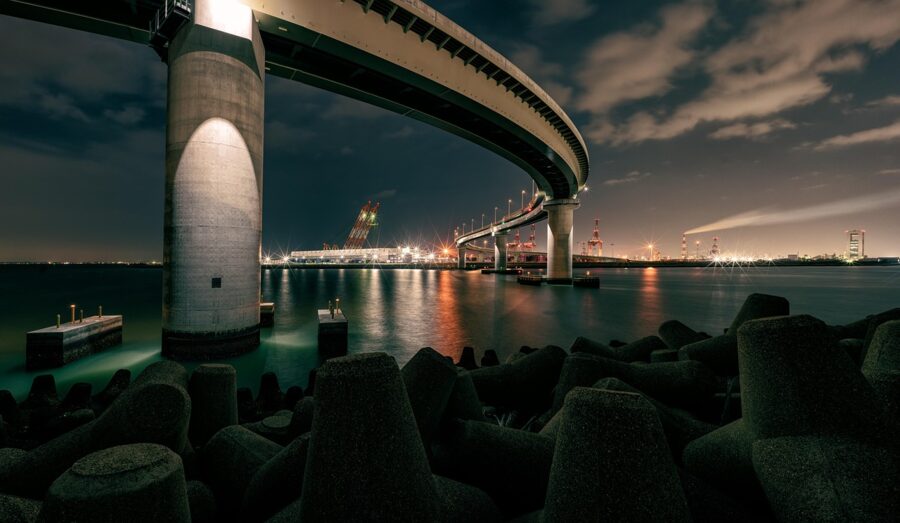
The weather follows the shape. Ise Bay is mild and fairly dry. The Kumano coast takes the full Pacific: Owase is one of the rainiest towns in Japan, and typhoons hit this shore in late summer and early autumn. Iga, in its basin, has hotter summers and colder winters than the coast.
Even the name comes from a long walk. In the Kojiki, the hero Yamato Takeru, limping home from his eastern campaign, stopped near present-day Yokkaichi and complained that his legs were folded in three (mie) like a twisted rice cake. The place kept the word, and the prefecture took it in the Meiji years.
Ise Jingu: the Outer Shrine first
Ise Jingu is not one shrine but 125. The two that matter on a first visit are Geku, the Outer Shrine, dedicated to Toyouke, deity of food, clothing and shelter, and Naiku, the Inner Shrine, dedicated to the sun goddess Amaterasu, from whom the imperial family traces its descent. They stand about six kilometres apart at opposite ends of Ise. The custom, which the shrine repeats, is Geku first.
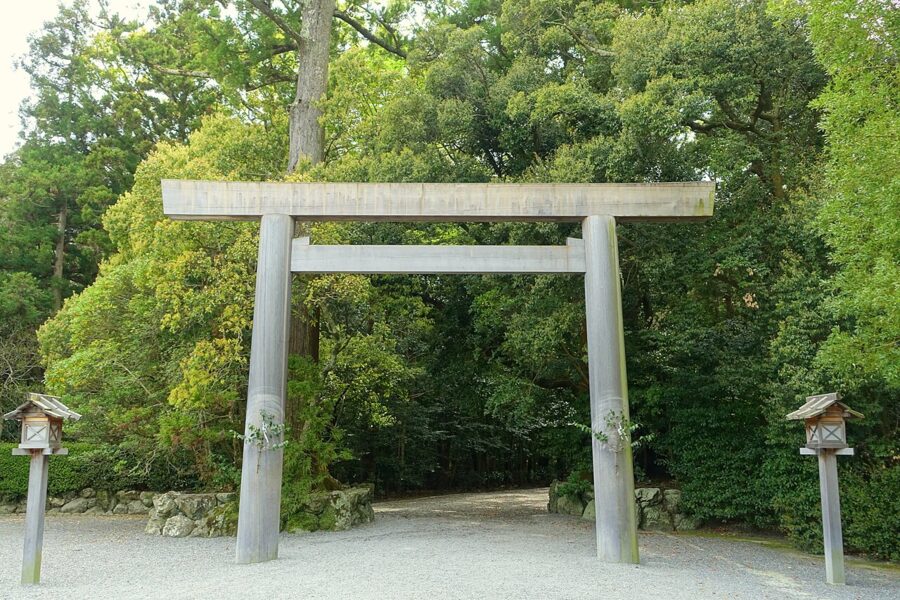
That is also the easy way round. Geku is five minutes’ walk from Iseshi Station, where Kintetsu and JR both stop, and about ten minutes from its entrance bridge to the main sanctuary. Most people skip it, so early on a weekday the gravel paths under the cedars can be almost empty.
Geku
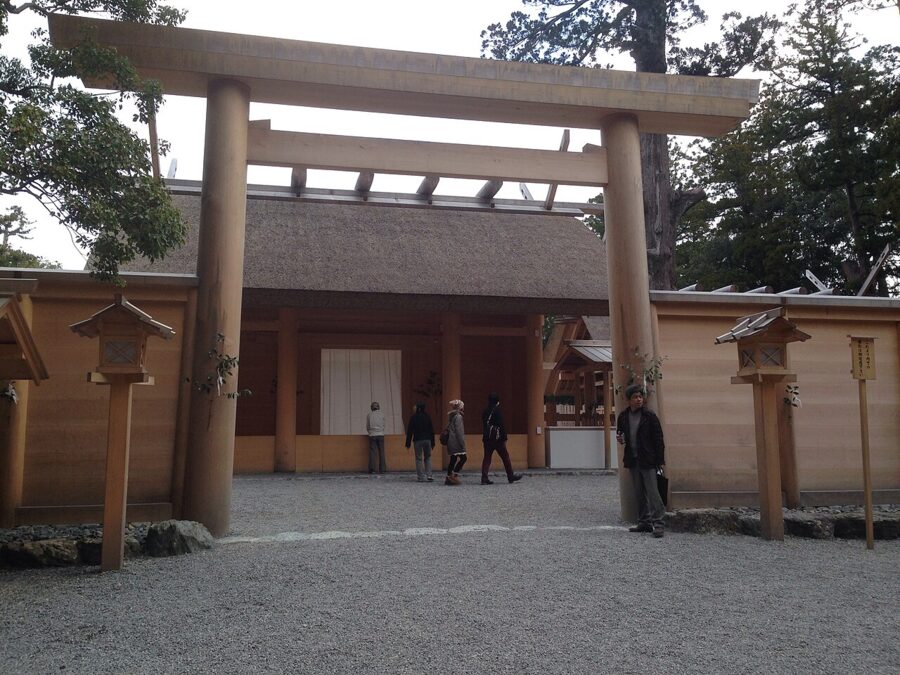
The sanctuary sits behind four layers of fence, and you see only the thatched roofs above them. That is the point: Shinto at Ise is about the enclosure, not a building you can enter. You stand at the outer gate, bow and move on.
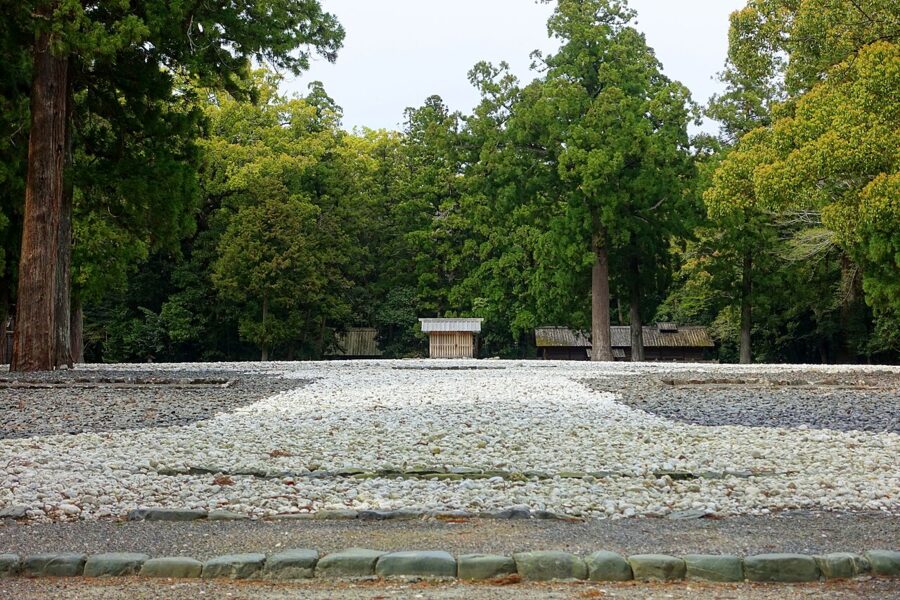
Beside the sanctuary is the most interesting thing at Ise: a level plot of pale gravel, exactly the size of the shrine, with nothing on it. Every twenty years the shrines move from one plot to the other, so there is always an empty one waiting.
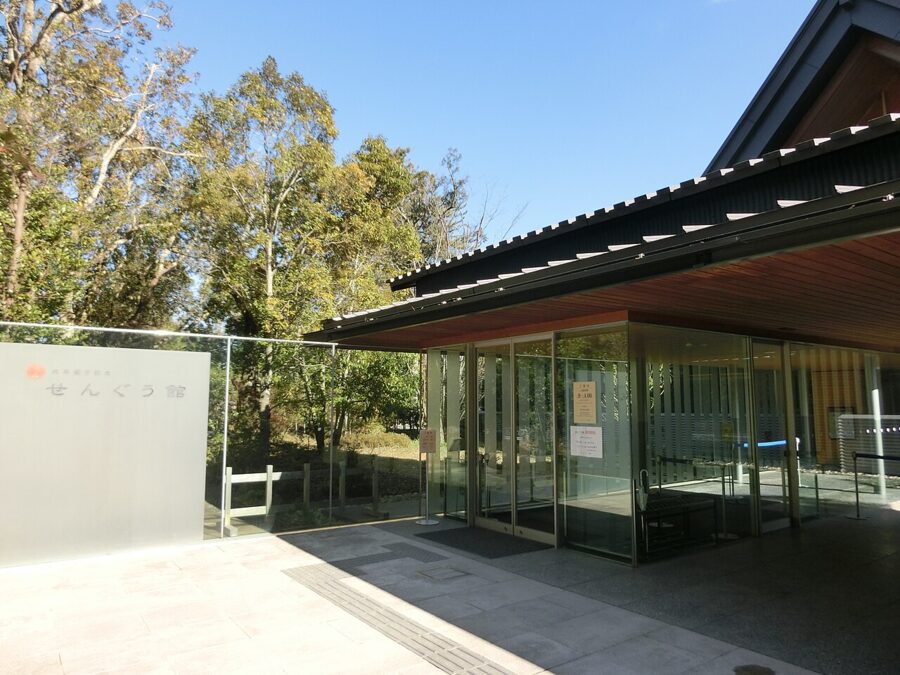
Across the road from the Geku entrance, the Sengukan museum explains the rebuilding with a full-size model of part of the Geku sanctuary. It opens 9:00 to 16:30 (last entry 16:00), closes on the second and fourth Tuesdays, and costs ¥300 (about £1.40 / $2), as of November 2026. See it before Geku, not after.
Naiku and the Uji Bridge
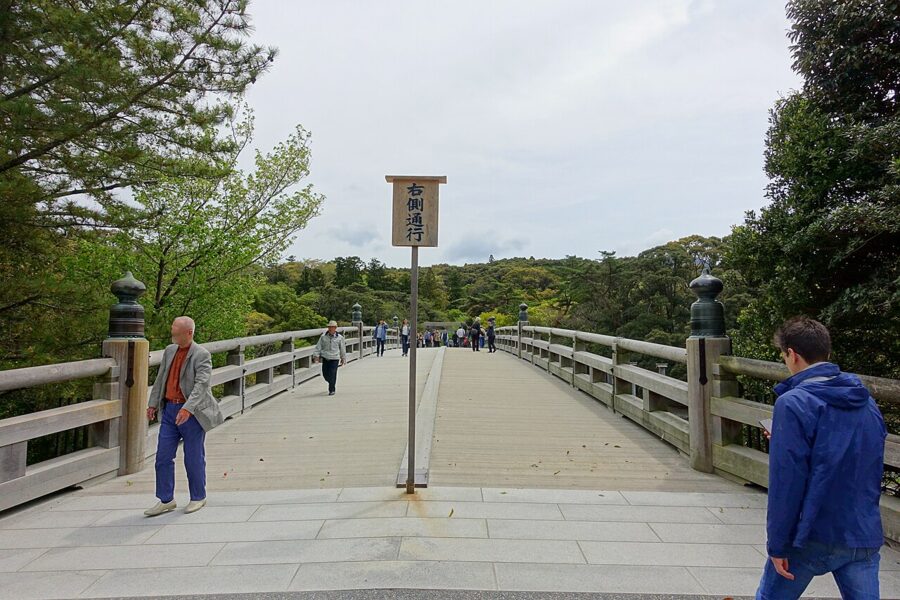
Mie Kotsu buses (routes 51 and 55, and the CAN bus loop) run from Geku to Naiku in about twenty minutes. Naiku is the bigger precinct and feels like a pilgrimage: you cross the Uji Bridge, walk through raked gravel and pines, then into forest. Allow twenty minutes from the bridge to the sanctuary, and longer at the river.
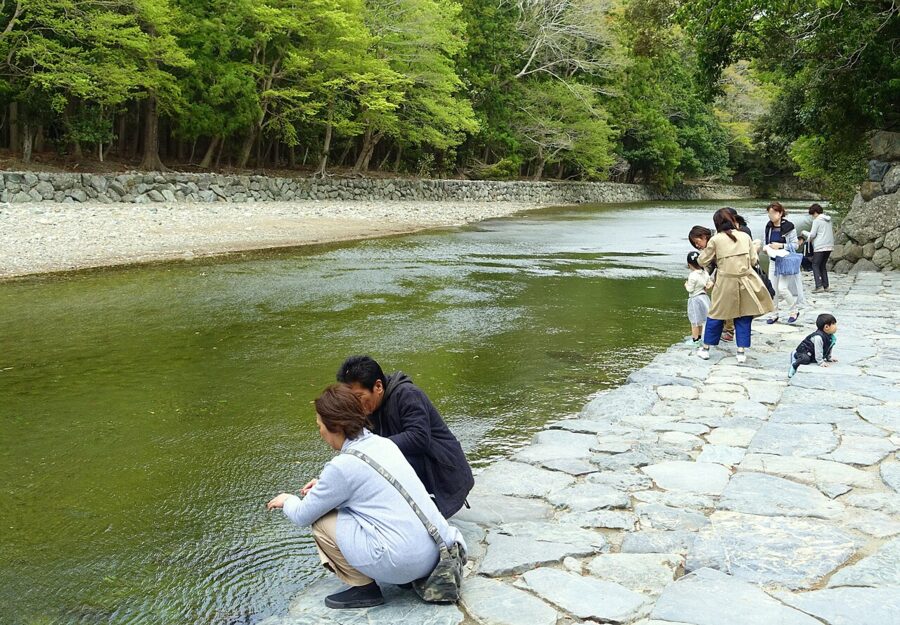
Below the path, stone steps lead down to the Isuzu, where people wash their hands in the current as pilgrims did before stone basins existed. The path then climbs through old cedars to the main sanctuary, where steps lead up to a white silk curtain in the outer gate. That curtain is as far as anyone goes.
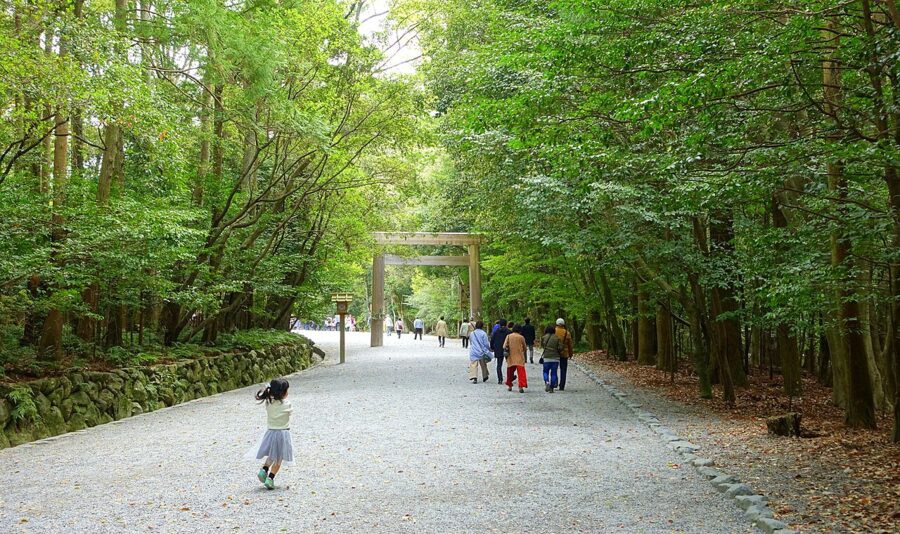
From late November to late January the sun rises through the torii at the near end of the Uji Bridge at about 7:30, and the shrine posts the dates each year. Autumn leaves along the river peak from late November into early December, and the cherries by the bridge bloom from late March.
Shikinen Sengu: building it all again
Every twenty years Ise Jingu builds new sanctuaries for both shrines and fourteen others on the neighbouring plots, remakes more than a thousand sacred objects and robes, and moves the deities across at night. The old timbers go to shrines around the country. Tradition dates the first rebuilding to 690, and apart from one long gap in the civil wars of the fifteenth and sixteenth centuries it has continued since; the 62nd was in 2013.

The 63rd is under way. The shrine’s schedule for the 63rd Sengu lists 33 ceremonies over eight years, from the timber rites of May 2025 to the move itself, the sengyo, in October 2033, with exact days set nearer the time. I think the reason is simple: a craft practised once a generation survives only if each generation does it.
Some of it is public before 2033 (as of November 2026):
| When | Event | What you see |
|---|---|---|
| May to July 2027 | Okihiki, second round | Residents haul new timber up the Isuzu into Naiku and on carts into Geku |
| November 2029 | Uji Bridge opening | First crossing of the new bridge, led by three-generation families |
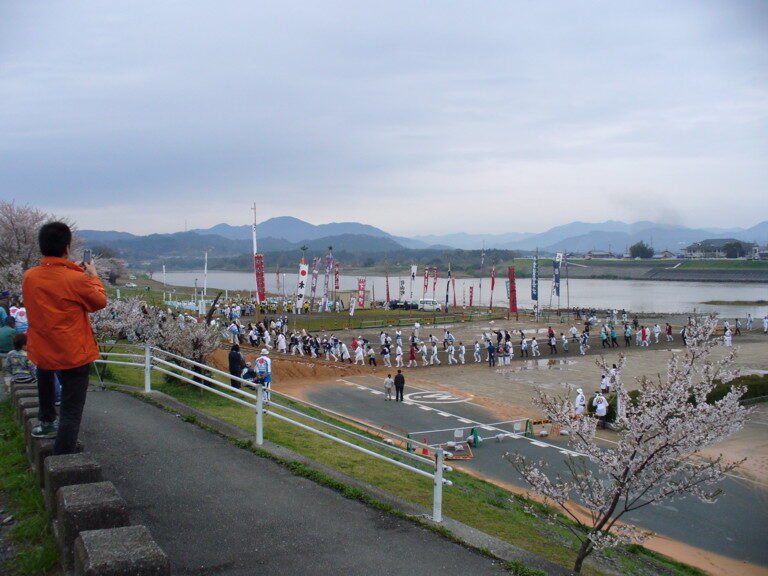
| July to August 2033 | Oshiraishi-mochi | Crowds carry white stones to lay around the new sanctuaries |
| October 2033 | Sengyo | The night move to the new Naiku sanctuary, Geku following |

Hours and manners
Entry is free and the gates open at 5:00 daily. Closing time moves with the seasons (the shrine’s visiting hours, as of November 2026; New Year differs):
| Months | Open |
|---|---|
| January to April, September | 5:00 to 18:00 |
| May to August | 5:00 to 19:00 |
| October to December | 5:00 to 17:00 |
The shrine’s guide to manners asks you to keep left at Geku and right at Naiku. At the basin, rinse the left hand, the right, then your mouth from your cupped palm, never from the ladle. At the sanctuary, bow twice, clap twice and bow once: the usual shrine manners, kept a little more strictly.
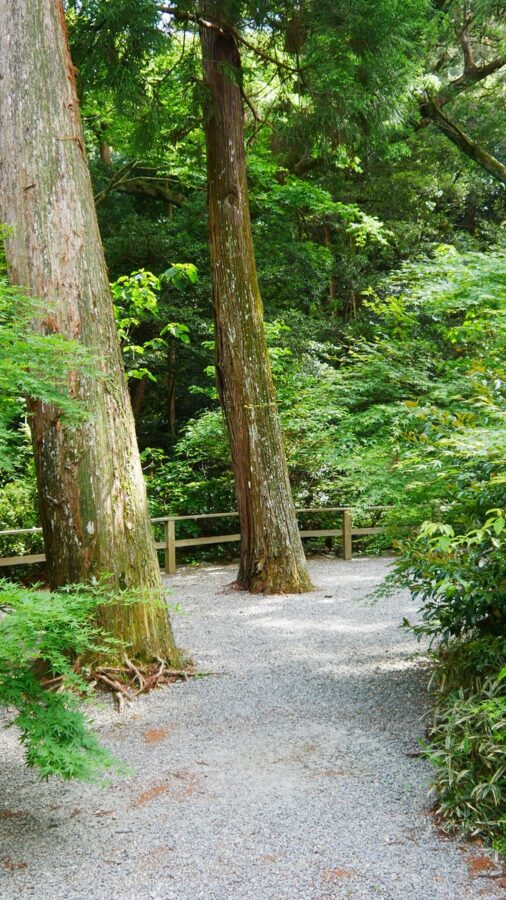
Photographs are fine on the paths but not where signs forbid them, as at the main sanctuaries; tripods, drones and live streaming are banned. Pets stay at the guard post, and Naiku’s guard post has the only lockers, at ¥300 to ¥500 (about £1.40 to £2 / $2 to $3). Amulets and goshuin stamps are sold 6:00 to 18:00, or to 17:00 from October to December.
Oharaimachi and Okage Yokocho
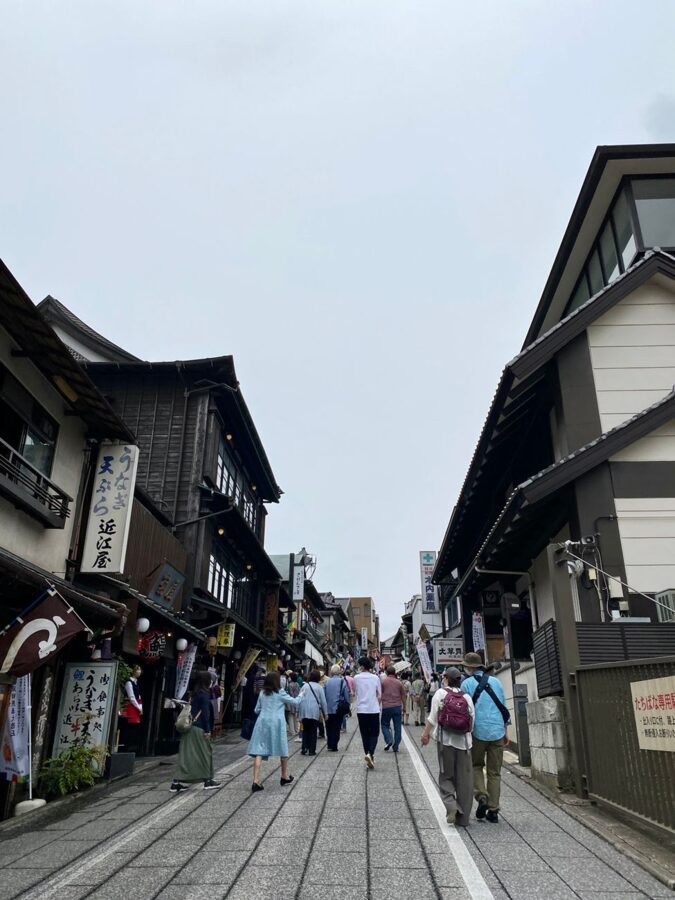
Outside the Uji Bridge, Oharaimachi runs north along the river for most of a kilometre. Over the last forty years it has been rebuilt in the Edo style of the inns that fed pilgrims, with dark timber fronts and tiled roofs. It is busy by eleven.
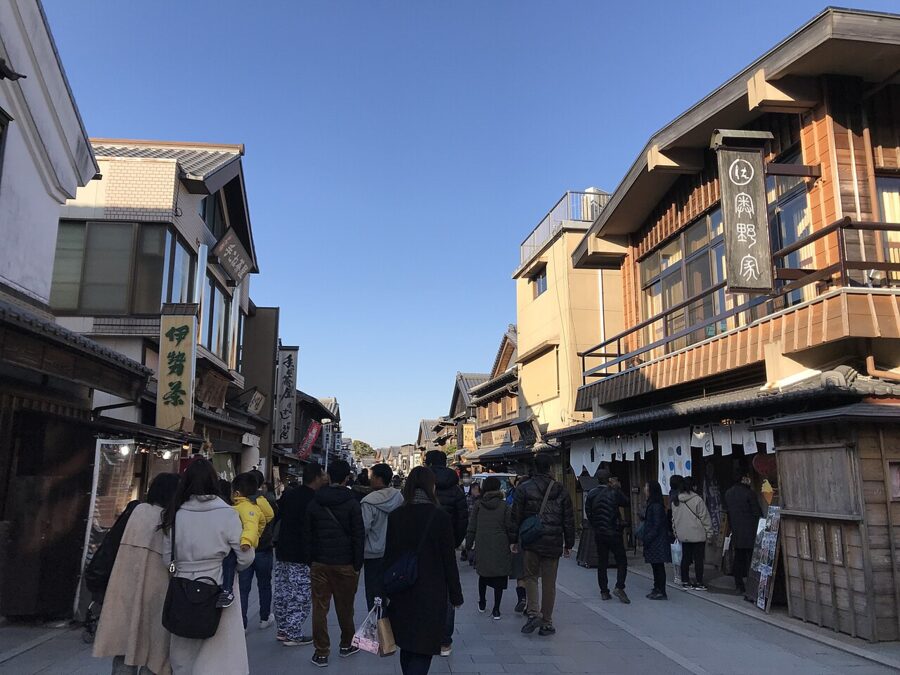

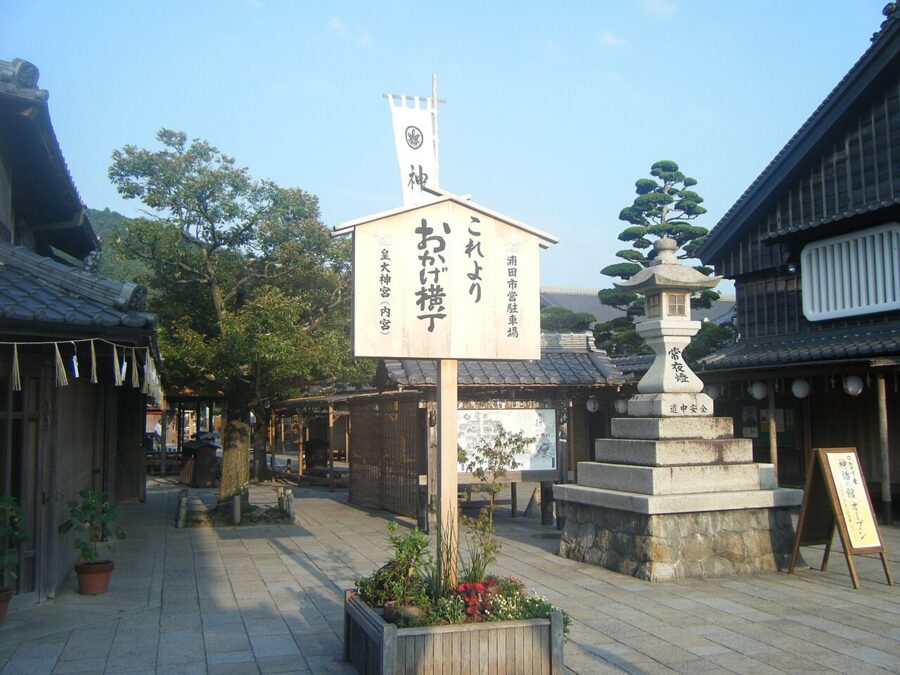
Halfway along, Okage Yokocho opened in 1993 as a block of lanes and teahouses. The name recalls the okage mairi, the mass pilgrimages of the Edo period, when several million people reached Ise in one fifty-day stretch and the town fed them out of gratitude. Okage Yokocho’s hours run from 9:30 to between 17:00 and 18:00 by month, as of November 2026, with an early market on the first of each month.
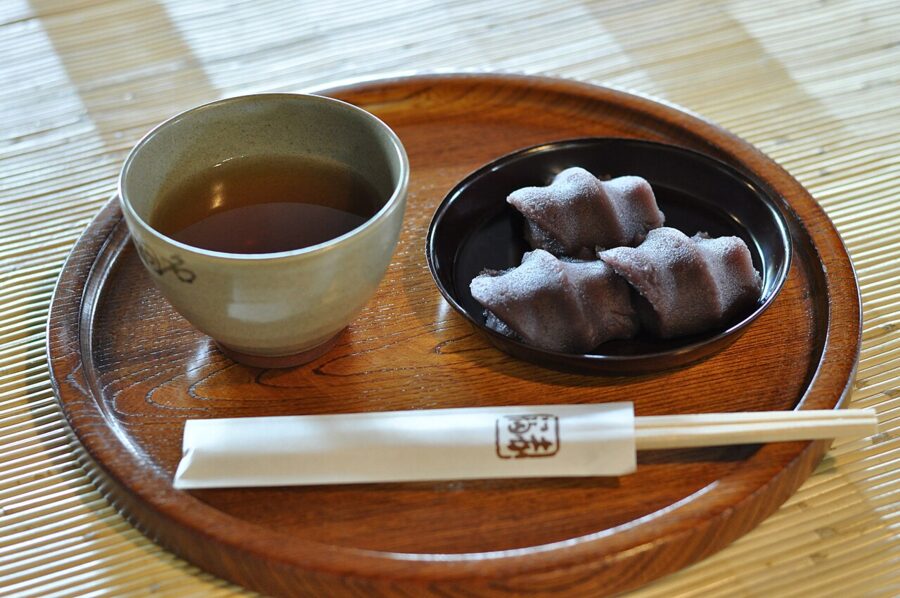
Everyone queues for Akafuku, which has sold the same thing since 1707: a rice cake under a ridge of red bean paste, pressed with three lines for the ripples of the Isuzu. The Akafuku main shop opens at 5:00 and closes at 17:00, so you can eat one before the crowds. On the first of each month except January it also serves a seasonal cake, and the queue starts in the dark.
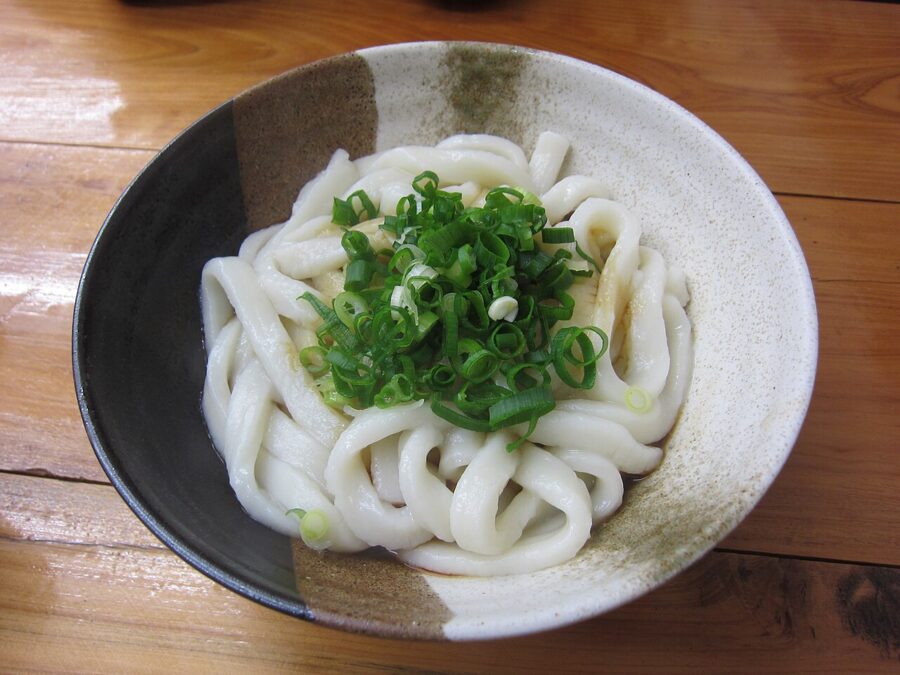
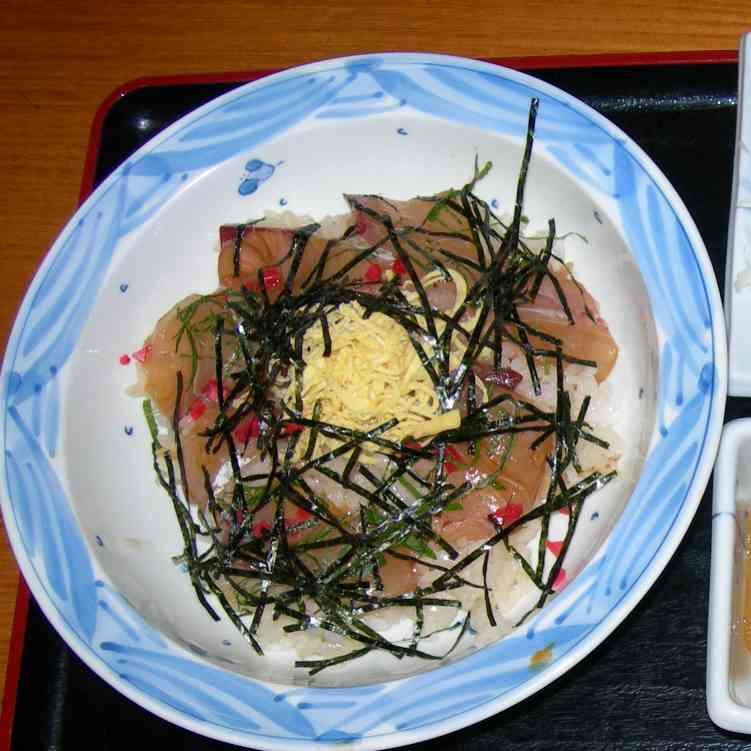
Two lunch dishes belong here. Ise udon is very thick, very soft noodles in a little dark, sweet sauce instead of broth, made, the story goes, for pilgrims in a hurry. Tekone-zushi, from the Shima fishing villages, is raw bonito or tuna marinated in soy and mixed into vinegared rice by hand.


Futami and the Wedded Rocks
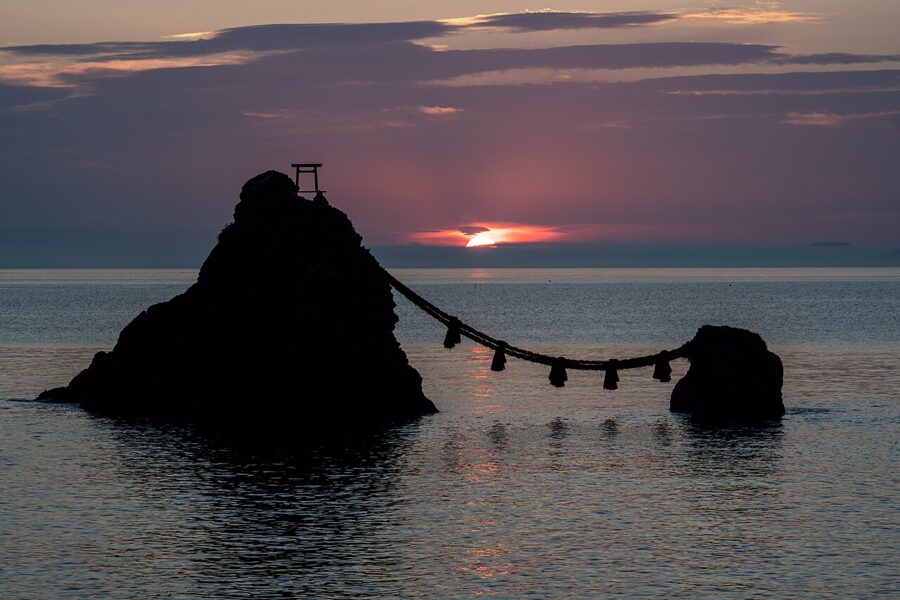
Pilgrims once purified themselves in the sea at Futami, on the coast north-east of Ise, before going to the shrines. Futami Okitama Shrine keeps the custom and looks out on Meoto Iwa, the Wedded Rocks: a tall rock and a small one in the surf, tied by a heavy straw rope. Together they form a torii, framing a sacred stone on the seabed about 700 metres out.
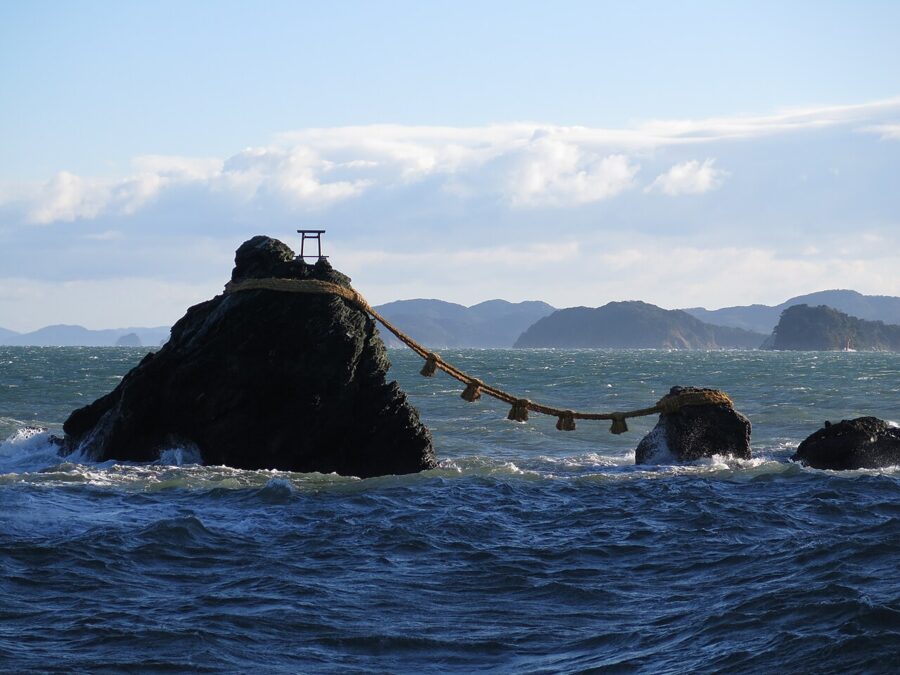

The famous photograph, sun between the rocks, is a summer picture. For about four months around the summer solstice the sun rises between them, and for a couple of weeks either side of it, on rare clear June mornings, from behind Mount Fuji some 200 kilometres away. The New Year calendar shots were taken in July.

Look for the frogs. Kaeru means both frog and to return, and the grounds are lined with frog figures left in thanks for getting home. The shrine is about twenty minutes’ walk from Futaminoura Station on the JR Sangu Line, ten minutes from Ise.
Toba: pearls and the ama
Toba is the harbour where the Ise plain meets the sea. On an island in its bay, in 1893, Kokichi Mikimoto produced the first cultured pearl after years of failure. That island is now Mikimoto Pearl Island, a footbridge and five minutes’ walk from Toba Station.
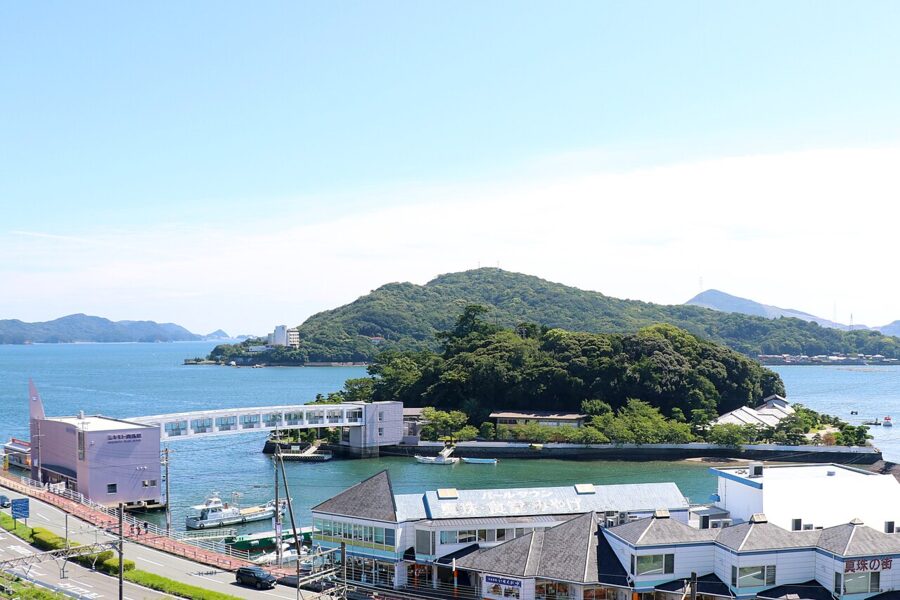

Admission is ¥1,650 (about £8 / $10), as of November 2026, with hours of roughly 9:00 to 17:00 by season and a three-day closure from the second Tuesday of December. The pearl museum is better than a company museum needs to be. The ama diving demonstrations are worth watching, but they are a show.
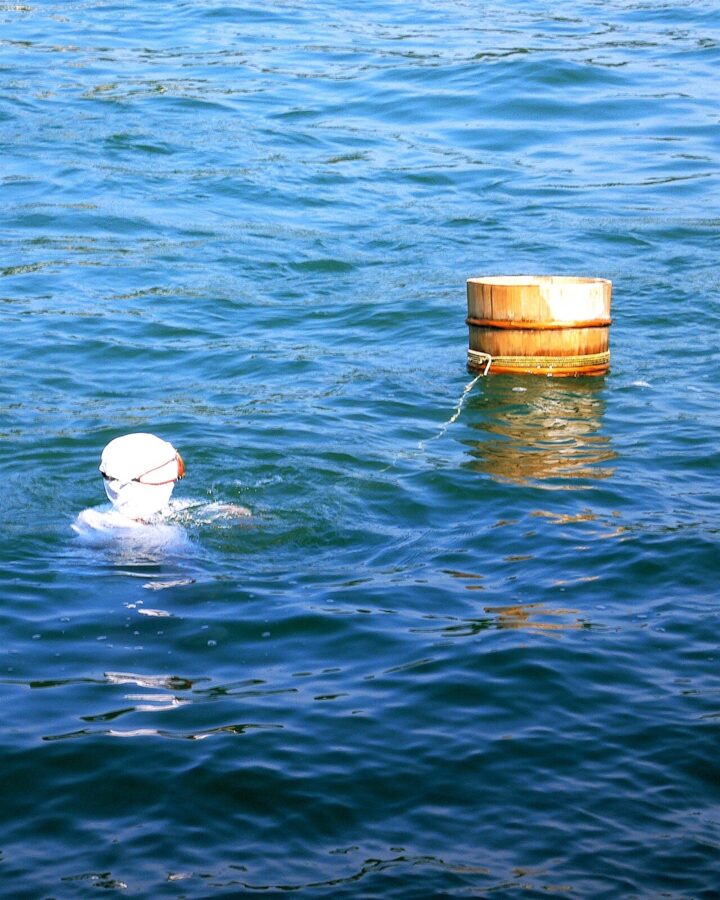

Toba Aquarium next door costs ¥2,800 (about £13 / $18) on the day, as of November 2026. It is a good rainy-day plan. If you must choose between it and the ama, choose the ama.
The ama divers
The ama of Toba and Shima are women who dive without tanks for abalone, turban shells, sea urchins and seaweed. Abalone shells and antler prising tools found at a site in Toba date back about three thousand years, and the divers still supply abalone to Ise Jingu.
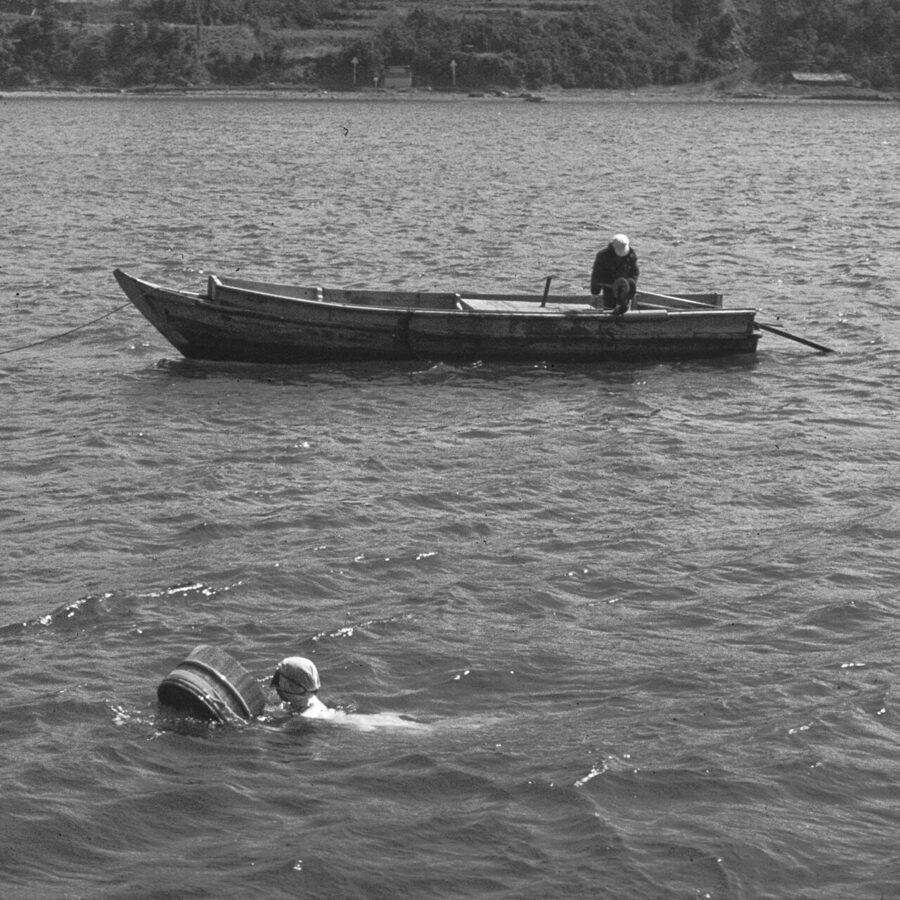

They are few and ageing now. The ama head-counts kept by the Toba Sea-Folk Museum show 6,109 divers in Toba and Shima in 1949, 973 in 2010 and 514 in 2022. The largest community, with 72, is Osatsu, a fishing village on the Toba coast, and the oldest divers in that survey were in their late eighties.
Osatsu is where I would go, 45 minutes from Toba Station on the Kamome bus. Ishigami-san, a stone in the village shrine where divers pray for safety, now draws women from all over Japan to leave a single wish. And at Osatsu Kamado, an ama hut, working divers grill shellfish over charcoal in front of you and talk about the job.
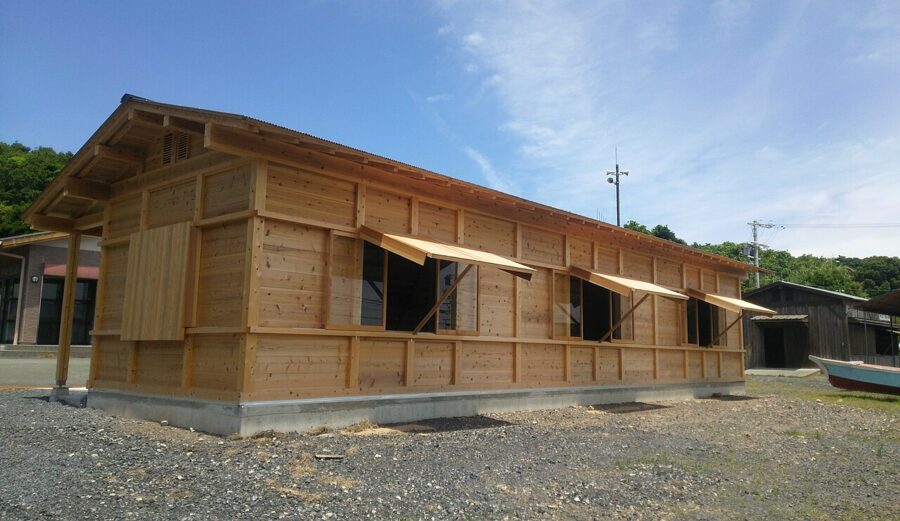

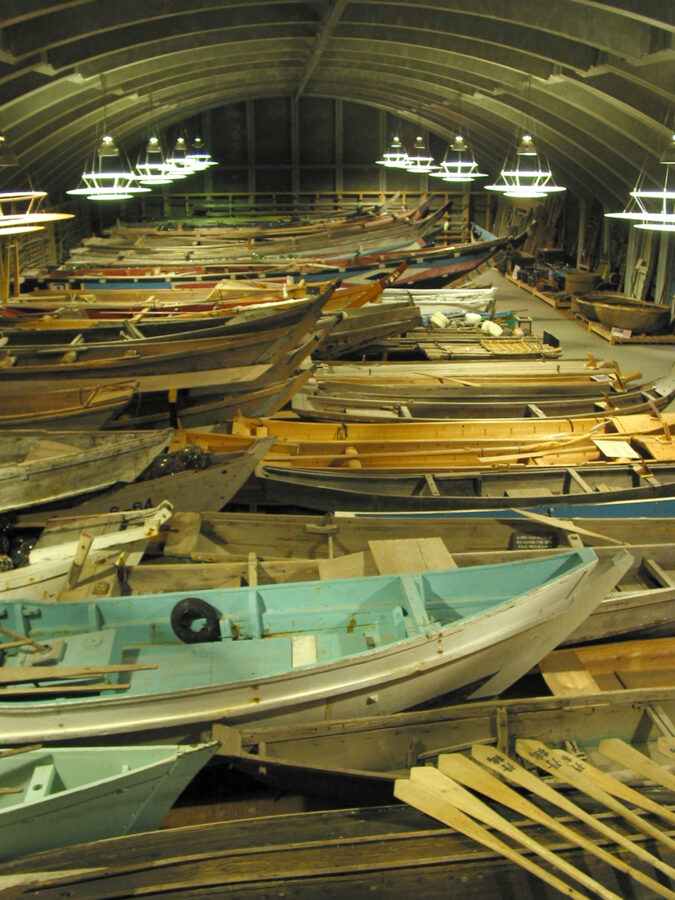
Lunch runs 11:30 to 13:30 and costs ¥4,500 (about £21 / $28) since April 2026, with lobster and abalone extra; book by 17:00 the day before. Then go to the Toba Sea-Folk Museum in Uramura, with about eighty wooden fishing boats and the fullest account of ama life anywhere. It costs ¥800 (about £4 / $5) and opens 9:00 to 17:00, or 16:30 from December to February, as of November 2026.

Ago Bay and the Shima Peninsula
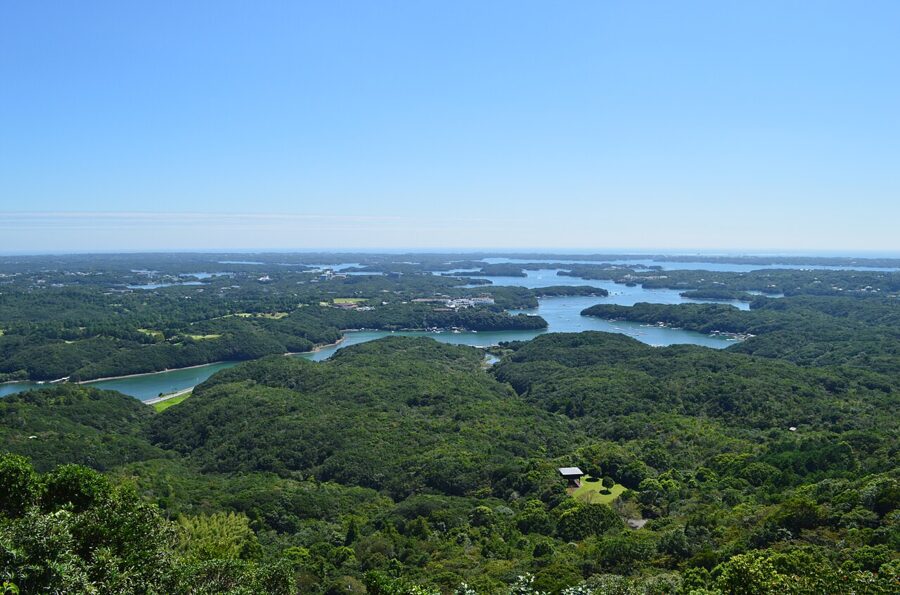
South of Toba the coast stops making sense. Ago Bay is a ria, river valleys drowned by the sea, and from above it looks like green land shattered with water poured between the pieces. It lies in Ise-Shima National Park, and pearl-farm rafts fill the sheltered water.
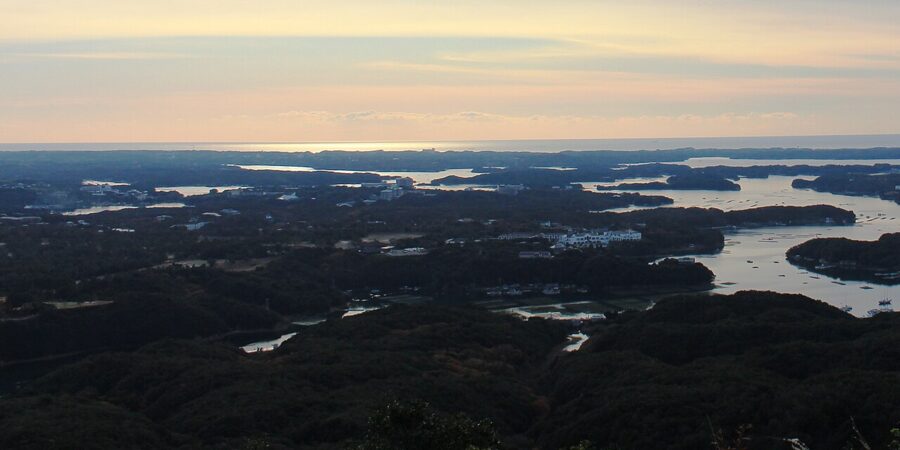

Kintetsu runs to Kashikojima, an island in the bay, and sightseeing boats tour the pearl rafts from its pier. The better view is from the Yokoyama viewpoint on the hill to the west, at sunrise. The boat is pleasant but repetitive after twenty minutes.
Eat what Shima is known for: Ago Bay oysters in winter, abalone and turban shells grilled in the shell, and spiny lobster, ise-ebi, expensive everywhere and worth it once. A night at a bayside ryokan with dinner included does all of it; the guide to Japanese hotels and inns explains half board.
Matsusaka, Suzuka and the north
Matsusaka (松阪), under half an hour north of Ise by train, was a merchant town; the Mitsui family came from here. Today it is known for beef, one of Japan’s three great wagyu alongside Kobe beef from Hyogo and Omi beef from Shiga.
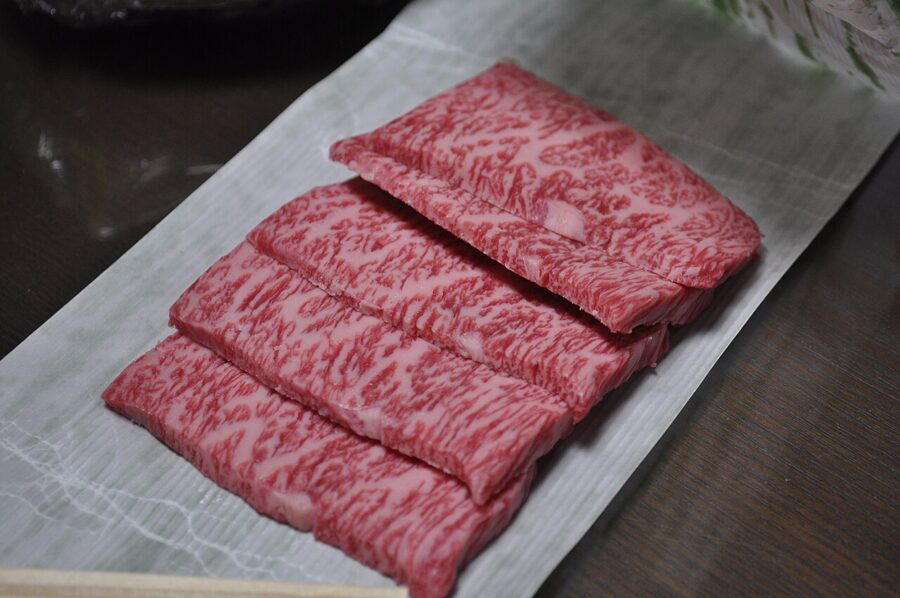

It is not a breed. Black wagyu heifers are bought in as calves from across Japan and fattened around Matsusaka, and since 2002 each animal has been registered and tracked. The reputation was made in the Meiji years by dealers who drove cattle to Tokyo on foot and by a butcher, Matsuda Kinbei, who paid farmers well for good animals; his restaurant, Wadakin, still serves sukiyaki. Lunch sets are the affordable way in, and smaller places may want cash (see money and practical information).
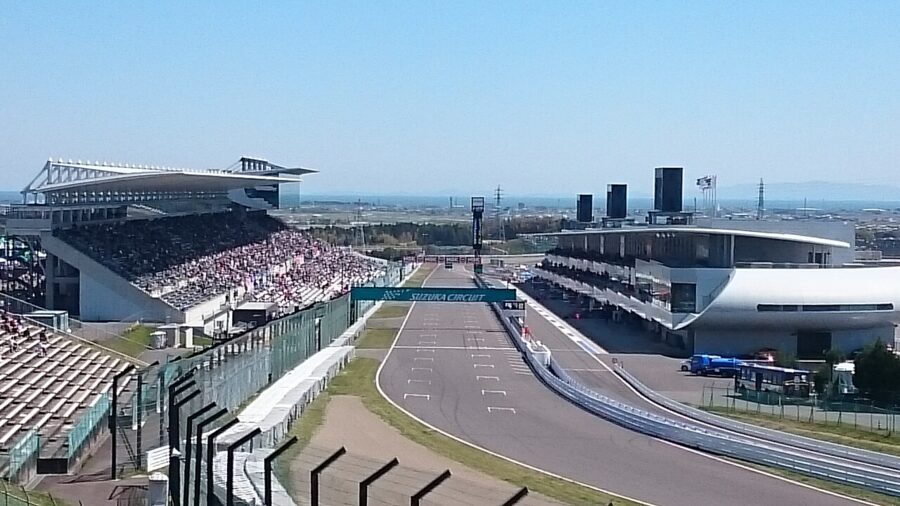

Suzuka Circuit hosts the Formula 1 Japanese Grand Prix, which in 2027 runs from 9 to 11 April with Japan’s first sprint race, according to the prefecture’s F1 visitor guide. Use the shuttle bus from Kintetsu Shiroko Station. The nearest station, Suzuka Circuit Ino, has short platforms, and the wait after the race can pass three hours.
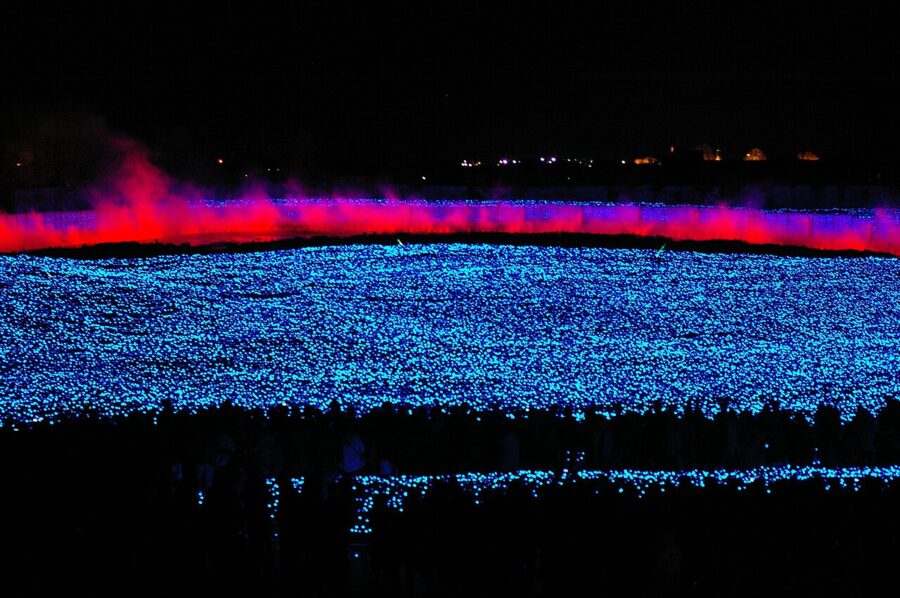
At the northern tip, on Nagashima island, Nabana no Sato becomes one of Japan’s largest light displays in winter. The 2026 to 2027 illumination runs from 17 October 2026 to 31 May 2027, with buses from Kintetsu Nagashima Station taking about ten minutes. Admission varies by period and is cheaper in advance, so check before you go, and go on a weekday.

Iga: ninja country
Iga sits in a basin beyond the Nunobiki hills. In the fifteenth and sixteenth centuries it was run by a league of local families rather than a lord, whose men hired themselves out as spies and raiders: the Iga ninja. Oda Nobunaga crushed the league in 1581, and the legend went everywhere.
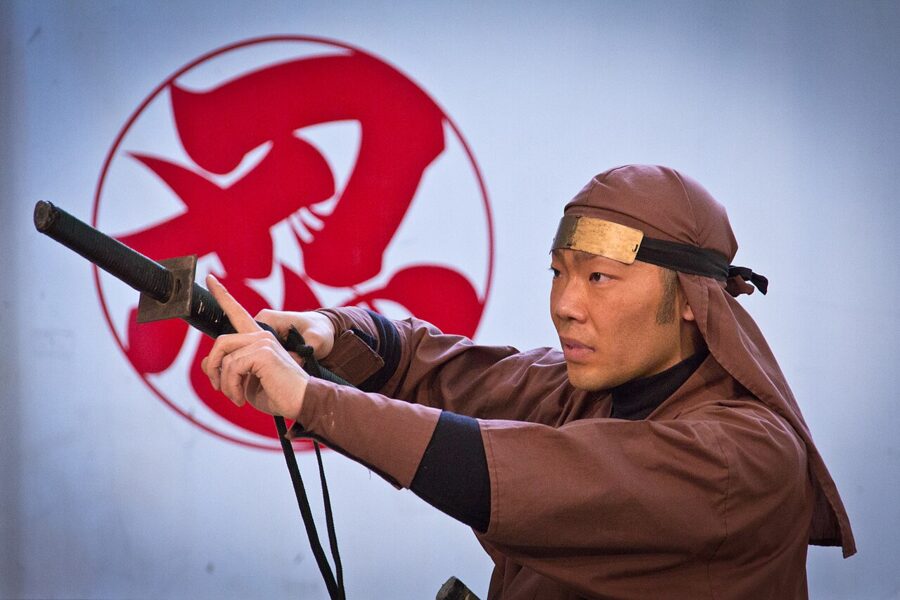

The Iga-ryu Ninja Museum in Ueno Park is better than it sounds: a farmhouse rebuilt with trick walls, hidden compartments and a trapdoor, demonstrated by a guide, then halls on tools and history. As of November 2026 it opens 10:00 to 16:00 on weekdays and to 16:30 at weekends, and closes 29 December to 1 January. Adults pay ¥1,000 (about £5 / $6), the show is ¥600 (about £3 / $4) more, and six throwing stars at a target cost ¥300.
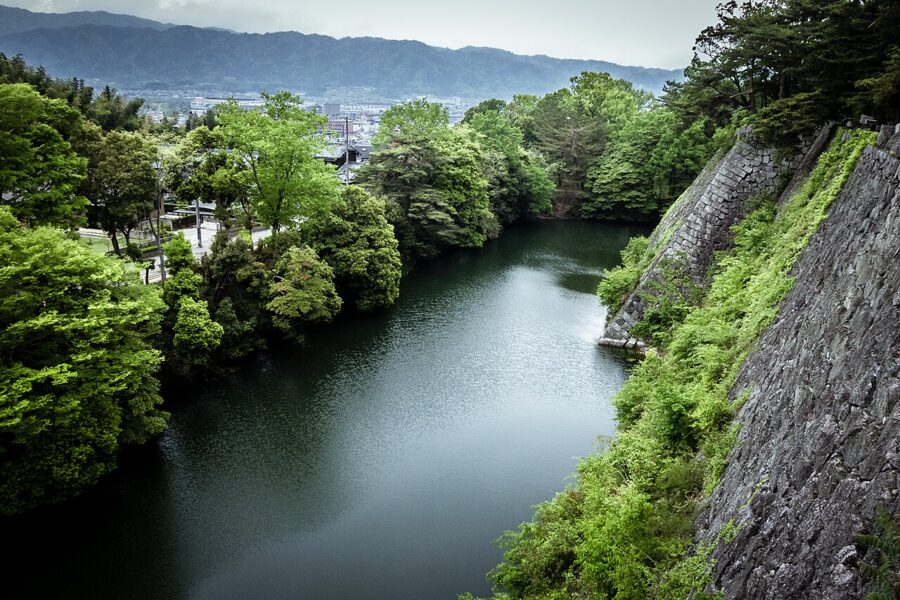
Above it, Iga Ueno Castle has stone walls about thirty metres high, built by Todo Takatora from 1611 when Tokugawa Ieyasu wanted a strongpoint against Osaka. The keep is a 1930s wooden reconstruction; the walls are real and among the tallest in Japan.

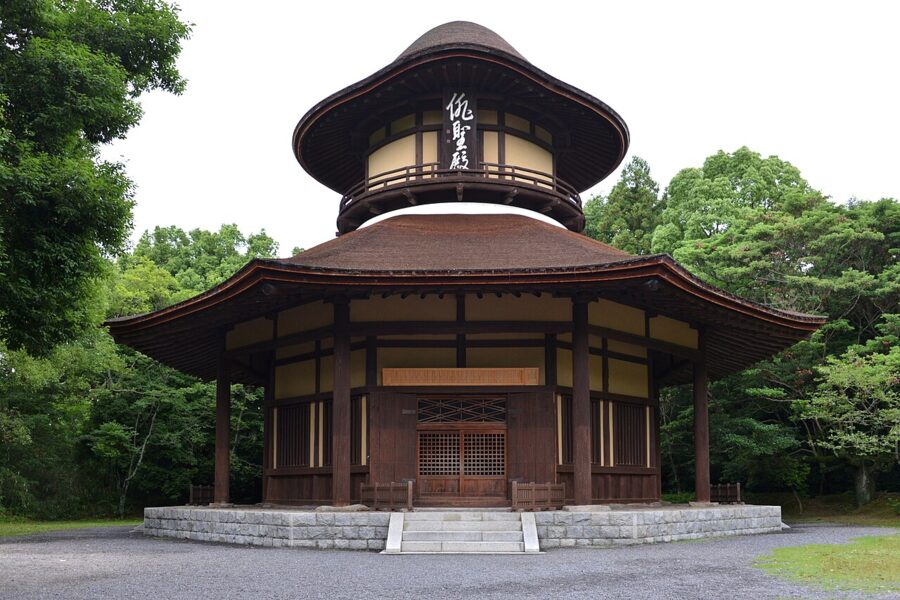
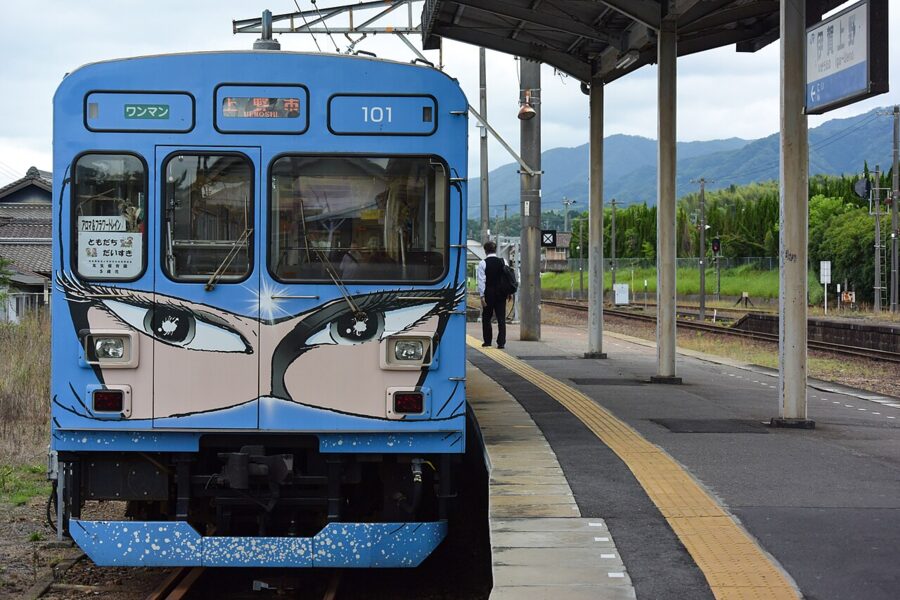
The poet Matsuo Basho was born here, and an octagonal hall in the park honours him. Take the Kintetsu Osaka Line to Iga-Kambe and change to the little Iga Railway for Uenoshi; Iga makes a natural stop between Ise and Nara or Osaka.


The Iseji: the Kumano Kodo from the Mie side
The pilgrim routes to the three Kumano shrines joined the World Heritage list in 2004 as part of the sacred sites of the Kii mountains. Most walkers take the Nakahechi in Wakayama. The Iseji, the route from Ise down the coast to Kumano, is far quieter.
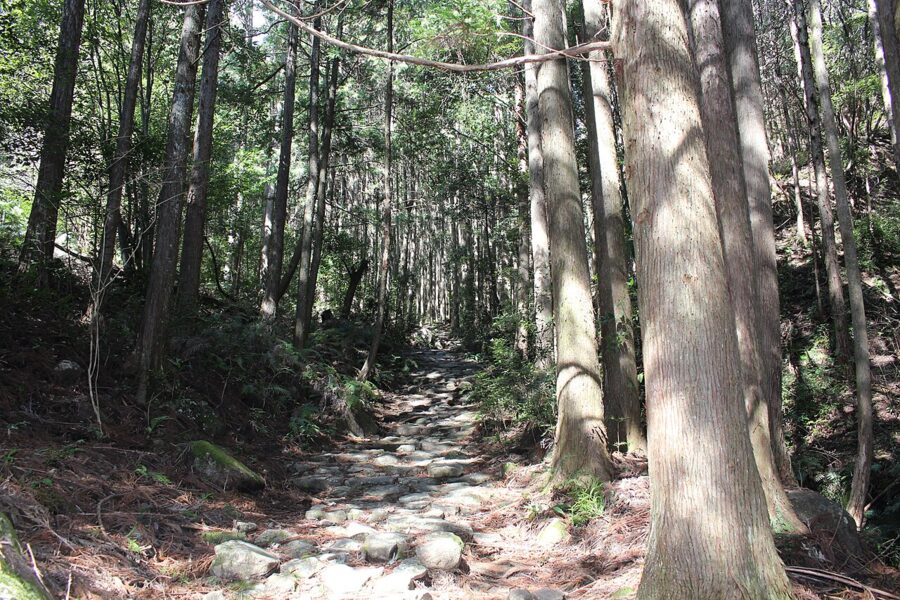

You need not walk all of it. The route is a string of passes between fishing towns, each a walk of two to four hours between stations on the JR Kisei Line. Start with two, both described in the Iseji route’s own guide:
- Magose Pass, near Owase: 5.2 kilometres, about three and a half hours from the Michi-no-Eki Miyama roadside station to JR Owase, over a 325-metre pass on superb stone paving.
- Matsumoto Pass, at Kumano: 4.1 kilometres, about two hours from Odomari Station to Kumanoshi, past a life-size stone Jizo at the top.
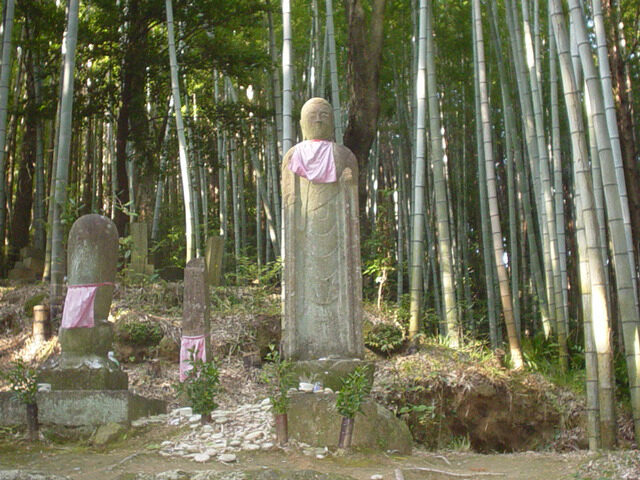

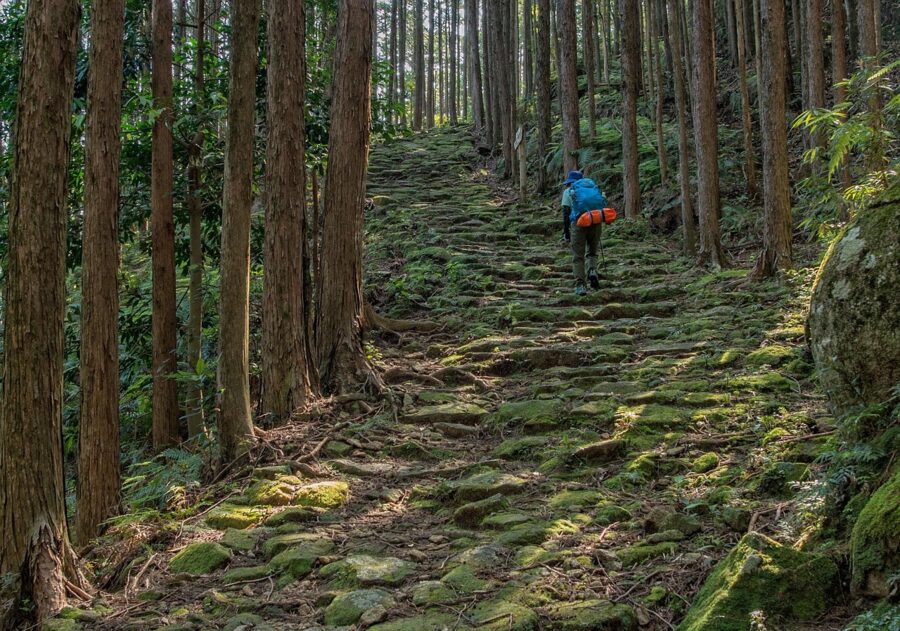
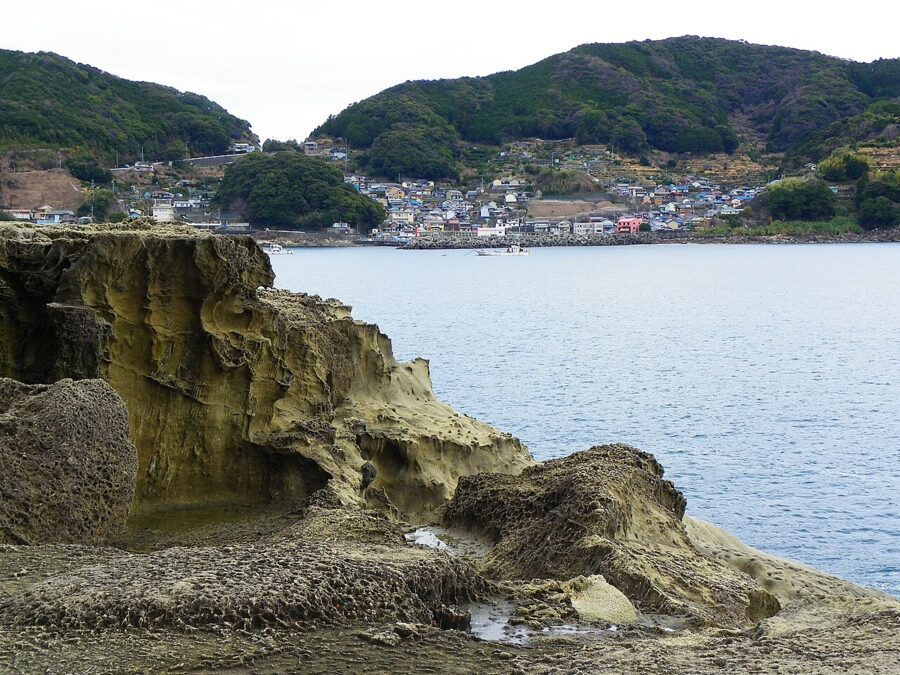
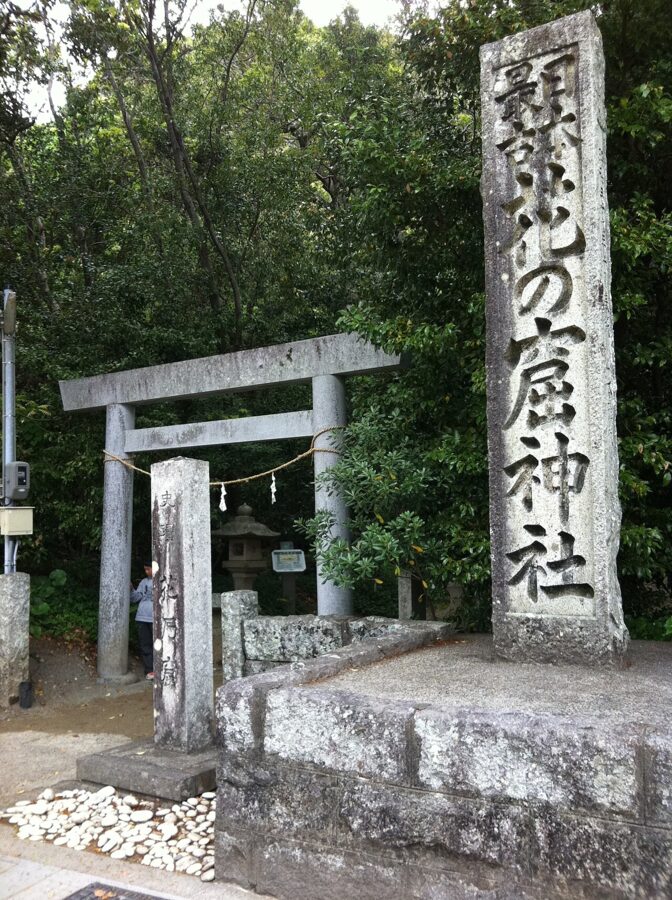
Ten minutes east of the Matsumoto Pass, the view opens over Shichiri-mihama. Below the pass, Onigajo is a cliff carved by the sea into caves and terraces. Just south of Kumanoshi, Hana-no-Iwaya shrine has no building at all: its object of worship is a rock face about 45 metres high, said in the old chronicles to be the grave of the goddess Izanami.


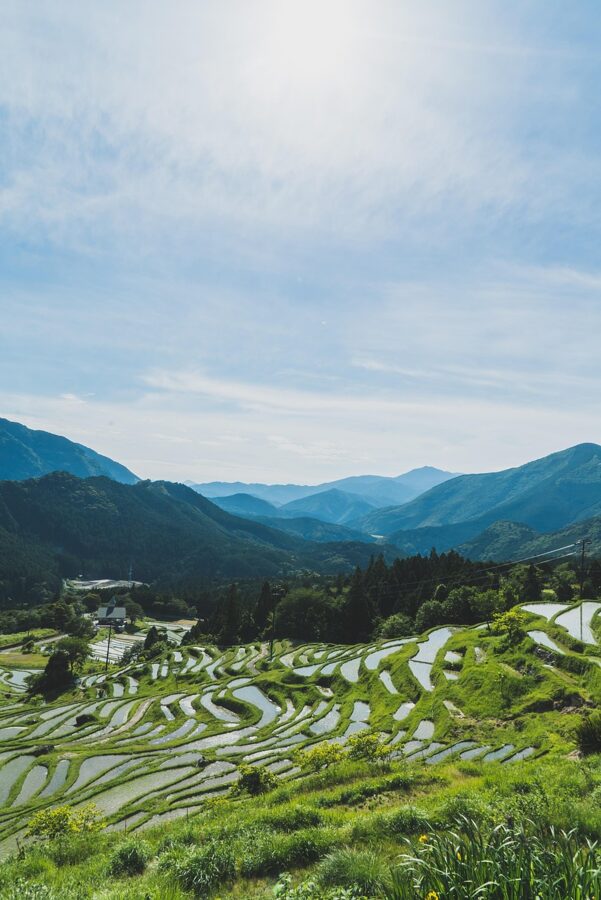
Inland, the rice terraces of Maruyama Senmaida climb a valley in narrow steps. There is no sensible bus, and this is where a car pays for itself; see renting a car in Japan.
Getting there and getting around
Mie has no shinkansen or airport of its own, and needs neither. Kintetsu limited expresses come in from three directions; the times below follow the Ise tourist office’s access page:
- From Osaka: Osaka-Namba to Iseshi in about 1 hour 45 minutes. Namba to Ujiyamada costs ¥3,510 (about £17 / $22) one way with a reserved seat, as of September 2026.
- From Nagoya: about 1 hour 20 minutes to Iseshi by Kintetsu or the JR Rapid Mie. The JR train crosses a short private stretch between Kawarada and Tsu that the Japan Rail Pass does not cover, so pass holders pay a little extra.
- From Kyoto: direct Kintetsu limited expresses to Ise and Kashikojima.
- From Tokyo: shinkansen to Nagoya in about 1 hour 40 minutes, then change. Nagoya’s Chubu Centrair is the nearest international airport (see flights to Japan).
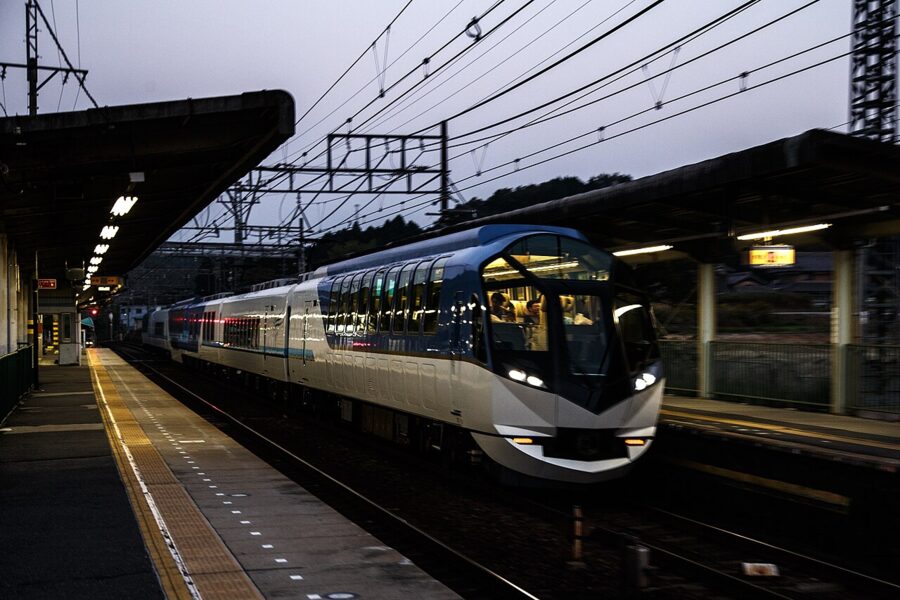

The Shimakaze sightseeing express makes one round trip a day from each of Osaka-Namba, Kyoto and Kintetsu-Nagoya to Kashikojima. For several days on Kintetsu, the Kintetsu Rail Pass 5day costs ¥4,900 (about £23 / $31) for five consecutive days on all Kintetsu lines and the Iga Railway; limited express charges are extra.
Around Ise-Shima, Mie Kotsu buses link Iseshi Station, the two shrines and Oharaimachi, Kintetsu continues to Toba and Kashikojima, and Kamome buses run from Toba to the fishing villages. Further south, the JR Limited Express Nanki takes roughly two and a half hours from Nagoya to Owase and three to Kumanoshi (per the Iseji access guide), but trains are few.
How many days, and in what order
Two days covers Geku, the Sengukan and Oharaimachi, a night in Ise or Futami, then Naiku at opening time and Toba. Three adds Osatsu or a night on Ago Bay. Five, with a car for the last two, takes you down to Owase and Kumano, over a pass or two, and on into Wakayama.
The order matters more than the number. From Osaka, enter through Iga for the ninja and the castle walls, then carry on by Kintetsu to Ise. From Nagoya, stop in Matsusaka for lunch on the way down. Leave south by the Kisei Line, or go back to Kyoto on a direct Kintetsu train.
Avoid early January, when millions come to Ise for the first shrine visit of the year, and Golden Week in early May. June is wet everywhere and very wet in Owase, though it is the month for the Futami sunrise. October and November are best: cool walking weather, autumn colour by the Isuzu, and the Kumano coast at its clearest.
The pilgrims who walked the Ise road went home with a paper charm and the memory of a long walk, and many came back. Twenty years from now the sanctuaries will have moved one plot over, and the empty gravel will lie beside the other set.